A species
Peacock mantis shrimp
Odontodactylus scyllarus
A shell-cracking punch and eyes tuned to unusual light.
You and the peacock mantis shrimp meet in the Two-sided animals branch, shown at about 580 million years ago (on 11 November, in a calendar from life's shared ancestor to today).
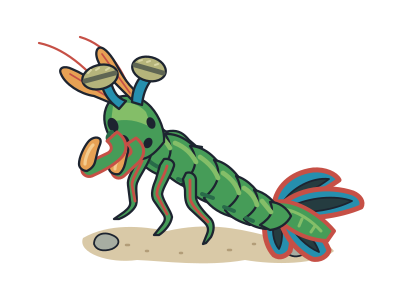
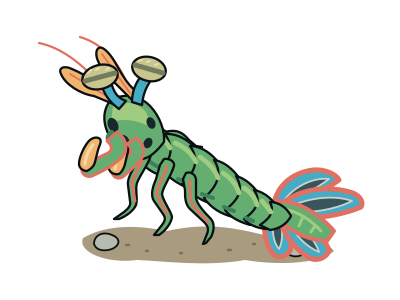
The peacock mantis shrimp throws one of nature’s fastest punches, and its eyes detect ultraviolet and polarised light. Yet this striking animal is not a true shrimp. It belongs to a separate branch of the crustacean family, making familiar prawns and shrimps more distant relatives. Its folded hunting limbs resemble a praying mantis’s front legs, giving it the other part of its name.
Its thickened striking limbs work like clubs, opening hard-shelled prey such as crabs and sea snails. A saddle-shaped spring in its outer skeleton stores energy, then releases it into the punch. Recorded peak club speeds reach about 50–80 kilometres per hour. This is a specialised shell-smashing tool: not all mantis shrimps have club-shaped striking limbs.
Its eyes contain cells that detect ultraviolet light, including the direction in which those light waves vibrate. This property is called polarisation; it is not an extra colour. This unusual hunter lives in warm parts of the Indian and Pacific Oceans.
Two separate views
Its two large eyes move independently, so they need not look in the same direction.
A tail shield
Its thickened tail fan serves as a shield during disputes over burrows, territory or mates.
Ideas for protective gear
Its impact-resistant club has inspired research into protective materials, including sports equipment and body armour.
Next to it on the tree
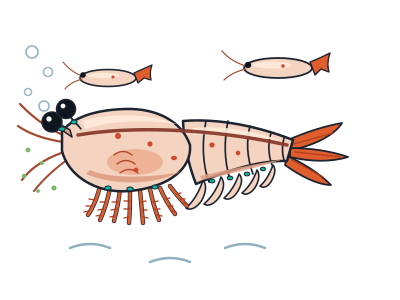
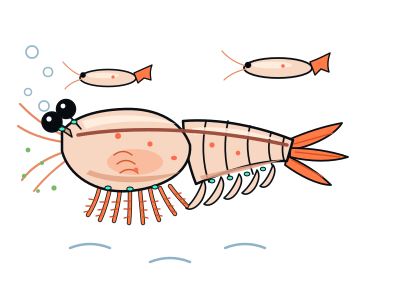
- Antarctic krillFinger-length shrimp-like animals that together outweigh almost any other wild animal and feed the great whales.
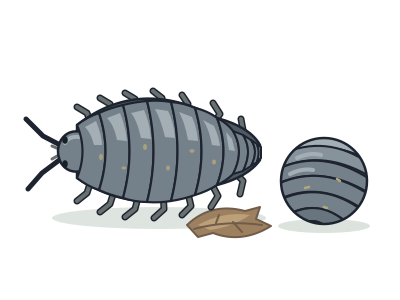
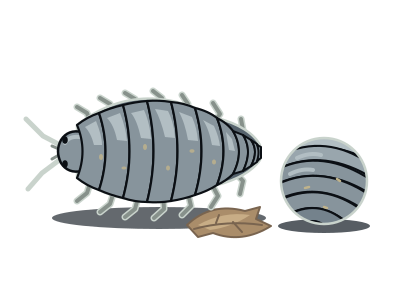
- Pill woodlouseA garden crustacean that rolls into a ball and still breathes through gill-like plates.
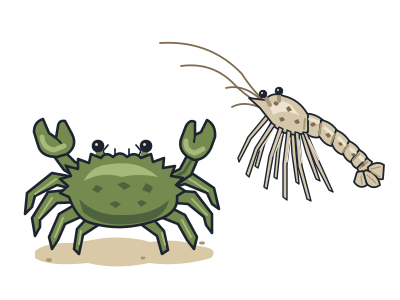
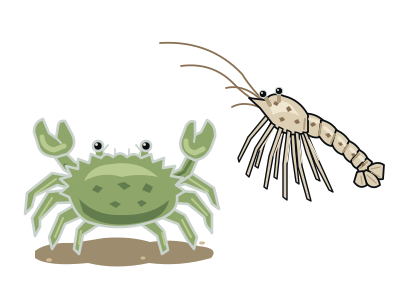
- Crabs, lobsters and shrimpTen-legged crustaceans; the crab shape evolved at least five separate times.
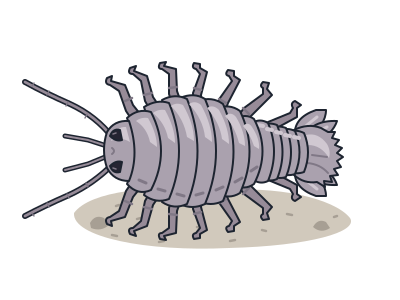
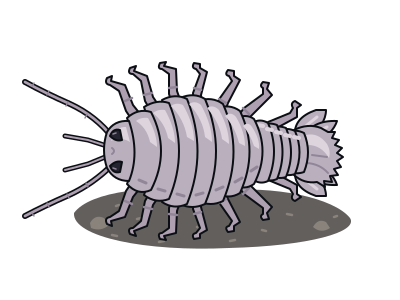
- Giant isopodA deep-sea woodlouse relative as big as a shoe that can go years without eating.
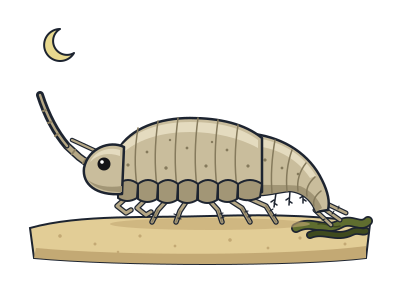
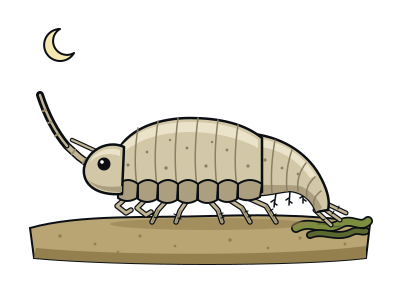
- SandhopperThe tiny jumping crustacean of beaches that steers home by the sun and moon.