A group of living things
Polypod ferns
Polypodiales
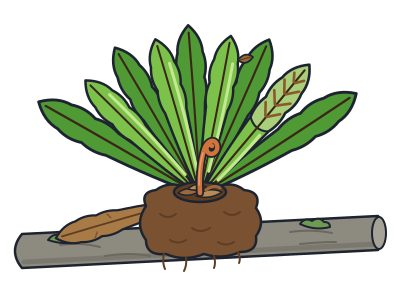
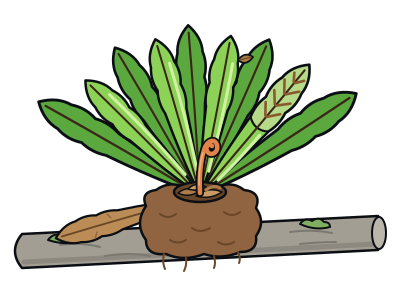
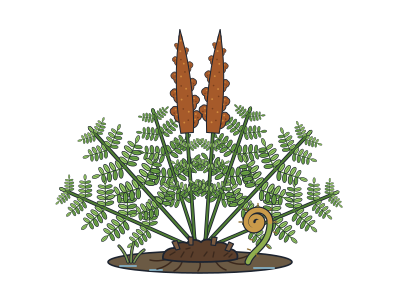
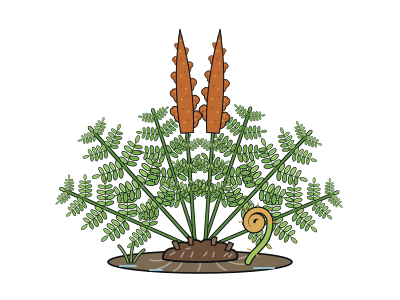
Most garden, woodland and house ferns, which boomed in the shade of flowering-plant forests.
This branch is shown at about 190 million years ago; its age is a rough estimate.
You and polypod ferns meet in the Eukaryotes branch, shown at about 1.8 billion years ago (on 28 July, in a calendar from life's shared ancestor to today).
EukaryotesAmoebas, fungi and animalsFungi and animalsAnimals and their single-celled cousinsAnimalsTwo-sided animalsStarfish, sea squirts and usChordatesVertebratesJawed vertebratesBony fish and their descendantsLobe-finned fishFish on the way to landFour-limbed animalsAmniotesMammals and their ancestorsMammalsLive-bearing mammalsPlacental mammalsPrimates, rodents and rabbitsPrimatesApesGreat apesHumans and chimpanzeesHumanPlants and red algaeGreen plantsLand plants and their algal kinLand plantsVascular plantsFerns and seed plantsFerns and horsetailsTypical fernsPolypod ferns
Most garden, woodland and house ferns, which boomed in the shade of flowering-plant forests.
The full page for Polypod ferns is still being written and drawn.
Inside polypod ferns
- Bracken fernSpreads by spores, not seeds; one of the most widespread plants on Earth.
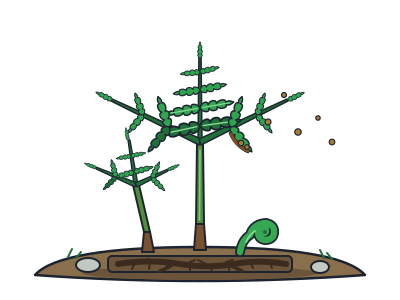
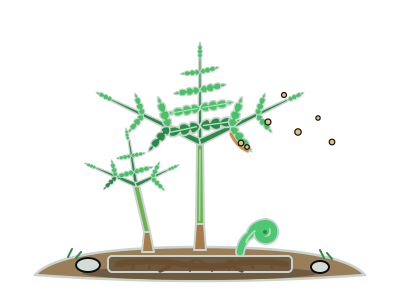
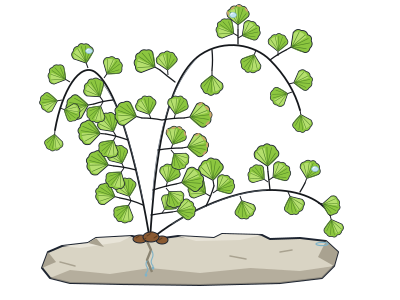
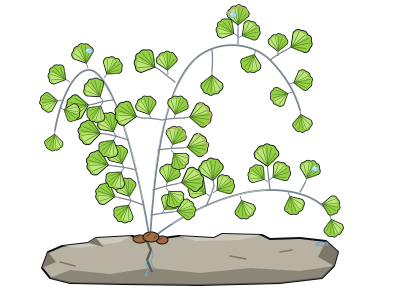
- Maidenhair fernDelicate fan-shaped leaflets on black wiry stems that shed water like wax.
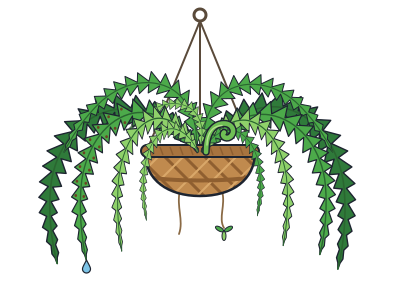
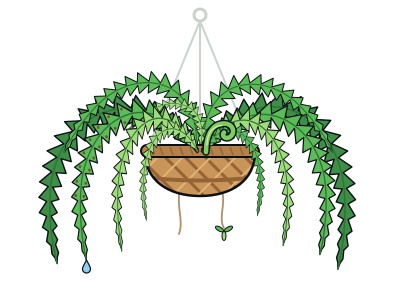
- Boston fernThe arching fern in hanging baskets, a parlour favourite since Victorian times.
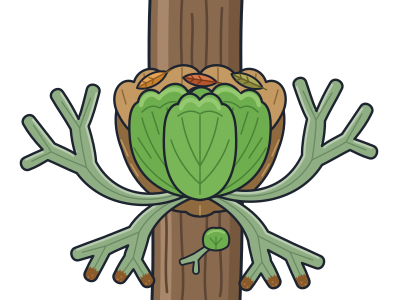
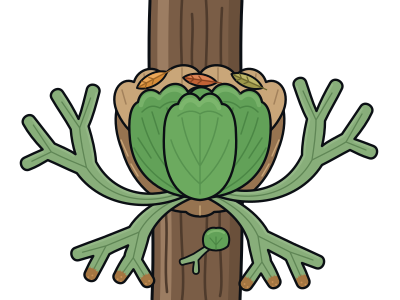
- Staghorn fernGrows on tree trunks, with antler-shaped fronds and a shield that catches falling leaves.
- Bird's-nest fernA rosette of glossy undivided fronds high in rainforest trees that collects its own compost.