A species
Boston fern
Nephrolepis exaltata
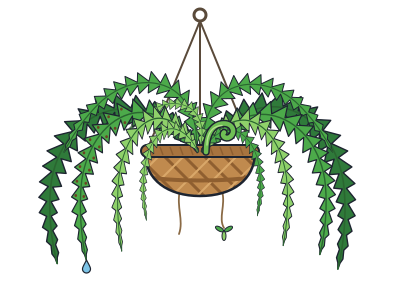
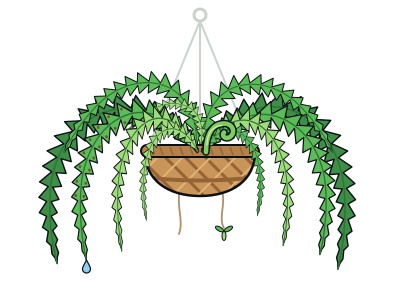
The arching fern in hanging baskets, a parlour favourite since Victorian times.
You and the boston fern meet in the Eukaryotes branch, shown at about 1.8 billion years ago (on 28 July, in a calendar from life's shared ancestor to today).
Picture a fern spilling out of a hanging basket, its long fronds arching like a green fountain. It is very likely a Boston fern. Ferns were hugely fashionable in Victorian times. From the 1850s until 1901, a 'fern craze' spread on both sides of the Atlantic. Many homes had a potted fern, and wealthier families kept rare ones under glass in the parlour window.
The Boston fern is a garden form of a wild plant called the sword fern. It turned up by chance in 1894, in a large shipment of sword ferns sent from a grower in Philadelphia to a seller in Boston. Wild sword ferns hold their fronds fairly upright. Because of a natural change called a mutation, this one grew graceful arching fronds instead, which made it perfect for baskets. Many other varieties later arose from it.
In the wild, the sword fern lives in warm, humid forests and swamps, from Florida and the West Indies to Mexico, Central America and northern South America. It can grow in the ground or perch on tree trunks and branches.
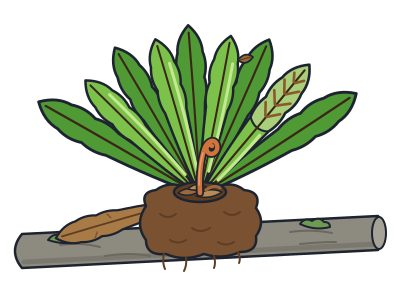
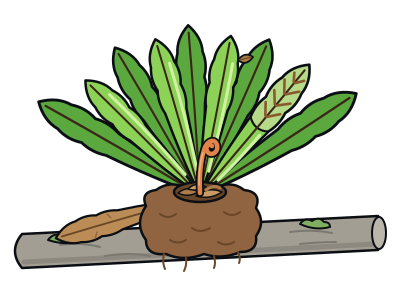
On the tree of life, it sits among the polypod ferns. It may be surprising that it is a closer relative of the staghorn fern than of the bird's-nest fern, even though all three look quite different.
Already a star
Even before the Boston form appeared, the wild sword fern was a popular houseplant in the USA and Europe in the mid to late 1800s.
Grown from runners
Growers usually make new Boston ferns by dividing off rooted runners, the thin strings that creep from the base, rather than growing them from spores.
Unwelcome abroad
In South Africa, the Boston fern is classed as an invasive alien plant.
Next to it on the tree
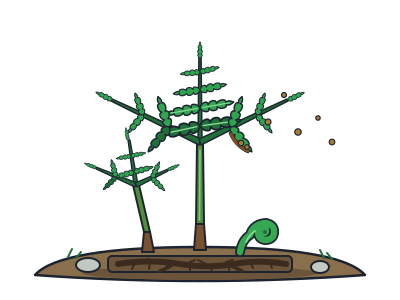
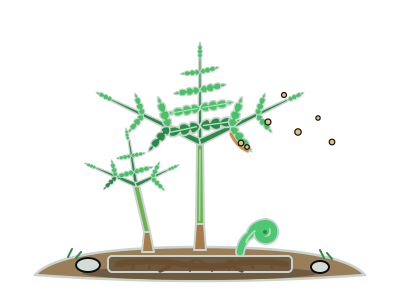
- Bracken fernSpreads by spores, not seeds; one of the most widespread plants on Earth.
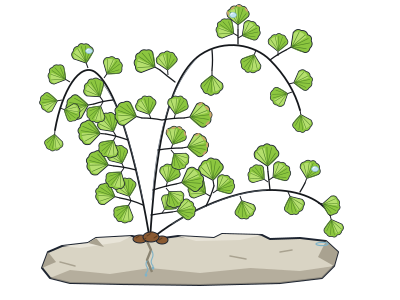
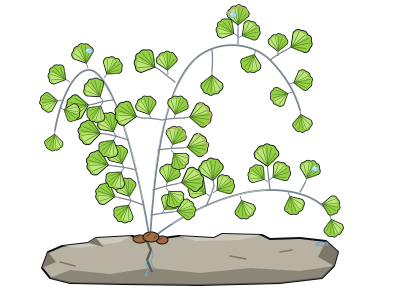
- Maidenhair fernDelicate fan-shaped leaflets on black wiry stems that shed water like wax.
- Staghorn fernGrows on tree trunks, with antler-shaped fronds and a shield that catches falling leaves.
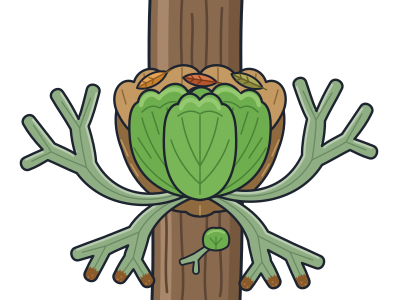
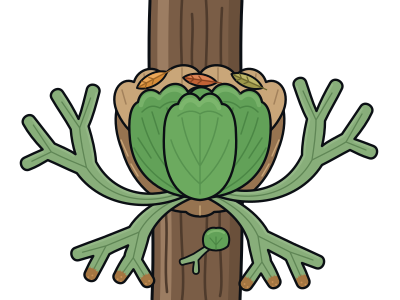
- Bird's-nest fernA rosette of glossy undivided fronds high in rainforest trees that collects its own compost.