A group of living things
Gamebirds
Galliformes
Ground-loving birds with strong legs that scratch for food and burst into flight when startled.
This branch is shown at about 67 million years ago; its age is a rough estimate.
You and gamebirds meet in the Amniotes branch, shown at about 320 million years ago (on 4 December, in a calendar from life's shared ancestor to today).
AmniotesMammals and their ancestorsMammalsLive-bearing mammalsPlacental mammalsPrimates, rodents and rabbitsPrimatesApesGreat apesHumans and chimpanzeesHumanReptiles and birdsTurtles, crocodiles and birdsCrocodiles and dinosaursPterosaurs and dinosaursDinosaursLizard-hipped dinosaursTheropodsStiff-tailed theropodsFeathered theropodsRaptors and birdsBirdsAll other birdsFowl and waterfowlGamebirds
Ground-loving birds with strong legs that scratch for food and burst into flight when startled.
The full page for Gamebirds is still being written and drawn.
Inside gamebirds
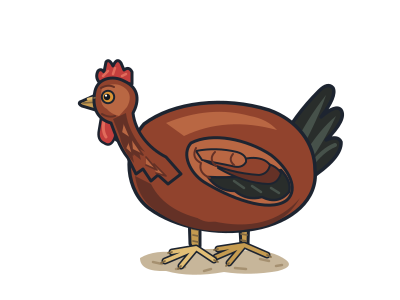
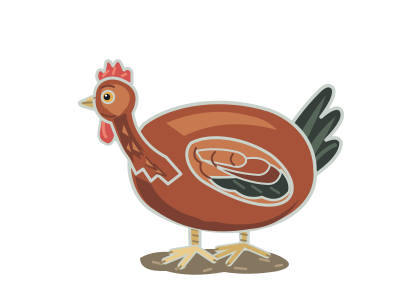
- ChickenDescended from the red junglefowl; the most numerous bird on Earth.
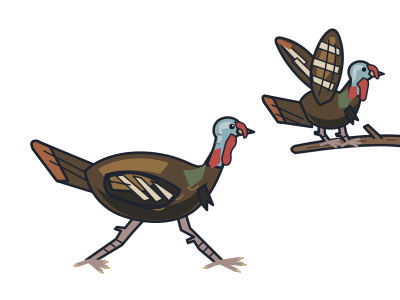
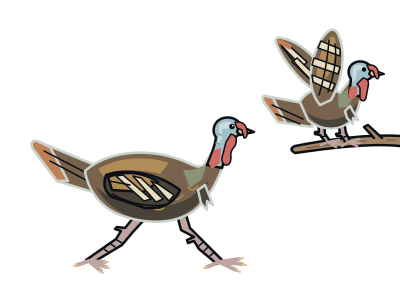
- Wild turkeyCan run at 40 km/h and fly into trees to roost at night.
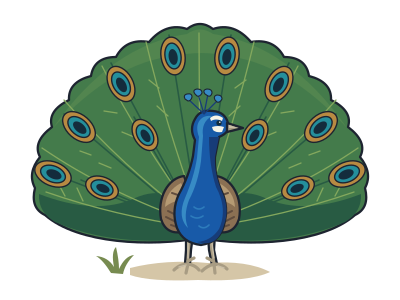
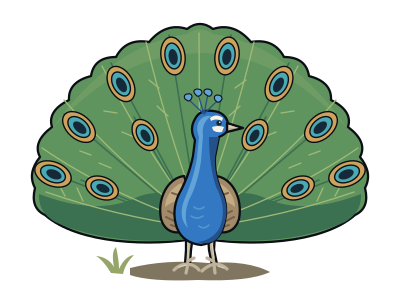
- Indian peafowlThe peacock's tail of eyespots is one of the most famous products of mate choice.
- Common pheasantA copper-and-green Asian bird released in its millions for hunting across Europe and North America.
- Japanese quailA palm-sized farm bird whose speckled eggs hatch after just 17 days; it has even flown in space.
- Helmeted guineafowlA polka-dotted African bird with a bony helmet that patrols farms in noisy flocks.
- MalleefowlBuries its eggs in a huge compost mound and checks the heat with its beak to keep them just warm enough.
- Willow ptarmiganTurns from brown to snow-white each winter and grows feathered 'snowshoes' on its feet.
Next to it on the tree
- WonderchickenA small partridge-sized bird from just before the asteroid; one of the oldest known modern birds.
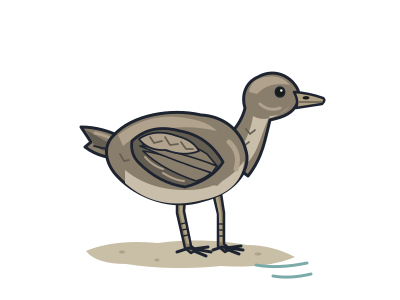
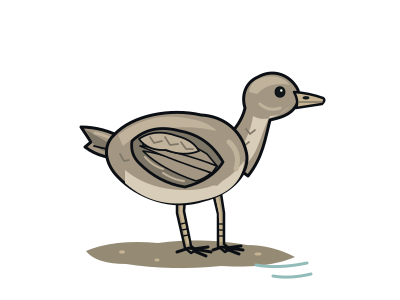
- DiatrymaA two-metre flightless bird with a huge beak, probably used for cracking seeds, not prey.
- Ducks, geese and swansWeb-footed birds with flat, comb-edged bills for sieving food from water.
- Stirton's thunderbirdA 3-metre, half-tonne Australian bird with a massive beak; its closest living kin are chickens and ducks.