An extinct species
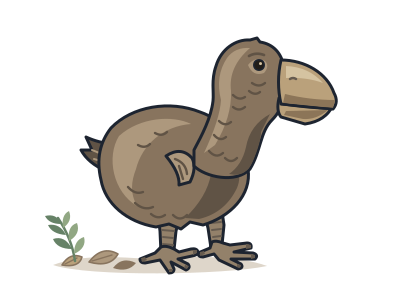
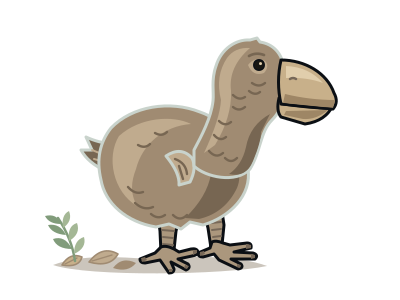
Diatryma †
Diatryma gigantea
A giant bird with a beak probably built for seeds, not prey.
Lived about 56–48 million years ago.
You and the diatryma meet in the Amniotes branch, shown at about 320 million years ago (on 4 December, in a calendar from life's shared ancestor to today).
This two-metre flightless bird belonged to the wider bird family that included ducks, geese and chickens—a surprising connection for such a giant. Its huge beak probably crushed plant foods such as seeds rather than caught prey. It lived in North America about 50 million years ago, taller than most adult people.
Its lower jaw had a broad area where powerful biting muscles could attach. That fitted the idea of crushing hard plant foods. Seeds and tough fruit were possible meals, but these were inferred from its anatomy, not found in its stomach. Plant-eating was better supported than any particular menu.
Its ancestors had been smaller birds capable of flight. Fossil bones revealed its huge head and strong neck. Reconstructing how it looked and behaved also required comparisons with living birds: the skeleton alone could not tell the whole story.
A toothless giant
Its enormous beak had no teeth.
A clearer picture
A nearly complete skeleton from Wyoming, described in 1917, revealed much more than earlier fragmentary finds.
A dinosaur itself
As a bird, it was itself a dinosaur—not merely an animal that looked like one.
Next to it on the tree
- WonderchickenA small partridge-sized bird from just before the asteroid; one of the oldest known modern birds.
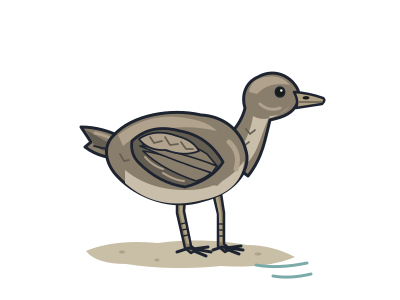
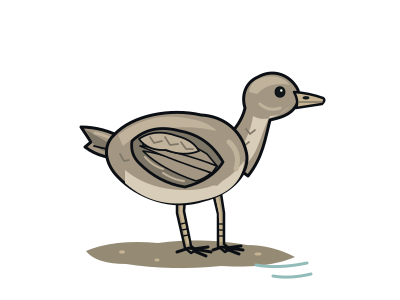
- GamebirdsGround-loving birds with strong legs that scratch for food and burst into flight when startled.
- Ducks, geese and swansWeb-footed birds with flat, comb-edged bills for sieving food from water.
- Stirton's thunderbirdA 3-metre, half-tonne Australian bird with a massive beak; its closest living kin are chickens and ducks.