A species
Malleefowl
Leipoa ocellata
Buries its eggs in a huge compost mound and checks the heat with its beak to keep them just warm enough.
You and the malleefowl meet in the Amniotes branch, shown at about 320 million years ago (on 4 December, in a calendar from life's shared ancestor to today).
AmniotesMammals and their ancestorsMammalsLive-bearing mammalsPlacental mammalsPrimates, rodents and rabbitsPrimatesApesGreat apesHumans and chimpanzeesHumanReptiles and birdsTurtles, crocodiles and birdsCrocodiles and dinosaursPterosaurs and dinosaursDinosaursLizard-hipped dinosaursTheropodsStiff-tailed theropodsFeathered theropodsRaptors and birdsBirdsAll other birdsFowl and waterfowlGamebirdsMalleefowl
Buries its eggs in a huge compost mound and checks the heat with its beak to keep them just warm enough.
The full page for Malleefowl is still being written and drawn.
Next to it on the tree
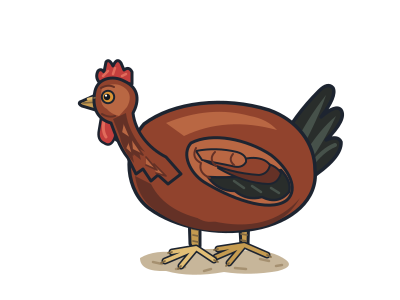
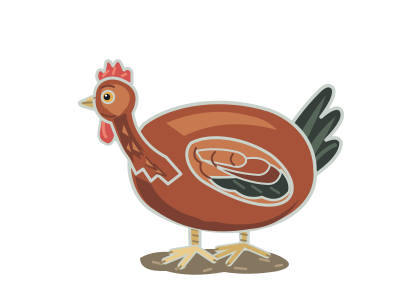
- ChickenDescended from the red junglefowl; the most numerous bird on Earth.
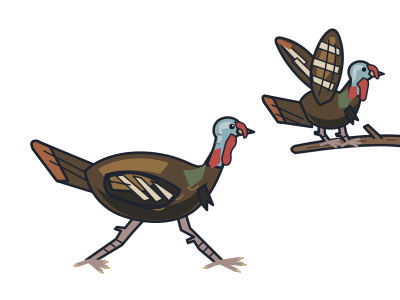
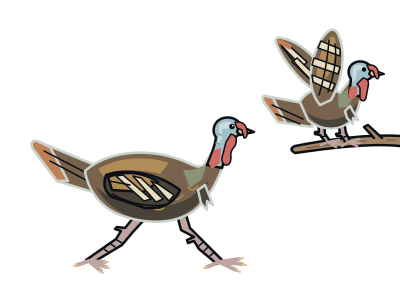
- Wild turkeyCan run at 40 km/h and fly into trees to roost at night.
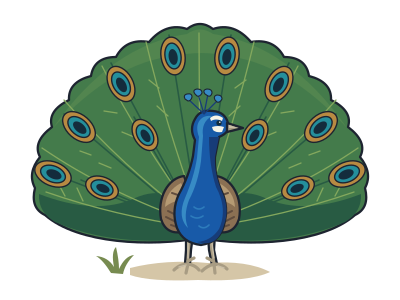
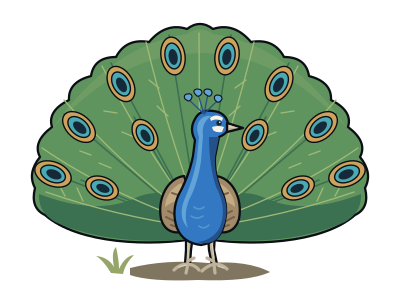
- Indian peafowlThe peacock's tail of eyespots is one of the most famous products of mate choice.
- Common pheasantA copper-and-green Asian bird released in its millions for hunting across Europe and North America.
- Japanese quailA palm-sized farm bird whose speckled eggs hatch after just 17 days; it has even flown in space.
- Helmeted guineafowlA polka-dotted African bird with a bony helmet that patrols farms in noisy flocks.
- Willow ptarmiganTurns from brown to snow-white each winter and grows feathered 'snowshoes' on its feet.