A group of living things
Spiders, scorpions and kin
Arachnopulmonata
Arachnids that breathe through stacks of thin plates, like the pages of a book.
This branch is shown at about 450 million years ago; its age is a rough estimate.
You and spiders, scorpions and kin meet in the Two-sided animals branch, shown at about 580 million years ago (on 11 November, in a calendar from life's shared ancestor to today).
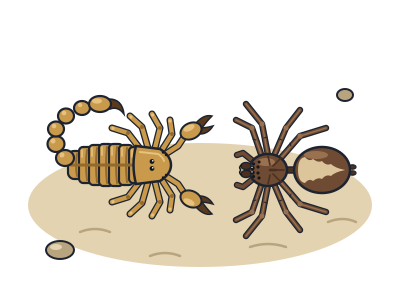
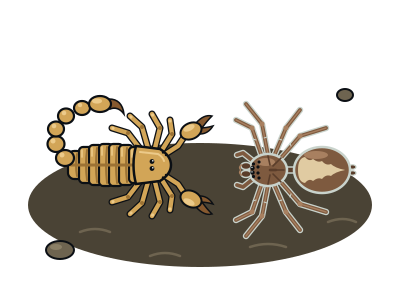
Look under a scorpion or a tarantula and you may spot small slits on its belly. Inside are book lungs: stacks of thin plates with air spaces between them, like the pages of a book. Scorpions, vinegaroons, tailless whip scorpions and most spiders breathe this way. Large genetic studies suggest they inherited book lungs from one shared ancestor.
That makes a scorpion a closer relative of a spider than mites, ticks or harvestmen are. Those arachnids have no book lungs. They breathe through tiny tubes or straight through their skin instead.
Book lungs are not like our lungs. There is no chest pumping air in and out. Blood-like fluid flows inside each plate and air flows between them. In most species, air simply drifts in and out with no breathing movements. Many scientists think book lungs began as book gills, the water-breathing plates that horseshoe crabs still use today.
The number of book lungs varies. Scorpions have four pairs, tarantulas have two, and most spiders have one. Many modern spiders have swapped part of theirs for breathing tubes, and some tiny spiders living in damp places have none at all.
A doubled instruction book
Spiders, scorpions and tailless whip scorpions share signs of an ancient doubling of their genome. In one scorpion, every Hox gene except one comes in two copies. Mites, ticks and harvestmen don't show this doubling.
Lungs set in stone
Book lungs about 410 million years old, from long before the dinosaurs, have been found in an extinct spider-like arachnid in Scotland. They look almost the same as the book lungs of arachnids alive today.
Not a true scorpion
The vinegaroon has no sting. Instead, it defends itself by spraying a liquid from the base of its tail that is about 85% acetic acid, the acid in vinegar.
Inside spiders, scorpions and kin
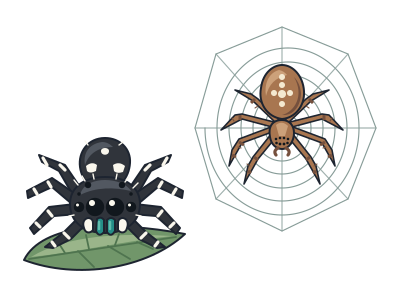
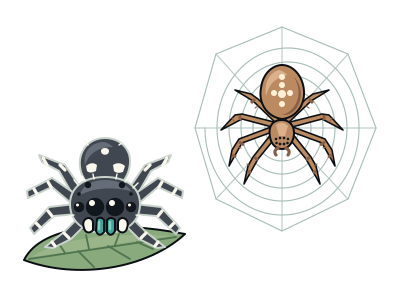
- SpidersEight-legged hunters that spin silk; about 50,000 species, nearly all of them predators.
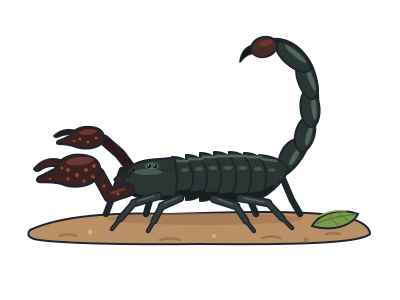
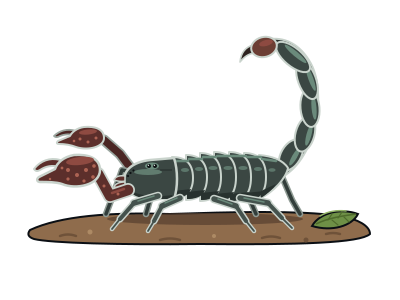
- ScorpionsEight-legged hunters with grasping pincers and a curled tail ending in a sting.
- PulmonoscorpiusA giant land scorpion of the coal-swamp age, as long as a forearm.
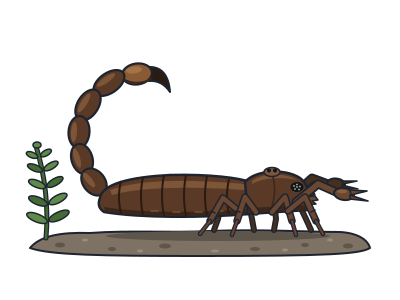
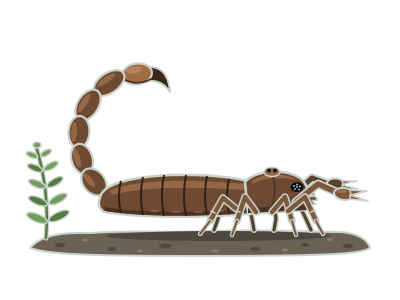
- VinegaroonA whip scorpion with no sting that sprays a vinegar-smelling mist from its tail.
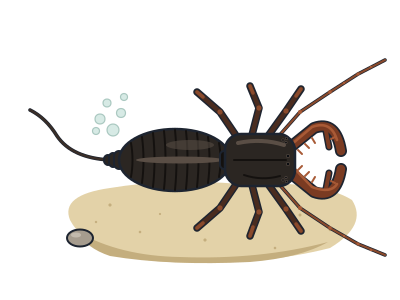
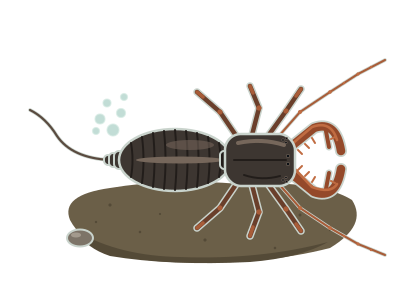
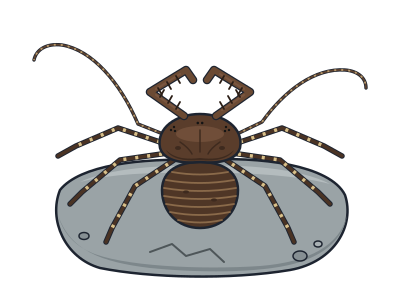
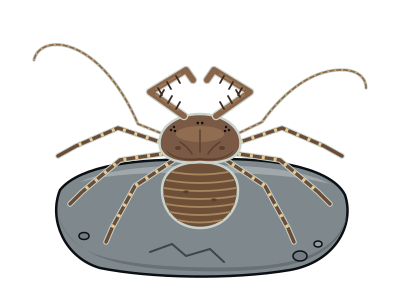
- Tailless whip scorpionA flat arachnid that walks sideways and feels its way with two extremely long, whip-like legs.
Next to it on the tree
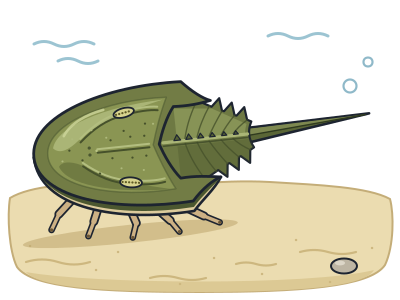
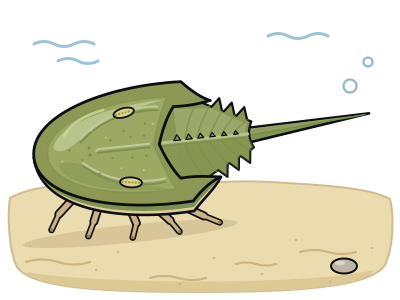
- Atlantic horseshoe crabNot a crab but a spider cousin, with blue blood used to test medicines.
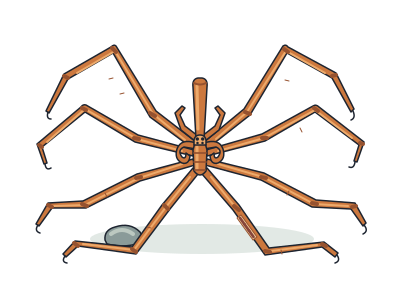
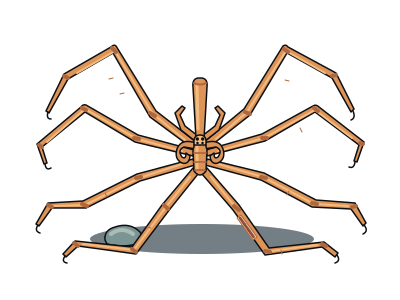
- Giant sea spiderA leggy sea creature so thin its gut runs down its legs; it pumps blood with its gut.
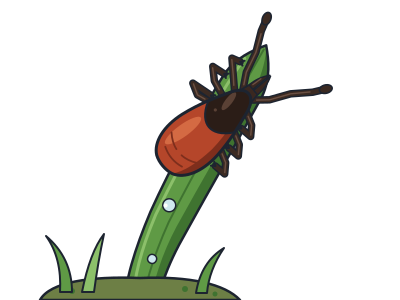
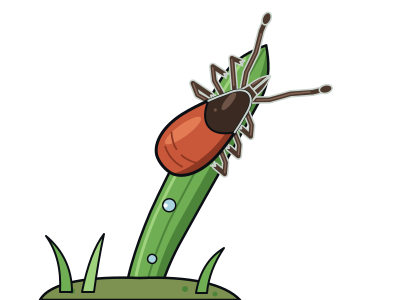
- Castor bean tickA blood-sipping mite relative that waits on grass with its front legs held out.
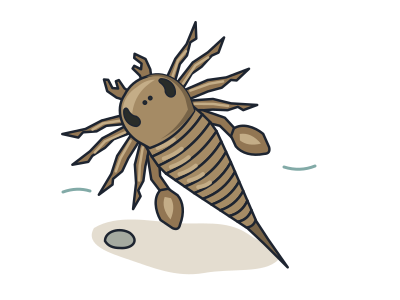
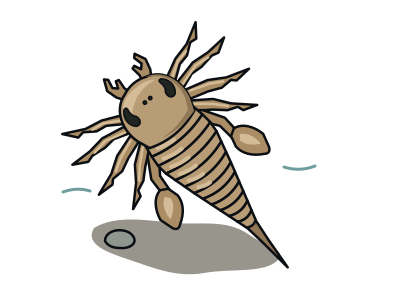
- Sea scorpionsExtinct chelicerates that ruled ancient seas and rivers, some longer than a person.
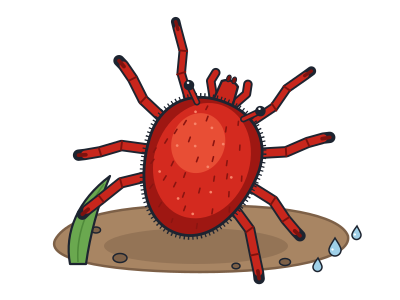
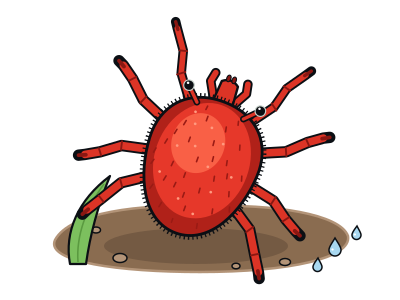
- Red velvet miteA bright red, fuzzy mite that appears after rain, like a tiny walking cushion.
- HarvestmanA 'daddy longlegs' with one body blob and no venom or silk; not a spider.
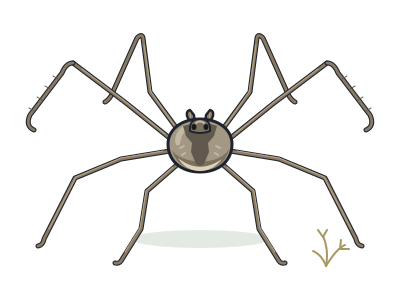
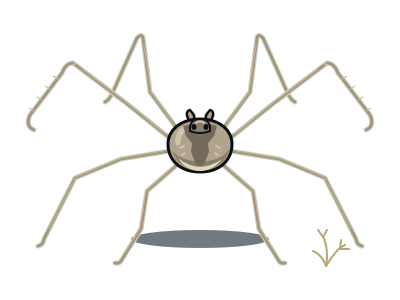
- Camel spiderA fast desert hunter with huge jaws; neither a spider nor a scorpion.
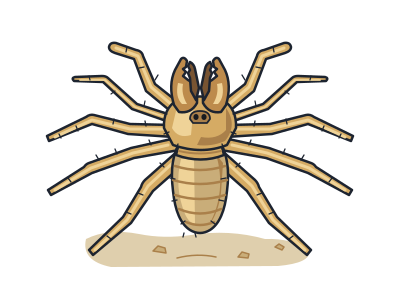
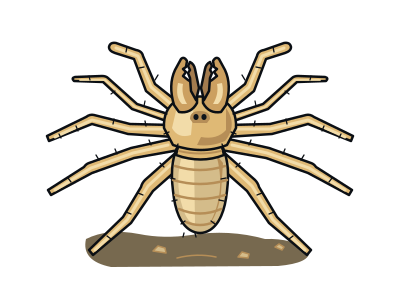
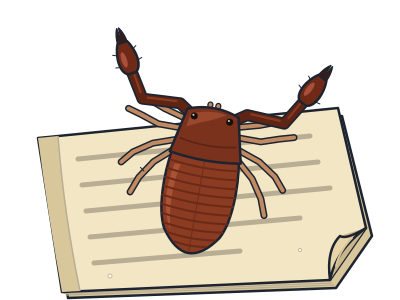
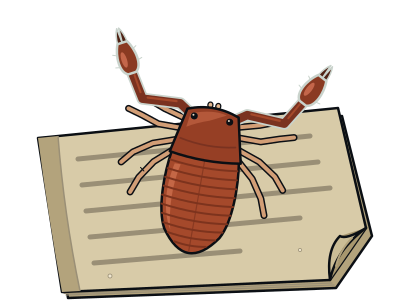
- Book scorpionA tiny tailless scorpion look-alike that hunts book lice in old libraries and hitchhikes on flies.