A species
Red velvet mite
Trombidium holosericeum
A tiny scarlet cushion on eight legs that comes out after the rain
You and the red velvet mite meet in the Two-sided animals branch, shown at about 580 million years ago (on 11 November, in a calendar from life's shared ancestor to today).
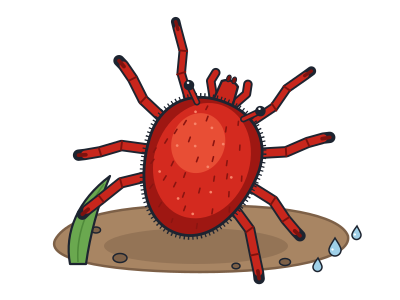
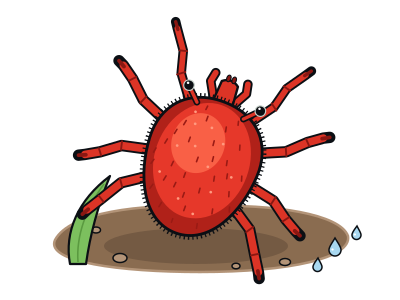
After a spring shower, a tiny scarlet dot may come wandering across a garden path. Look closer and you'll see it is fuzzy all over, like a tiny walking cushion. This is the red velvet mite, sometimes called a "rain bug" because it tends to turn up after rain. Fine hairs cover its soft red body and make it look like velvet.
It is not an insect. Its relatives on the tree of life include spiders, scorpions and ticks, and like them, the adults have eight legs. It has no antennae. Instead, it holds its front pair of legs forward as feelers to check the way ahead.
Its body is about 4 mm long, about the size of a match head. That makes it one of the biggest mites in the cooler northern parts of the world. Adults hunt small animals and insect eggs. The young live very differently. They hatch from eggs in the soil with only six legs. They cling to grasshoppers, flies, harvestmen or spiders and feed on their body fluids, looking like little red beads. They do the host little harm. Then they drop off, burrow into the soil and moult, and come out looking more like adults.
Colour from carrots' pigment
Its red colour comes from carotenoids, the same kind of pigment that colours carrots and corn. The bright colour may warn predators that it tastes bad.
Eyes on stalks
Its small eyes sit on short stalks. At the front of its body it has tiny scissor-like mouthparts.
A silky name
Its scientific name comes from Ancient Greek words meaning "wholly silky", a nod to its soft, velvety coat.
Next to it on the tree
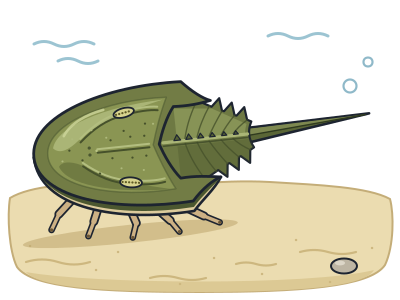
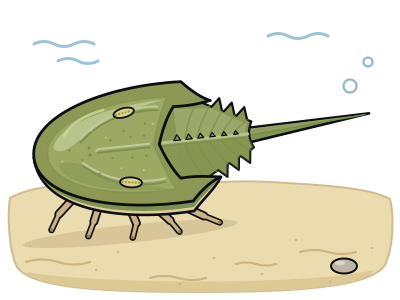
- Atlantic horseshoe crabNot a crab but a spider cousin, with blue blood used to test medicines.
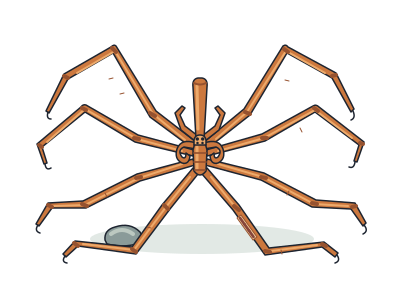
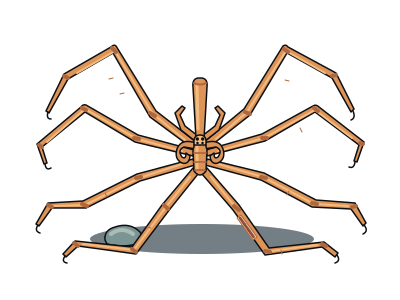
- Giant sea spiderA leggy sea creature so thin its gut runs down its legs; it pumps blood with its gut.
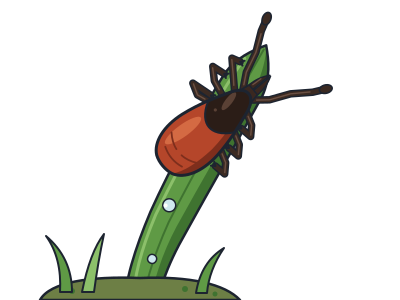
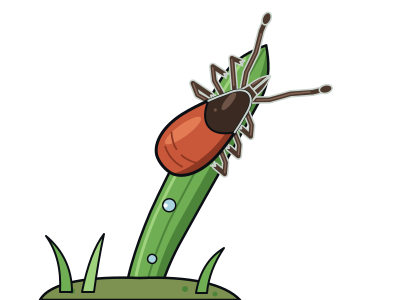
- Castor bean tickA blood-sipping mite relative that waits on grass with its front legs held out.
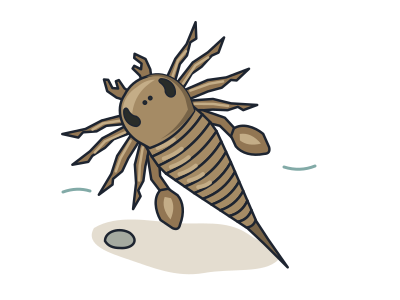
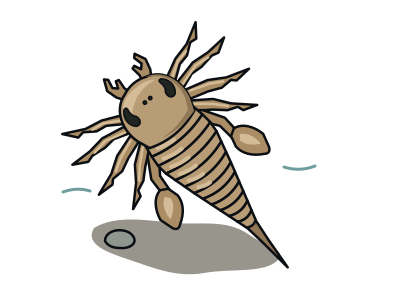
- Sea scorpionsExtinct chelicerates that ruled ancient seas and rivers, some longer than a person.
- HarvestmanA 'daddy longlegs' with one body blob and no venom or silk; not a spider.
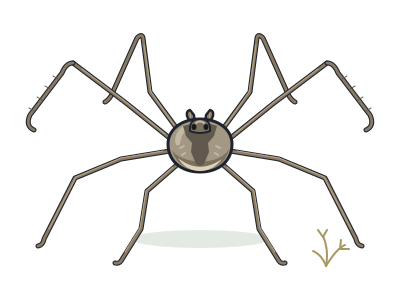
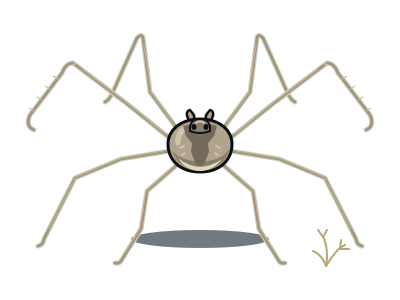
- Camel spiderA fast desert hunter with huge jaws; neither a spider nor a scorpion.
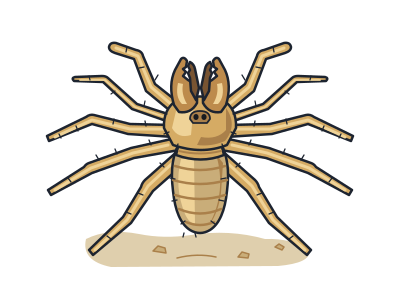
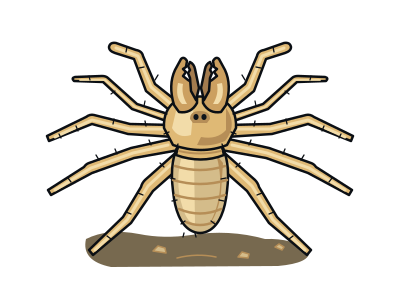
- Spiders, scorpions and kinArachnids that breathe with book lungs, stacked like pages, inherited from a shared ancestor.
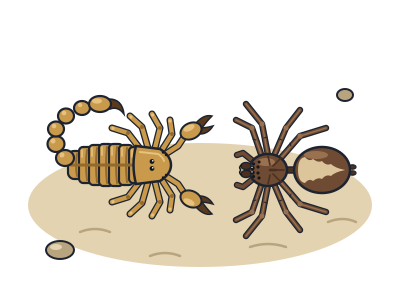
- Book scorpionA tiny tailless scorpion look-alike that hunts book lice in old libraries and hitchhikes on flies.