A species
Book scorpion
Chelifer cancroides
A tailless mini-scorpion that hunts booklice on your bookshelf and rides on flies
You and the book scorpion meet in the Two-sided animals branch, shown at about 580 million years ago (on 11 November, in a calendar from life's shared ancestor to today).
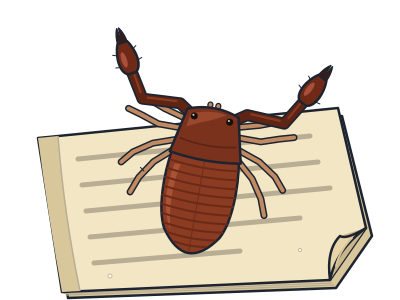
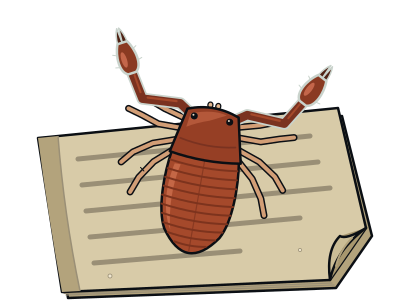
Picture a scorpion smaller than a grain of rice, with no tail and no sting. That is the book scorpion. It creeps along dusty bookshelves and old papers, hunting the booklice and dust mites that live there. When it needs a new home, it grabs a passing fly's leg with one pincer and hitches a ride.
Despite its name, it is not a true scorpion. It is a pseudoscorpion, which means 'false scorpion'. Like spiders, scorpions and mites, it is an arachnid. It has eight legs and no antennae or wings, so it is not an insect. Its family is very old. Pseudoscorpion fossils go back about 380 million years, long before the dinosaurs, and their body shape has changed little since.
Its teardrop-shaped body is a rich reddish-brown and about 2.5 to 4.5 millimetres long. It holds two long pincer-arms out in front. Its venom is in those pincers, not in a tail. It uses the venom to stop its prey from struggling, but it is harmless to people and pets.
So if you spot one, there is no need to worry. It is not a pest. It is a tiny hunter, quietly eating the even tinier creatures that share your shelves.
A dance for a mate
Males guard a tiny patch only a centimetre or two across. To court a female, they vibrate their bodies and wave their pincers. Then they leave a sperm packet on the ground and guide her over it.
Babies in a pouch
A mother carries about 20 to 40 eggs in a pouch under her body. Her young feed on a milky fluid that she makes.
Named long ago
The famous naturalist Carl Linnaeus named this species in 1758. Adults usually live for about three or four years.
Next to it on the tree
- Atlantic horseshoe crabNot a crab but a spider cousin, with blue blood used to test medicines.
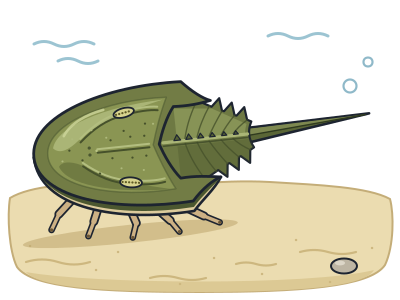
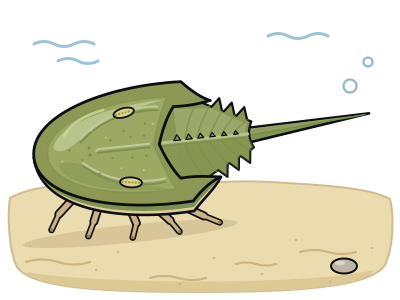
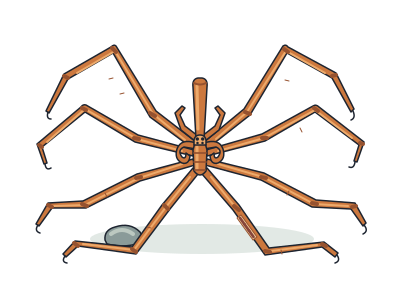
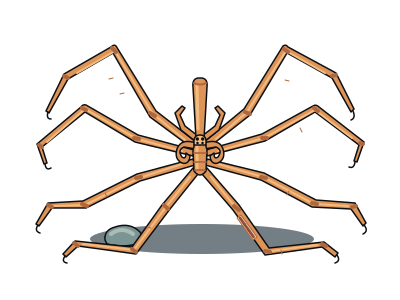
- Giant sea spiderA leggy sea creature so thin its gut runs down its legs; it pumps blood with its gut.
- Castor bean tickA blood-sipping mite relative that waits on grass with its front legs held out.
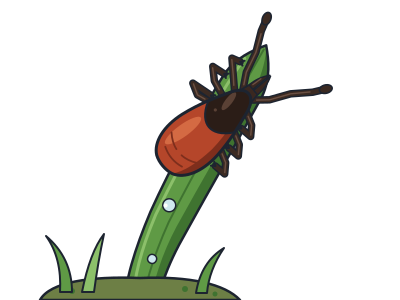
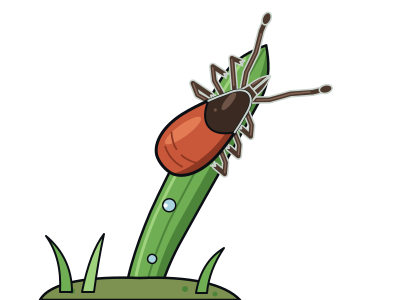
- Sea scorpionsExtinct chelicerates that ruled ancient seas and rivers, some longer than a person.
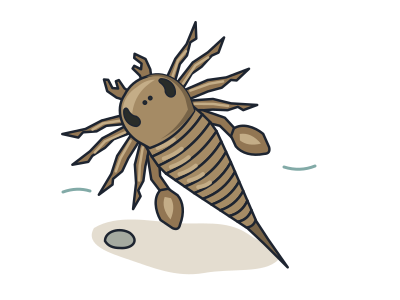
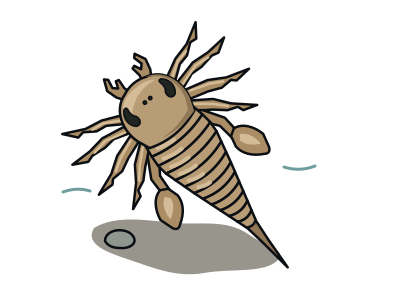
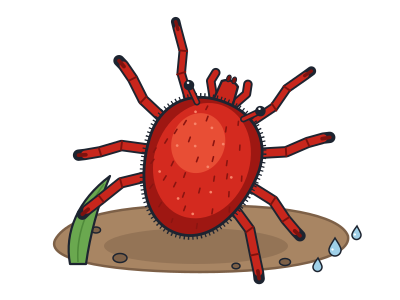
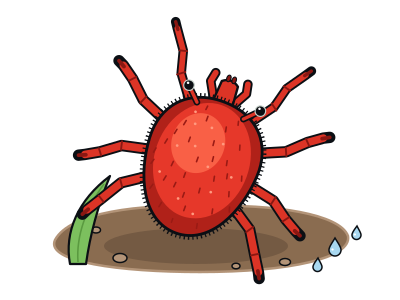
- Red velvet miteA bright red, fuzzy mite that appears after rain, like a tiny walking cushion.
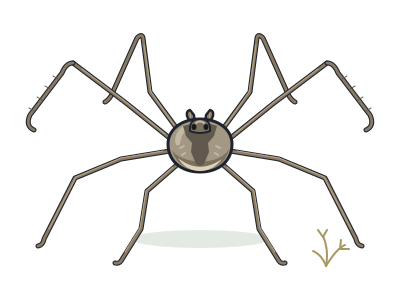
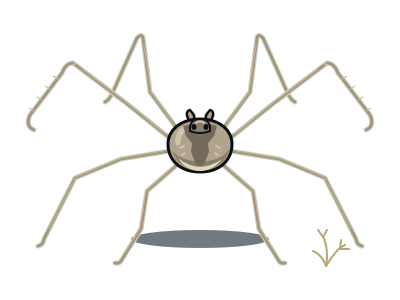
- HarvestmanA 'daddy longlegs' with one body blob and no venom or silk; not a spider.
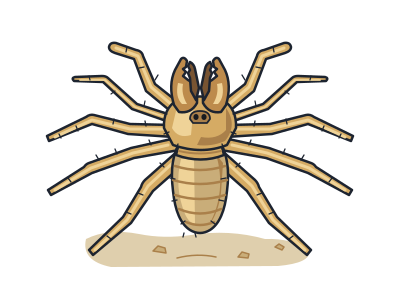
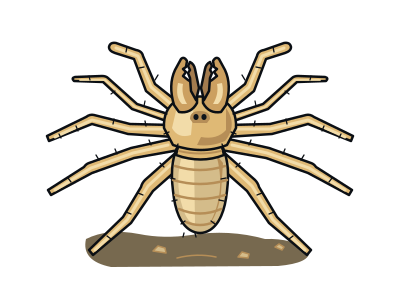
- Camel spiderA fast desert hunter with huge jaws; neither a spider nor a scorpion.
- Spiders, scorpions and kinArachnids that breathe with book lungs, stacked like pages, inherited from a shared ancestor.