A species
Castor bean tick
Ixodes ricinus
A tiny eight-legged relative of spiders and mites that waits on grass with its arms out
You and the castor bean tick meet in the Two-sided animals branch, shown at about 580 million years ago (on 11 November, in a calendar from life's shared ancestor to today).
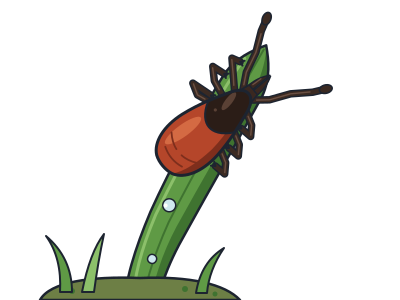
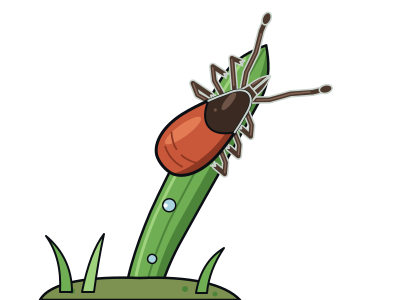
This tiny blood-sipper is not an insect. It is an arachnid, part of the same big group as spiders, scorpions and mites, and adults have eight legs, not six. Ticks cannot jump or fly. Instead, a tick climbs to the tip of a grass blade or low plant and waits. It grips with its back legs and holds its front pair out, as if reaching for a hug.
Those outstretched legs work like a nose. The tick has no eyes and no antennae. Instead, sense organs on its front legs pick up the carbon dioxide in breath, body heat, smells and movement. When an animal brushes past, the tick grabs on. If nothing comes, it climbs back down before it runs out of energy.
It grows in stages: egg, larva, nymph and adult. At each active stage it feeds once, on a new host animal. Young ticks mostly feed on small animals such as mice, birds and hedgehogs. Adults tend to feed on bigger ones such as deer and cattle. It often bites people too. An unfed female is about the size of a sesame seed. Full of blood, she swells to about 11 millimetres and looks like a castor bean seed, which is how the tick got its name. It lives in damp woods, heaths and grassland across much of Europe.
One big batch of eggs
After her last meal, a female lays one big batch of eggs, up to about 2,000 by one estimate, and then dies. The whole life cycle usually takes about three years.
Named long ago
The famous Swedish naturalist Linnaeus named this tick in 1758.
Most bites do not cause Lyme disease
It can carry Lyme disease, but only about 4 in every 100 ticks in England carry the bacteria that cause it. Most bites, even from those ticks, do not cause illness.
Next to it on the tree
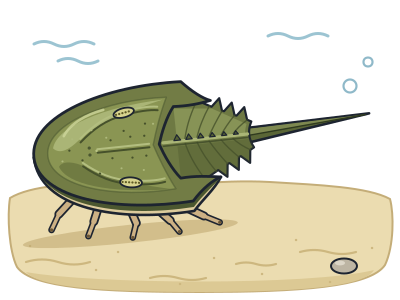
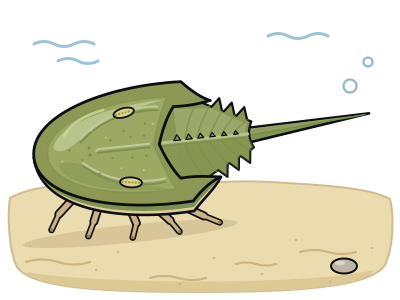
- Atlantic horseshoe crabNot a crab but a spider cousin, with blue blood used to test medicines.
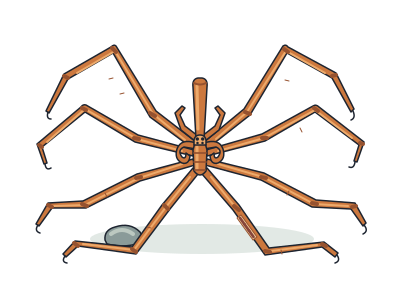
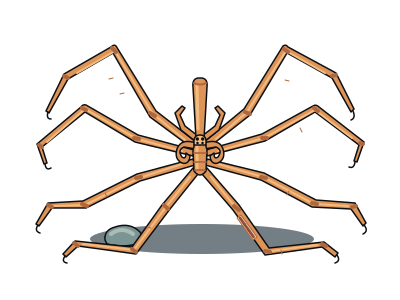
- Giant sea spiderA leggy sea creature so thin its gut runs down its legs; it pumps blood with its gut.
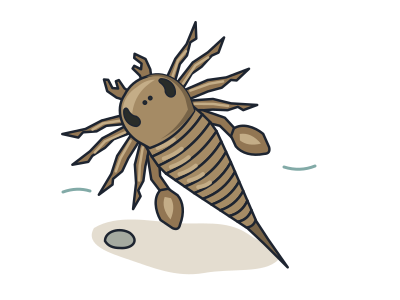
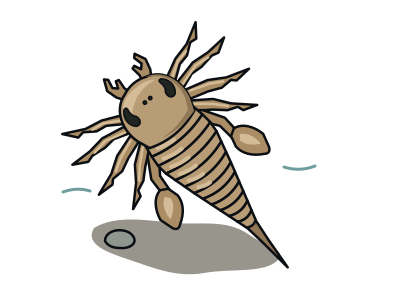
- Sea scorpionsExtinct chelicerates that ruled ancient seas and rivers, some longer than a person.
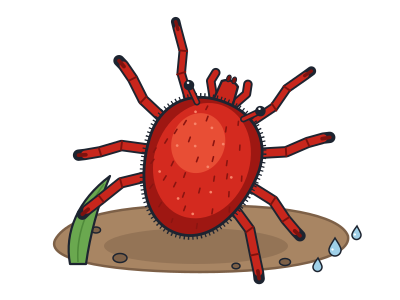
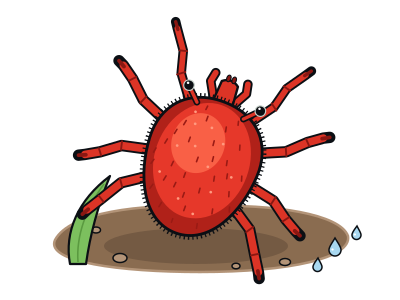
- Red velvet miteA bright red, fuzzy mite that appears after rain, like a tiny walking cushion.
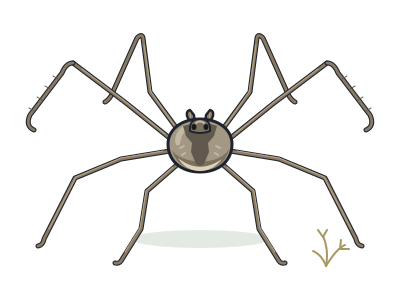
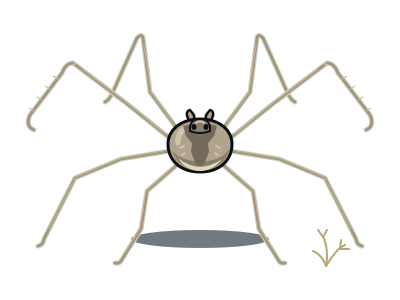
- HarvestmanA 'daddy longlegs' with one body blob and no venom or silk; not a spider.
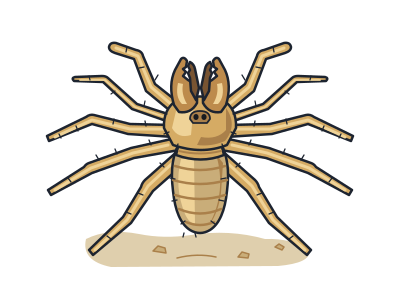
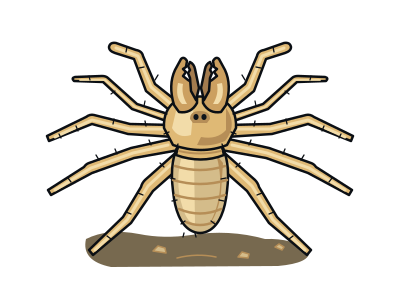
- Camel spiderA fast desert hunter with huge jaws; neither a spider nor a scorpion.
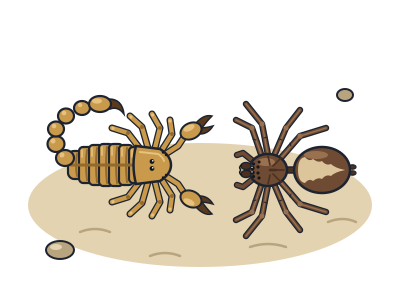
- Spiders, scorpions and kinArachnids that breathe with book lungs, stacked like pages, inherited from a shared ancestor.
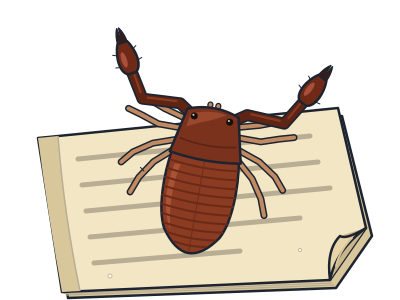
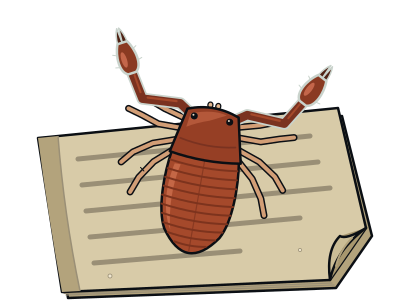
- Book scorpionA tiny tailless scorpion look-alike that hunts book lice in old libraries and hitchhikes on flies.