A species
Giant sea spider
Colossendeis megalonyx
A body so thin, its gut reaches into its legs.
You and the giant sea spider meet in the Two-sided animals branch, shown at about 580 million years ago (on 11 November, in a calendar from life's shared ancestor to today).
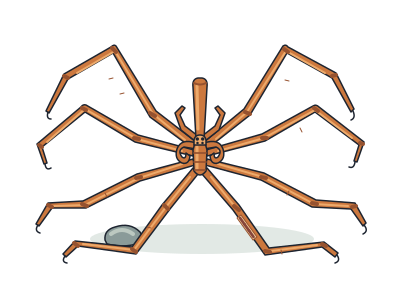
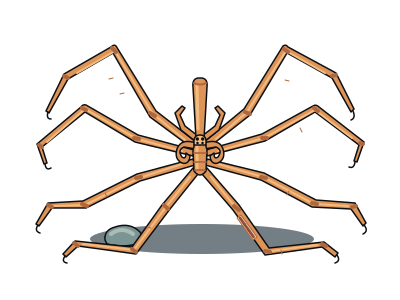
The giant sea spider has so little room inside its narrow body that branches of its gut run down its legs. Those branches do more than digest food. Waves of squeezing muscles help move the separate, blood-like fluid around them, carrying oxygen through the animal. It still has a heart: its gut provides extra pumping, especially along those long legs.
Despite its name, this animal is not a true spider. Sea spiders form one branch of a larger family group. Their sister group contains spiders, horseshoe crabs, scorpions, ticks, mites and harvestmen. That makes this strange sea creature a relative of familiar garden animals, but not a land spider that moved underwater.
Its shape makes the difference clear. Eight slender, jointed walking legs spread from a tiny central body. Instead of the rounded rear body of many land spiders, it has only a tiny rear projection. The legs are walking limbs, not just supports for drifting.
An extra-long feeding tube
In described Ross Sea specimens, the feeding tube was almost twice as long as the central trunk.
Eyes on a mound
Studied Ross Sea specimens had four eyes on a raised, cone-shaped mound. The front pair were larger than the rear pair.
Eggs attached to rock
Researchers observed a parent attaching tiny eggs to rock. The eggs developed for several months before the young hatched.
Next to it on the tree
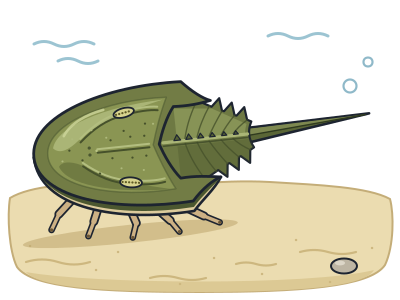
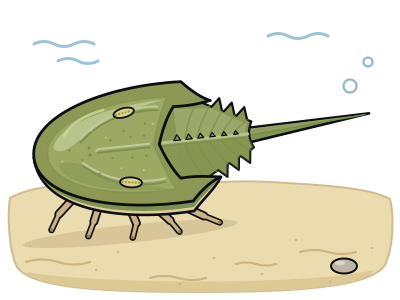
- Atlantic horseshoe crabNot a crab but a spider cousin, with blue blood used to test medicines.
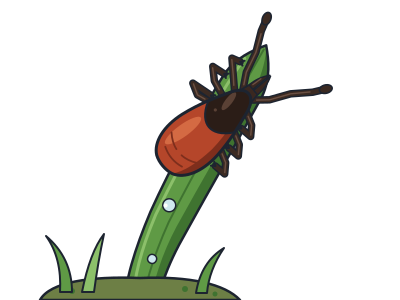
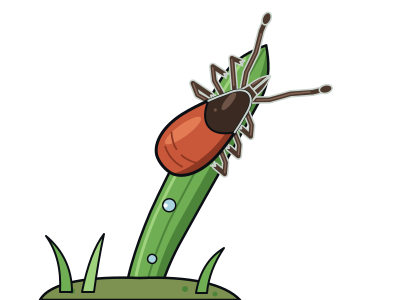
- Castor bean tickA blood-sipping mite relative that waits on grass with its front legs held out.
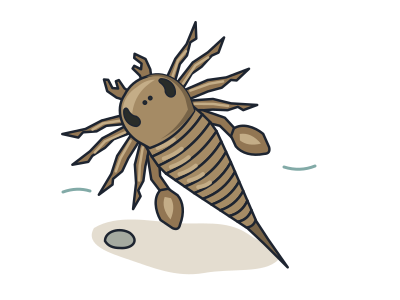
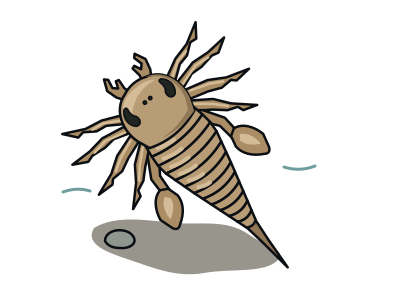
- Sea scorpionsExtinct chelicerates that ruled ancient seas and rivers, some longer than a person.
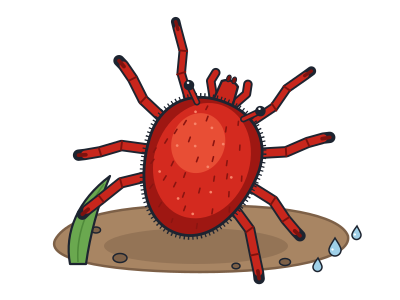
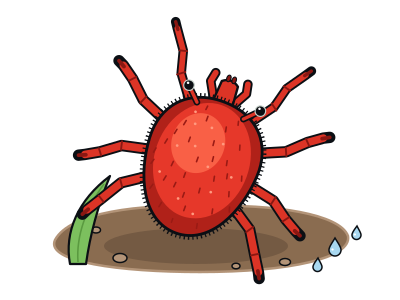
- Red velvet miteA bright red, fuzzy mite that appears after rain, like a tiny walking cushion.
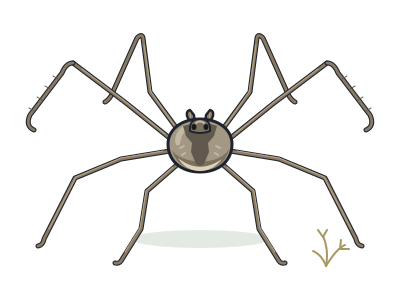
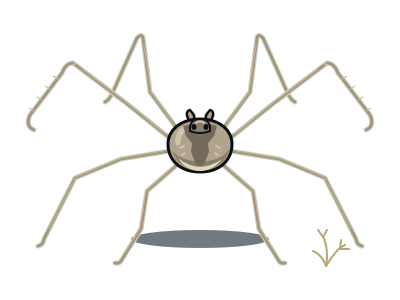
- HarvestmanA 'daddy longlegs' with one body blob and no venom or silk; not a spider.
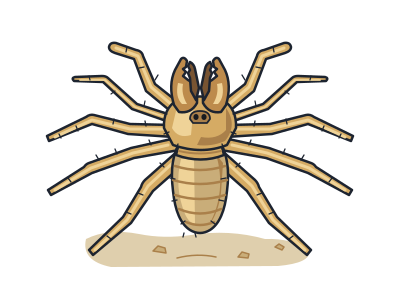
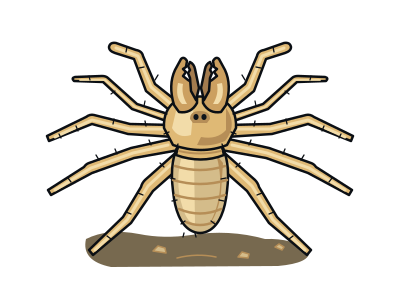
- Camel spiderA fast desert hunter with huge jaws; neither a spider nor a scorpion.
- Spiders, scorpions and kinArachnids that breathe with book lungs, stacked like pages, inherited from a shared ancestor.
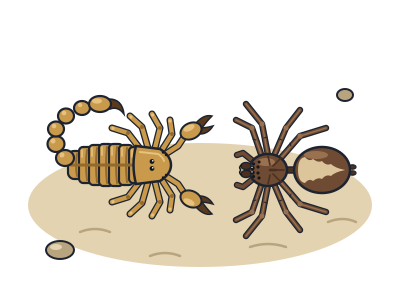
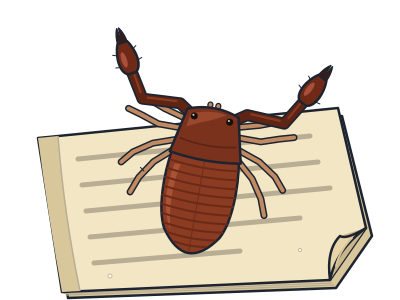
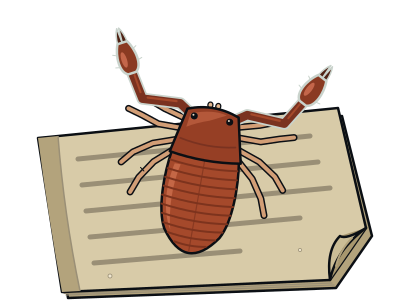
- Book scorpionA tiny tailless scorpion look-alike that hunts book lice in old libraries and hitchhikes on flies.