A species
Harvestman
Phalangium opilio
A daddy longlegs, but not a spider
You and the harvestman meet in the Two-sided animals branch, shown at about 580 million years ago (on 11 November, in a calendar from life's shared ancestor to today).
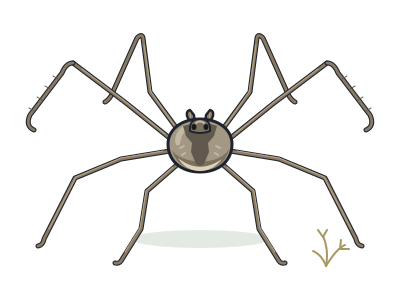
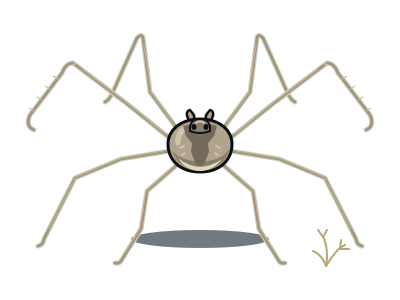
This ‘daddy longlegs’ is not a spider. It belongs to the arachnids, the wider group that includes spiders and scorpions. Its body looks like one little blob because its two main sections join broadly, without a spider’s narrow waist. It has no venom glands or piercing spider fangs, and it cannot make silk or spin webs.
Eight long, thin legs surround a small, rounded body. Its back has grey or brown markings, while its underside is usually pale cream. The name ‘daddy longlegs’ can be confusing: people also use it for cellar spiders and crane flies. Those are different animals.
Rather than catching food in a web, it eats small animals such as aphids, caterpillars, mites and small slugs. It also eats dead insects and decaying material. In crop fields, it joins other predators that can help limit pests, rather than controlling them alone.
Legs that feel
Its second pair of legs is the longest. Sensory hairs help these legs feel around while the other six mainly support walking.
Tiny eggs
Its round eggs are about 0.4 millimetres across and darken as they develop.
Miniature youngsters
Young harvestmen resemble small adults, but their legs are shorter compared with their bodies.
Next to it on the tree
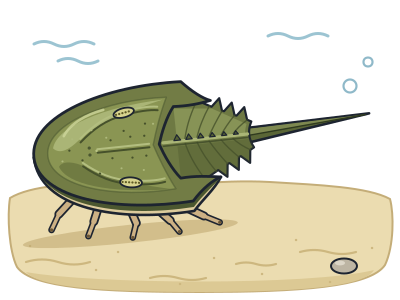
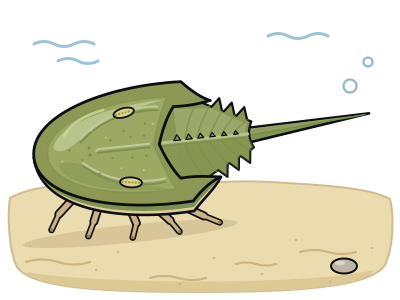
- Atlantic horseshoe crabNot a crab but a spider cousin, with blue blood used to test medicines.
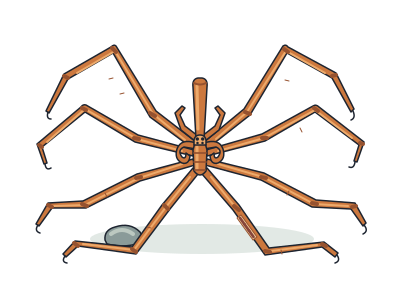
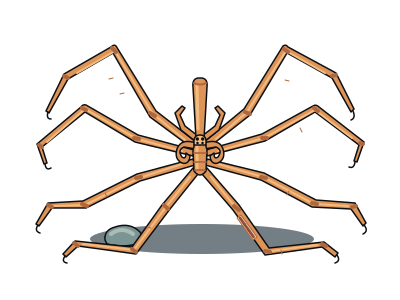
- Giant sea spiderA leggy sea creature so thin its gut runs down its legs; it pumps blood with its gut.
- Castor bean tickA blood-sipping mite relative that waits on grass with its front legs held out.
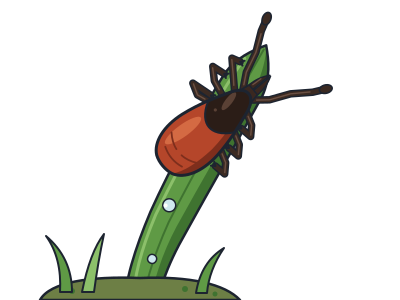
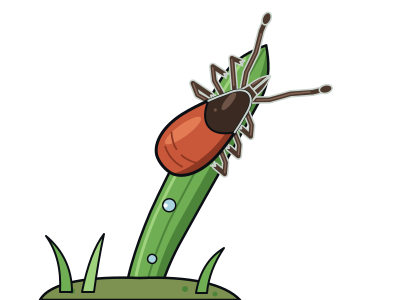
- Sea scorpionsExtinct chelicerates that ruled ancient seas and rivers, some longer than a person.
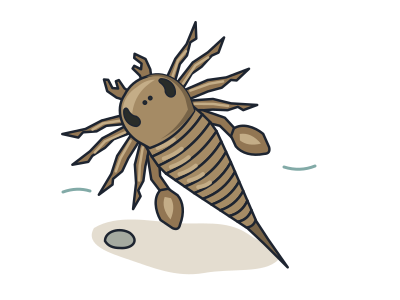
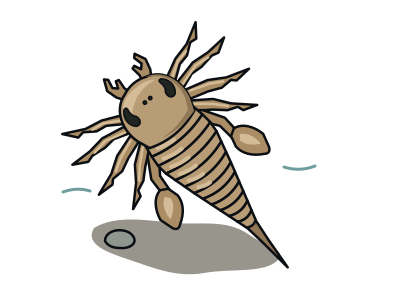
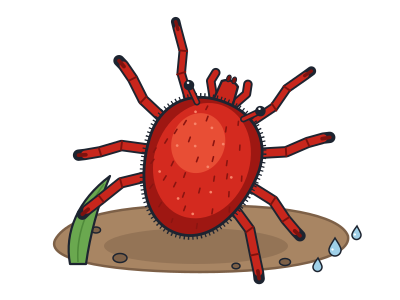
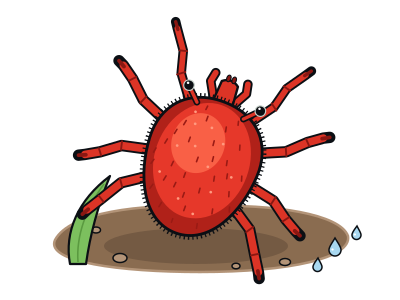
- Red velvet miteA bright red, fuzzy mite that appears after rain, like a tiny walking cushion.
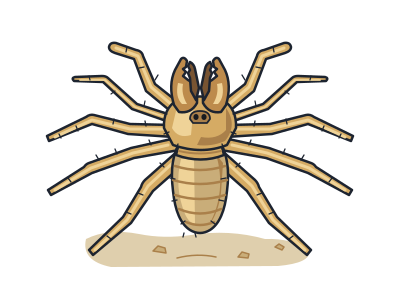
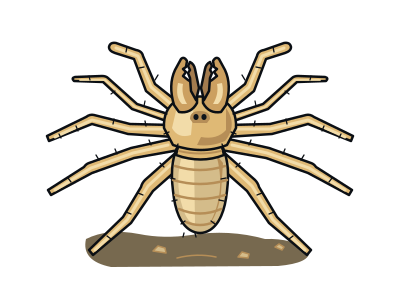
- Camel spiderA fast desert hunter with huge jaws; neither a spider nor a scorpion.
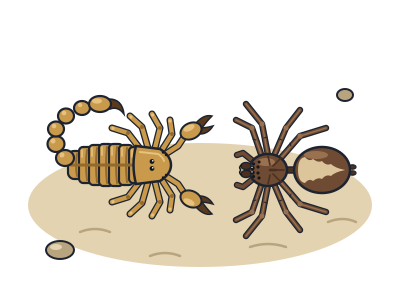
- Spiders, scorpions and kinArachnids that breathe with book lungs, stacked like pages, inherited from a shared ancestor.
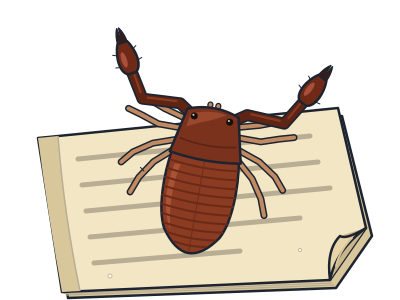
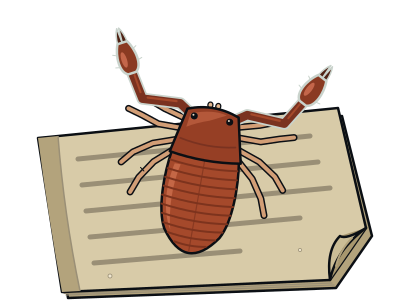
- Book scorpionA tiny tailless scorpion look-alike that hunts book lice in old libraries and hitchhikes on flies.