A species
Camel spider
Galeodes arabs
Huge jaws, quick feet—and neither a spider nor a scorpion.
You and the camel spider meet in the Two-sided animals branch, shown at about 580 million years ago (on 11 November, in a calendar from life's shared ancestor to today).
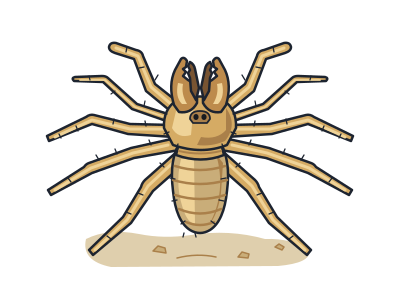
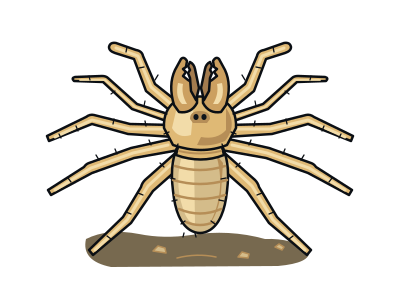
A fast desert hunter with huge jaws, the camel spider is neither a spider nor a scorpion. It belongs to a separate group called solifuges. It shares a broader branch of the animal tree with spiders, scorpions and even horseshoe crabs. Those enormous, pincer-like jaws are its most striking feature, dominating the front of its yellowish, bristly body.
Look closely and it seems to have ten legs. The extra-looking pair are actually pedipalps: long, arm-like feelers that help it sense its surroundings, grasp things and climb. Behind them are eight true legs. Its body has visible segments, rather than the smooth outline you might expect from a distance.
This species lives on hot, dry ground in northern and eastern Africa and western Asia. It usually hunts at night, especially during the hot season. Field observations describe deep underground daytime shelters, with their entrances plugged with dead leaves.
Jaws help reveal identity
Scientists use jaw shape and teeth to help tell different camel spider species apart.
Holding on to water
This species loses water slowly through its body surface in dry air—a useful feature for desert life.
Different proportions
Males are generally slimmer and smaller-bodied than females, but have proportionally longer legs.
Next to it on the tree
- Atlantic horseshoe crabNot a crab but a spider cousin, with blue blood used to test medicines.
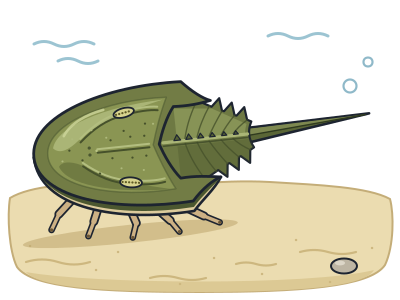
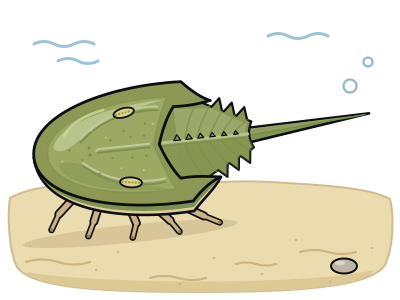
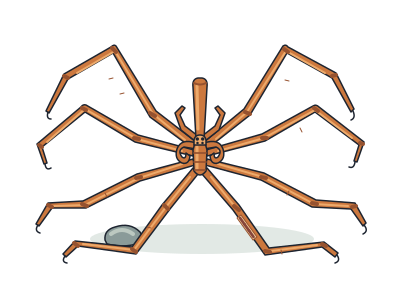
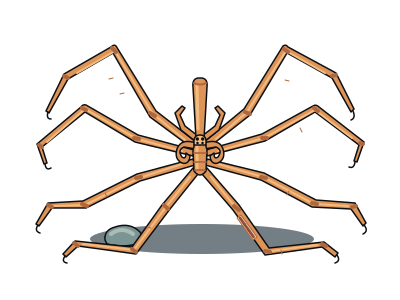
- Giant sea spiderA leggy sea creature so thin its gut runs down its legs; it pumps blood with its gut.
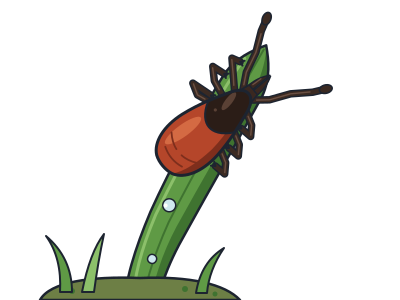
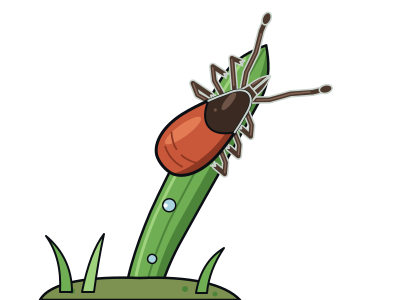
- Castor bean tickA blood-sipping mite relative that waits on grass with its front legs held out.
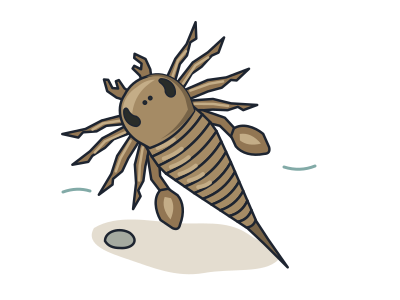
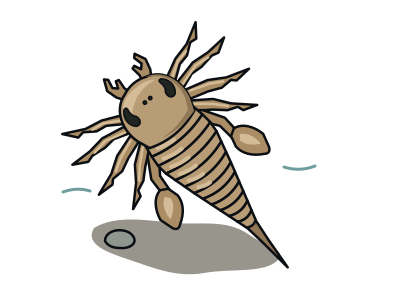
- Sea scorpionsExtinct chelicerates that ruled ancient seas and rivers, some longer than a person.
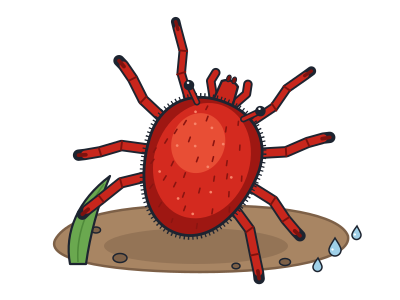
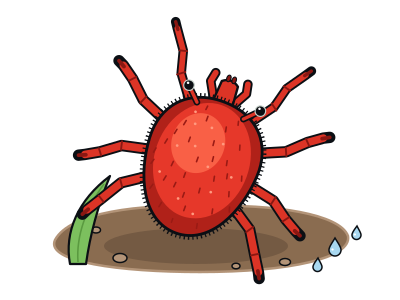
- Red velvet miteA bright red, fuzzy mite that appears after rain, like a tiny walking cushion.
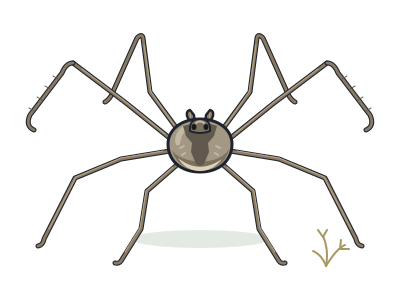
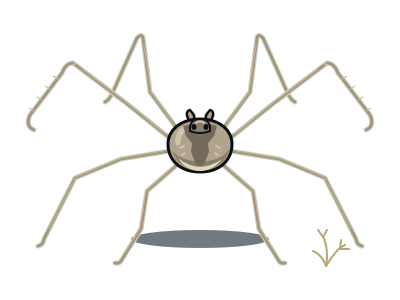
- HarvestmanA 'daddy longlegs' with one body blob and no venom or silk; not a spider.
- Spiders, scorpions and kinArachnids that breathe with book lungs, stacked like pages, inherited from a shared ancestor.
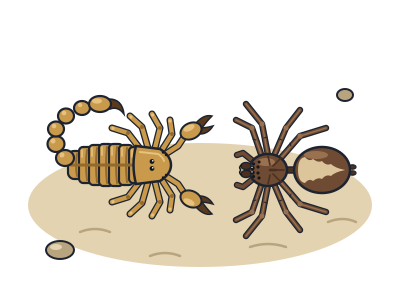
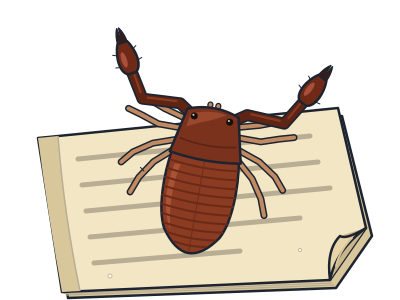
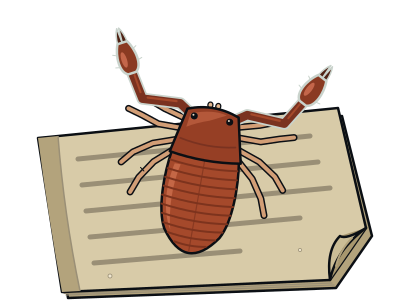
- Book scorpionA tiny tailless scorpion look-alike that hunts book lice in old libraries and hitchhikes on flies.