An extinct species
Pulmonoscorpius †
Pulmonoscorpius kirktonensis
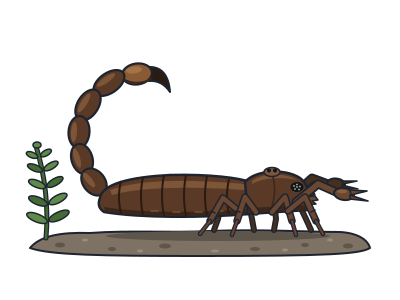
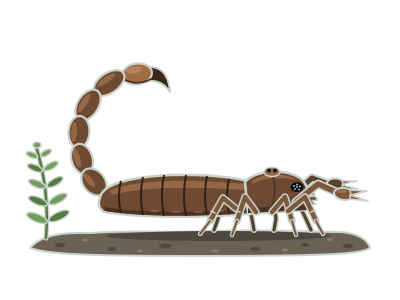
A giant land scorpion from early Carboniferous Scotland that may have grown about as long as a house cat.
Lived about 336–334 million years ago.
You and the pulmonoscorpius meet in the Two-sided animals branch, shown at about 580 million years ago (on 11 November, in a calendar from life's shared ancestor to today).
Picture a scorpion about as long as a house cat, creeping through ferns. This ancient scorpion may have grown that big. It lived about 335 million years ago, early in the Carboniferous period. That age later became famous for its coal swamps. It was a true scorpion and sits on the same branch of the tree as today's scorpions, spiders and vinegaroons.
All its fossils come from one quarry near Bathgate in Scotland. Its home there was not a swamp. It was dry woodland around hot-spring lakes, among small volcanoes. The fossils are thin, flattened films of outer skin, but they still show a lot: eight walking legs, two pincer arms, a five-part tail with a stinger, and book lungs, the breathing organs that show it lived on land.
The biggest one is estimated at about 70 cm long, but that estimate comes from a single broken piece. Complete fossils range from about 1.3 cm to 28 cm, and most of them were youngsters.
Living scorpions have quite small eyes on the sides of their heads. This one had big side eyes, each made of about 40 to 60 tiny lenses, as well as a pair of eyes on top. Some scientists think this means it hunted by day, perhaps catching smaller creepy-crawlies. That idea comes from the shape of its body. No fossil shows what it actually ate.
The 'lung scorpion'
Its name means 'lung scorpion'. It mixes the Latin word for lung with the Greek word for scorpion.
Odd neighbours
It shared its home with early four-legged animals, including one nicknamed 'Lizzie', and with a giant sea scorpion. Fossil tracks found elsewhere in Scotland suggest that kind of sea scorpion could drag itself across land.
Record beaten
In 2026, scientists described an even older scorpion, about 1 metre long, that may have lived partly in water. This one is still among the largest known scorpions that lived on land.
Next to it on the tree
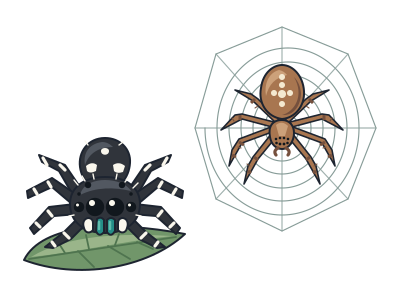
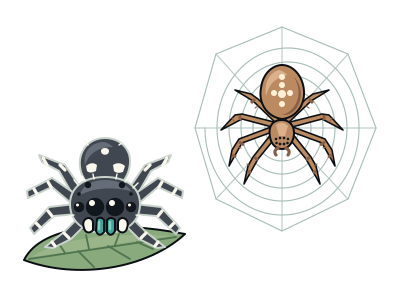
- SpidersEight-legged hunters that spin silk; about 50,000 species, nearly all of them predators.
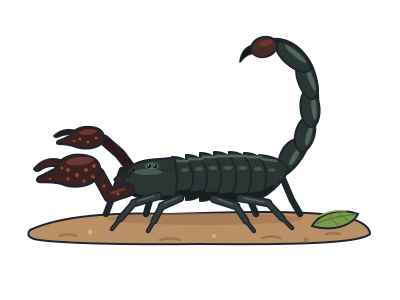
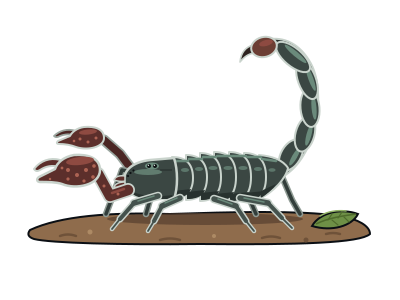
- ScorpionsEight-legged hunters with grasping pincers and a curled tail ending in a sting.
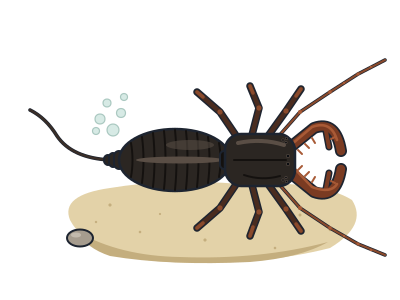
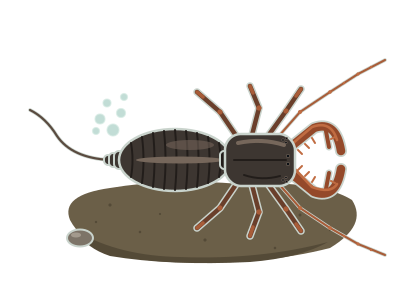
- VinegaroonA whip scorpion with no sting that sprays a vinegar-smelling mist from its tail.
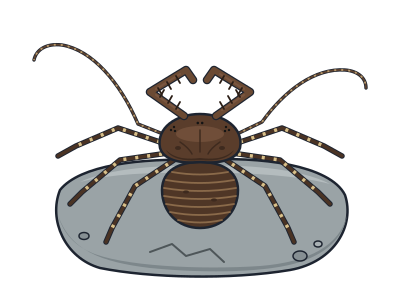
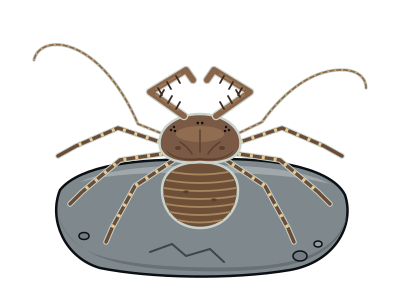
- Tailless whip scorpionA flat arachnid that walks sideways and feels its way with two extremely long, whip-like legs.