A species
Vinegaroon
Mastigoproctus giganteus
A whip scorpion with no sting that fights back with a vinegar-smelling spray.
You and the vinegaroon meet in the Two-sided animals branch, shown at about 580 million years ago (on 11 November, in a calendar from life's shared ancestor to today).
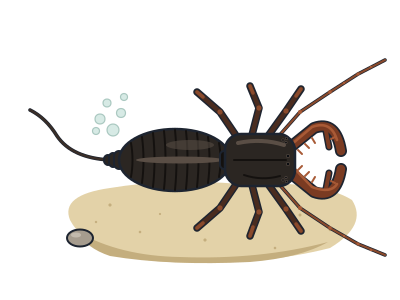
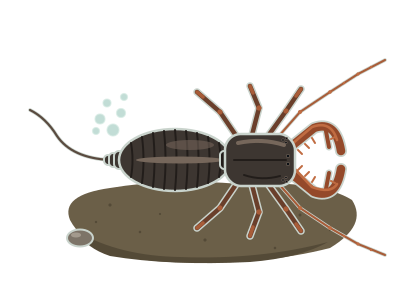
The vinegaroon looks scary, but it has no sting and no venom. When something attacks it, it sprays a fine mist from glands at the base of its long, thin tail. The mist is mostly acetic acid, the chemical that gives vinegar its smell, which is how the vinegaroon got its name. The base of its tail bends very easily, so it can aim the spray almost anywhere, even though it can barely see.
It is called a whip scorpion, but it is not a true scorpion. It belongs to a group of arachnids that also includes tailless whip scorpions, which are also called whip spiders. Together with spiders, they make up a larger group. That makes the vinegaroon a closer relative of spiders than of the scorpions it looks like.
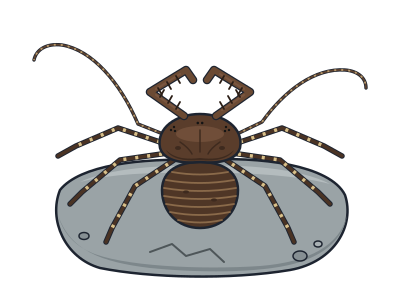
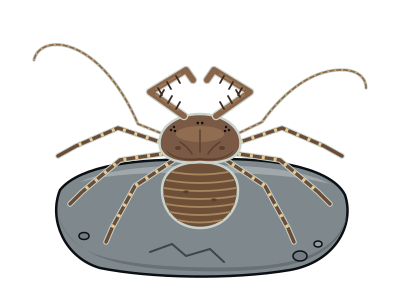
Like a spider, it has eight legs, but it walks on only six. It holds its long, thin front legs up and waves them like antennae to feel its way. It uses big, heavy claws at the front to grab and crush its prey. At night it hunts cockroaches, crickets, millipedes, slugs and worms. By day it hides in a burrow it digs with those claws.
Babies ride on Mum
Newly hatched young climb onto their mother's back and ride there for about a month. They start out white and slowly turn black over three to four weeks.
One name, many species
In 2018 scientists found that what had been called one widespread species was really several separate species. North America went from one known whip scorpion species to seven.
Stronger than kitchen vinegar
The spray is about 16 times stronger than kitchen vinegar and works a bit like pepper spray on a predator's face. If it gets on a person, it can sting the eyes and nose, but soap and water wash it off.
Next to it on the tree
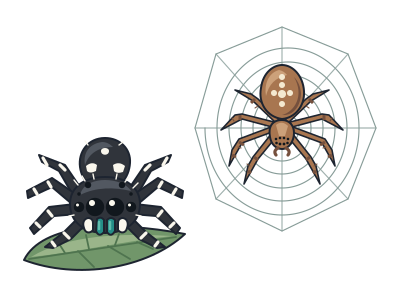
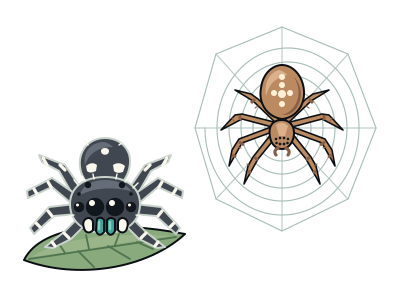
- SpidersEight-legged hunters that spin silk; about 50,000 species, nearly all of them predators.
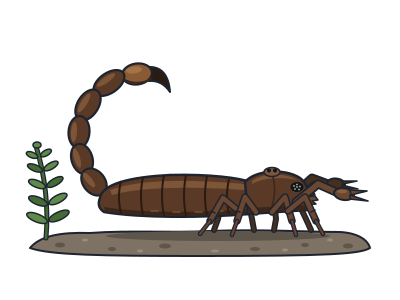
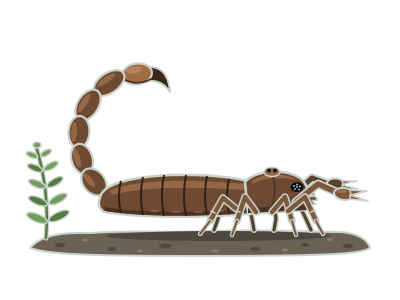
- ScorpionsEight-legged hunters with grasping pincers and a curled tail ending in a sting.
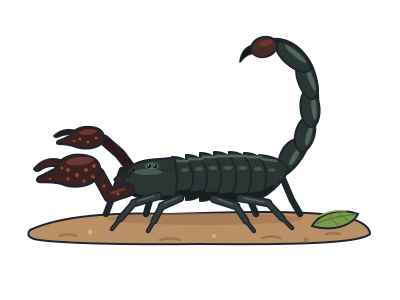
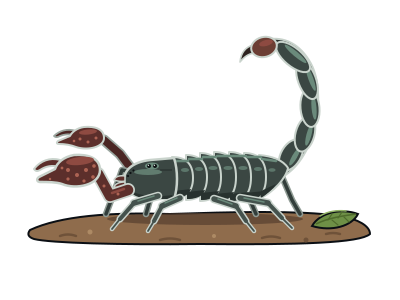
- PulmonoscorpiusA giant land scorpion of the coal-swamp age, as long as a forearm.
- Tailless whip scorpionA flat arachnid that walks sideways and feels its way with two extremely long, whip-like legs.