A species
Carolina wolf spider
Hogna carolinensis
A big, sharp-eyed hunter that pounces on its prey, and a mother that carries her babies piled on her back.
You and the carolina wolf spider meet in the Two-sided animals branch, shown at about 580 million years ago (on 11 November, in a calendar from life's shared ancestor to today).
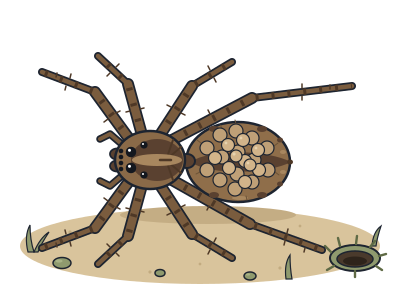
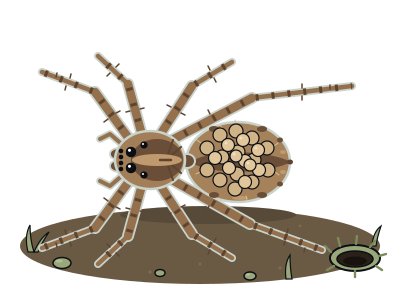
This big, hairy spider does not wait in a web for its dinner. It hunts on foot, using speed and sharp eyes. It often lurks at the edge of its burrow, then dashes out or pounces on passing beetles, crickets, grasshoppers and cockroaches. It is the largest wolf spider in North America. A female's body is about as long as a paperclip, and with her legs spread she can be about as wide as your palm.
On the tree, its relatives include web-building orb-weavers and black widows, as well as jumping spiders. Like jumping spiders, it hunts by sight. Wolf spiders have some of the best eyesight of any spider, with two very large eyes that face forward.
The mother is a devoted carrier. She keeps her round silk egg sac fixed to the tip of her body, so she can go on hunting. When the babies hatch, about 100 or more climb onto her back. The first layer grips special knobbed hairs, and the rest pile on top of their brothers and sisters. They ride along for about one to two weeks, until they can hunt for themselves. Wolf spider mothers may even stop at water so their babies can drink.
A state symbol
In 2000 it became South Carolina's official state spider after a primary school student suggested it.
A cool front door
Its burrow can be up to about 30 cm deep, and the spider often builds a little tower of twigs, grass, leaves and pebbles around the entrance. Down inside, it is about 4 °C cooler than the ground above.
Glowing eyes
Its eyes reflect light. At night, if you shine a torch across the ground, they sparkle back at you like tiny gems.
Next to it on the tree
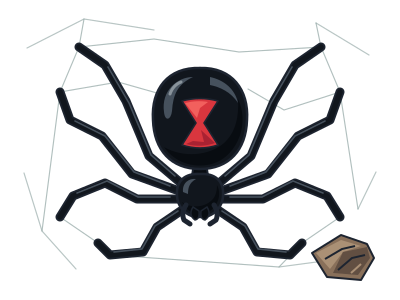
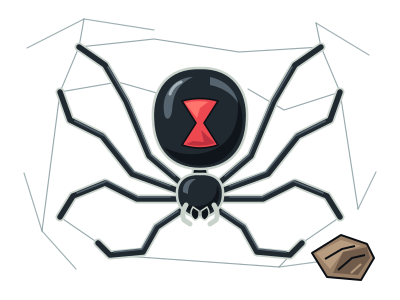
- Southern black widowA shiny black spider with a red hourglass and a strong nerve venom.
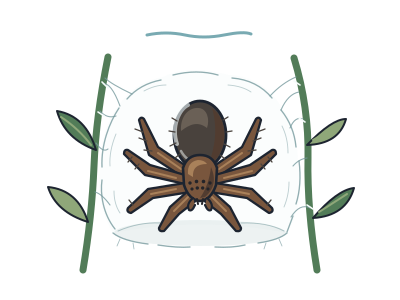
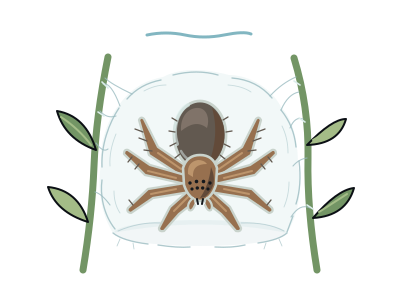
- Diving bell spiderLives underwater in a silk bubble of air that it fills from the surface.
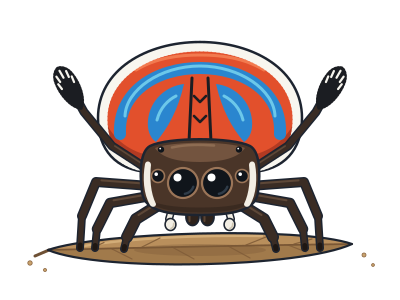
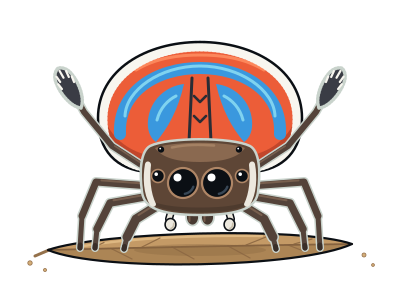
- Jumping spidersThe largest spider family, sharp-eyed hunters that leap onto prey instead of using webs.
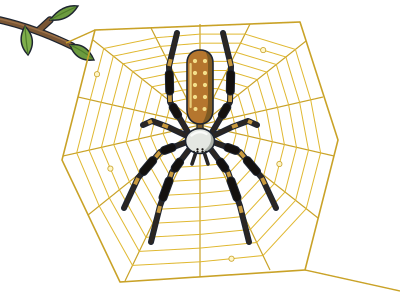
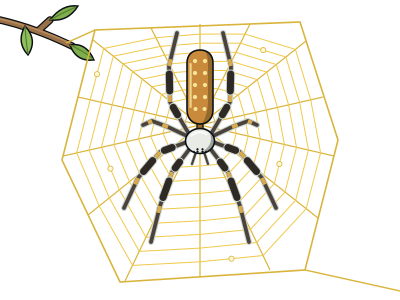
- Orb-weaversThe spiders that spin the classic round web with spokes and a sticky spiral.
- Giant house spiderThe long-legged spider that sprints across the living-room floor in autumn.
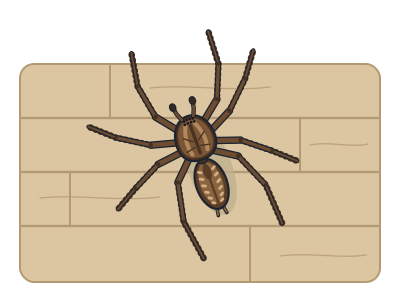
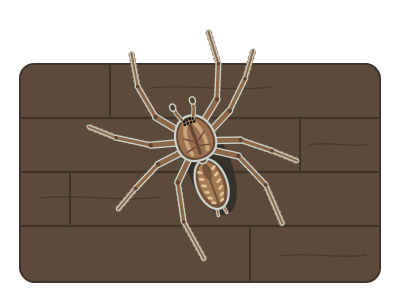
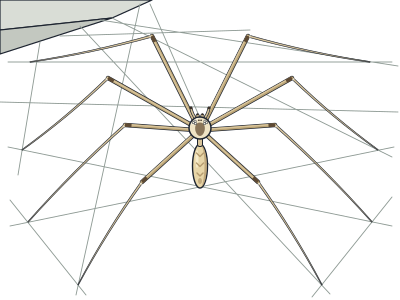
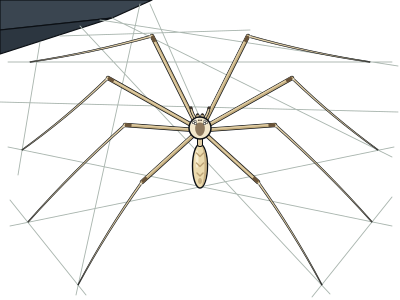
- Daddy long-legs spiderA spindly cellar spider that shakes its web into a blur when disturbed.
- Ogre-faced spiderHas two enormous night-vision eyes and holds a stretchy net to throw over passing insects.
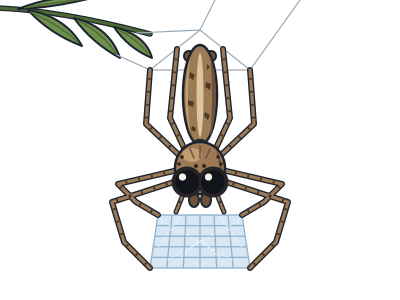
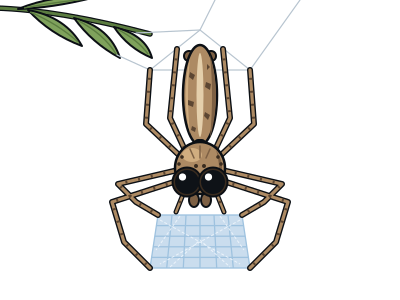
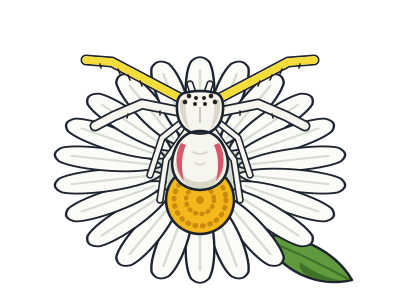
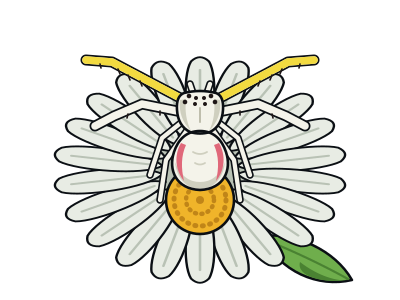
- Goldenrod crab spiderWaits on flowers and slowly changes between white and yellow to match them.