A species
Giant house spider
Eratigena atrica
The long-legged sprinter that dashes across your floor in autumn
You and the giant house spider meet in the Two-sided animals branch, shown at about 580 million years ago (on 11 November, in a calendar from life's shared ancestor to today).
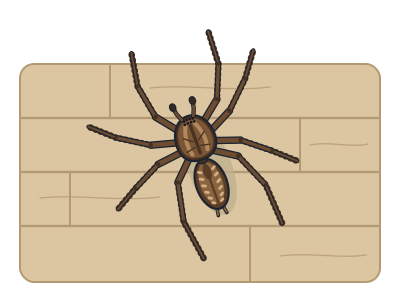
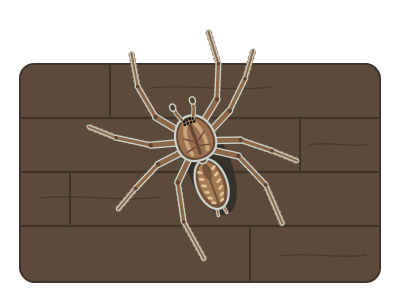
In late summer and autumn, a big brown spider sometimes races across the living-room floor. It is one of the fastest invertebrates in Britain, running at up to about half a metre a second. Most of these sprinters are adult males that have left their webs to look for females. They are not coming in to escape the cold. Many were already living in the building, hidden away. You just notice them more because they are on the move.
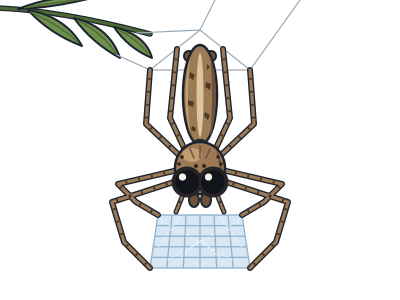
The females stay put all year. Each one builds a flat, messy sheet web with a funnel-shaped hideaway at one end, usually in a garage, shed, loft or gap inside a wall. The silk is not sticky. She waits in the funnel and rushes out when a small insect gets caught.
It is a bigger relative of the smaller domestic house spider. On the tree it sits among other true spiders, including the thin, spindly daddy long-legs spider. That spider hunts other spiders, even surprisingly large house spiders.
Despite its size, this spider's bite is not known to harm people. It rarely bites, and only if it is provoked.
Eight eyes, poor eyesight
It has eight small eyes in two rows, but it sees badly. It can probably only tell light from dark.
Patient survivor
A giant house spider can go for months without eating or drinking.
Stowaway to America
Around 1900, people accidentally carried giant house spiders to the Pacific Northwest of North America. They were mostly a closely related form, and they are now common in homes there.
Next to it on the tree
- Southern black widowA shiny black spider with a red hourglass and a strong nerve venom.
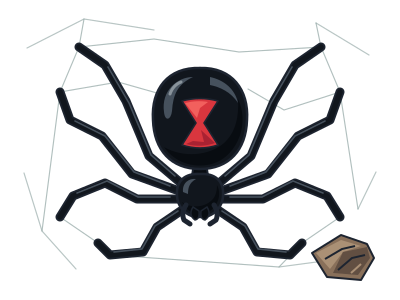
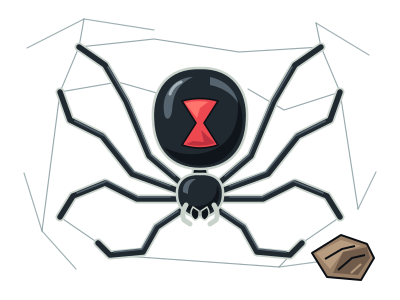
- Diving bell spiderLives underwater in a silk bubble of air that it fills from the surface.
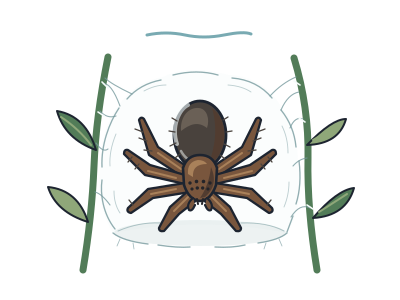
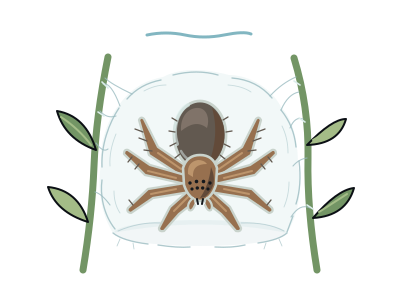
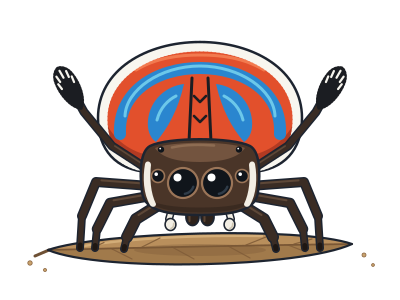
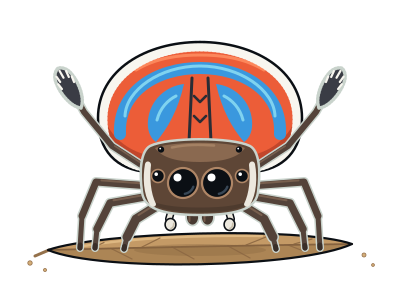
- Jumping spidersThe largest spider family, sharp-eyed hunters that leap onto prey instead of using webs.
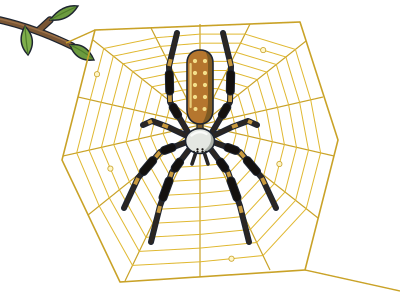
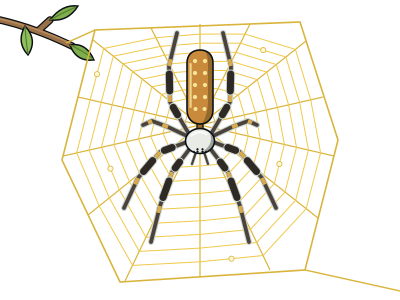
- Orb-weaversThe spiders that spin the classic round web with spokes and a sticky spiral.
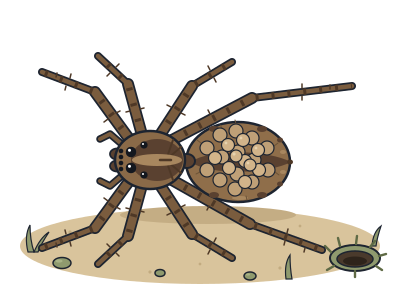
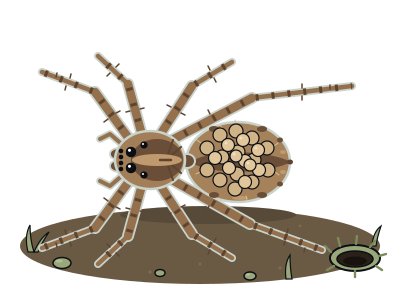
- Carolina wolf spiderA hunter that runs prey down, and the mother carries her babies piled on her back.
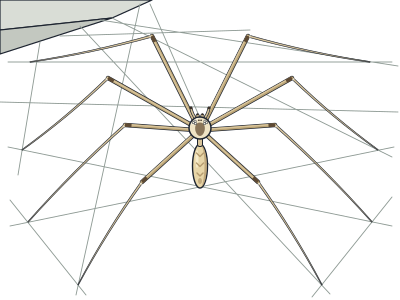
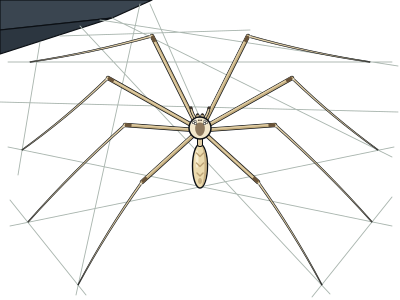
- Daddy long-legs spiderA spindly cellar spider that shakes its web into a blur when disturbed.
- Ogre-faced spiderHas two enormous night-vision eyes and holds a stretchy net to throw over passing insects.
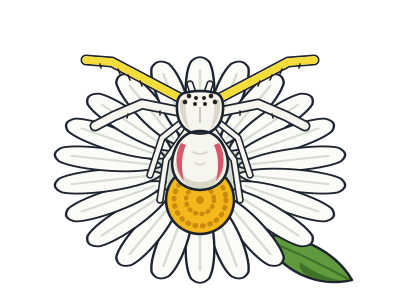
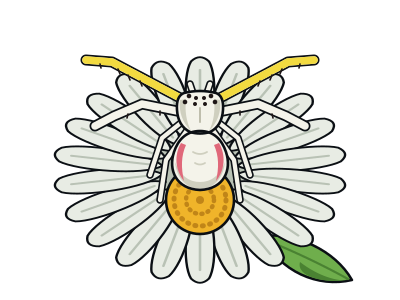
- Goldenrod crab spiderWaits on flowers and slowly changes between white and yellow to match them.