A species
Ogre-faced spider
Deinopis spinosa
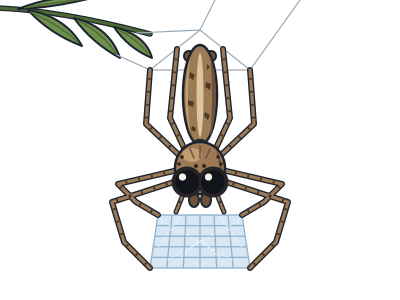
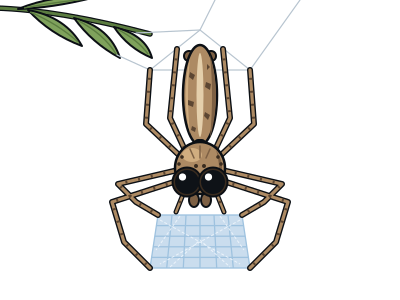
A twig-like spider with headlamp eyes that throws a stretchy silk net at its dinner.
You and the ogre-faced spider meet in the Two-sided animals branch, shown at about 580 million years ago (on 11 November, in a calendar from life's shared ancestor to today).
Two giant eyes stare out of this spider's face like a pair of headlamps. They are the biggest of its eight eyes, and they give it its name. At night it hangs upside down from a small silk frame. It holds a stretchy net between its front legs, ready to throw over a passing insect.
Many other spiders, such as orb-weavers, spin a big round web and wait. This spider throws its net instead. It lunges down to catch insects walking below it, or does a lightning-fast backflip to snatch flying ones behind it. The woolly silk stretches to two or three times its resting size and tangles whatever it touches.
Eyes like these gather dim light even better than a cat's or an owl's. Yet in one experiment, spiders with their eyes covered could still catch flying insects. Spiders have no ears, but this one can pick up the buzz of wings through sensors near the tips of its legs.
By day it keeps perfectly still and looks like a dead twig, often on palm plants. It lives in warm coastal forests of the south-eastern United States, and in the Caribbean and South America. It is not considered dangerous to people.
New eyes every night
A 1978 study of net-casting spiders found that they build a large amount of new light-sensing material inside their big eyes each night, then break it down again at dawn.
Faster than a blink
A strike with the net lasts only about one-thousandth of a second.
Smaller eyes on males
Adult males have much smaller big eyes than females, and a very thin rear body section. This may mean males rely less on sight to find a mate.
Next to it on the tree
- Southern black widowA shiny black spider with a red hourglass and a strong nerve venom.
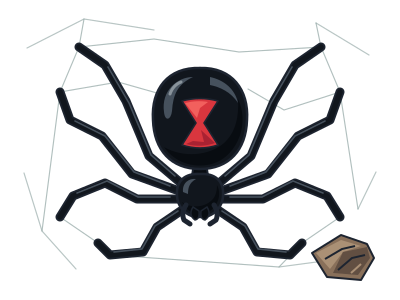
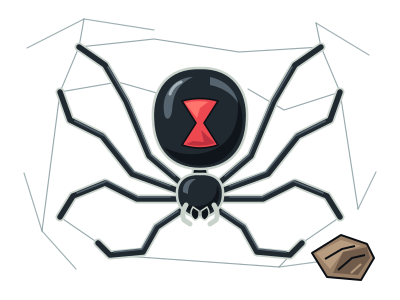
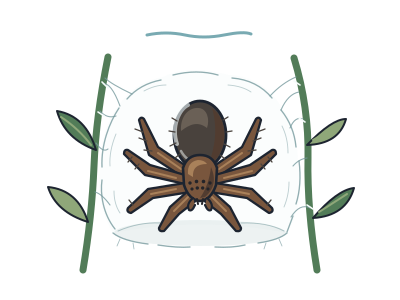
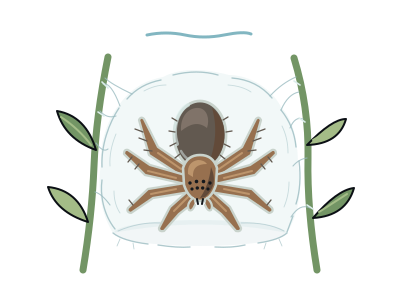
- Diving bell spiderLives underwater in a silk bubble of air that it fills from the surface.
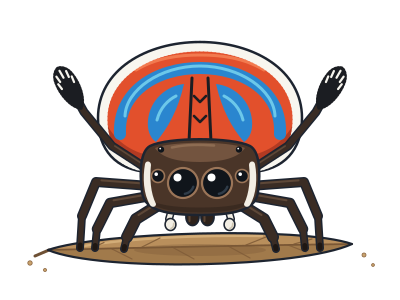
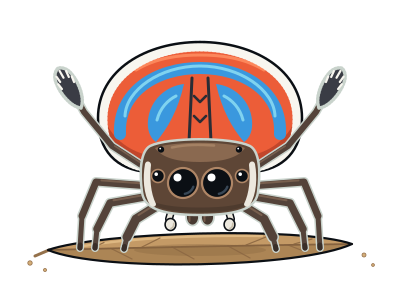
- Jumping spidersThe largest spider family, sharp-eyed hunters that leap onto prey instead of using webs.
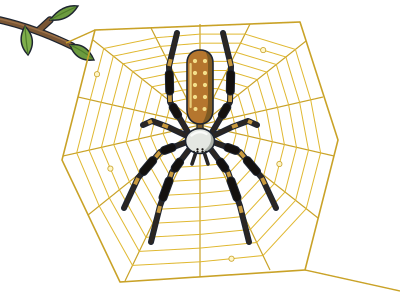
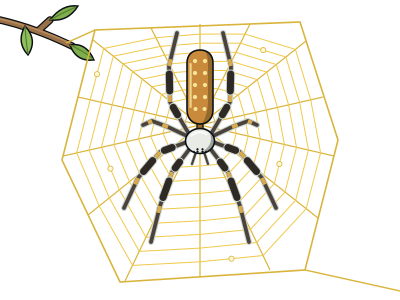
- Orb-weaversThe spiders that spin the classic round web with spokes and a sticky spiral.
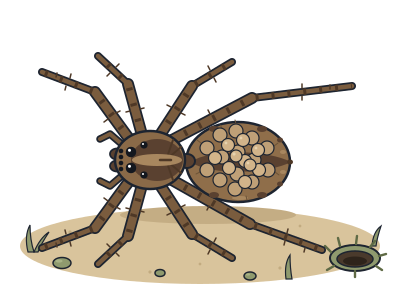
- Carolina wolf spiderA hunter that runs prey down, and the mother carries her babies piled on her back.
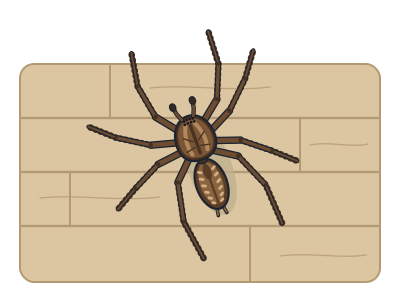
- Giant house spiderThe long-legged spider that sprints across the living-room floor in autumn.
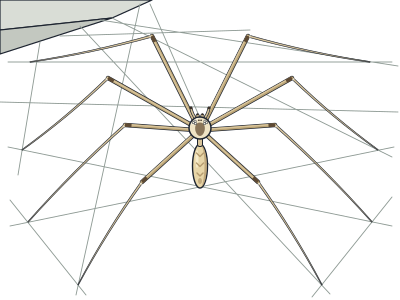
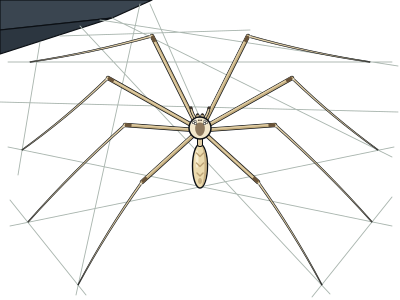
- Daddy long-legs spiderA spindly cellar spider that shakes its web into a blur when disturbed.
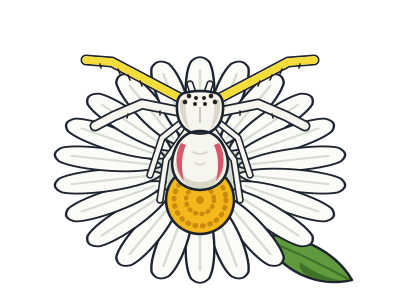
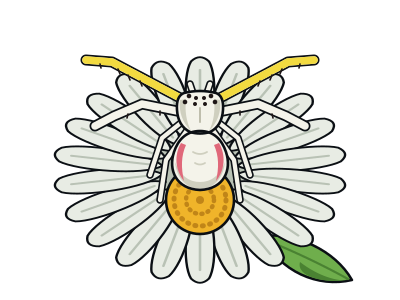
- Goldenrod crab spiderWaits on flowers and slowly changes between white and yellow to match them.