A group of living things
Palms
Arecaceae
The family behind coconuts, dates, palm oil and the biggest seed on Earth
This branch is shown at about 100 million years ago; its age is a rough estimate.
You and palms meet in the Eukaryotes branch, shown at about 1.8 billion years ago (on 28 July, in a calendar from life's shared ancestor to today).
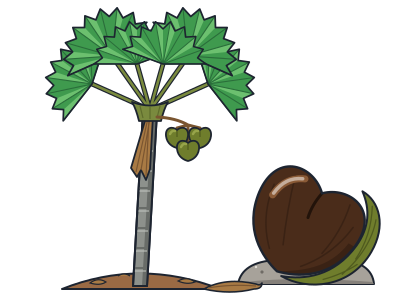
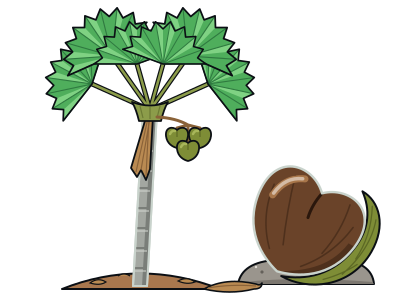
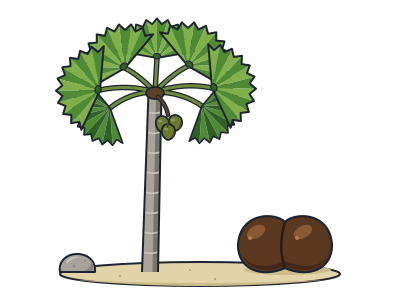
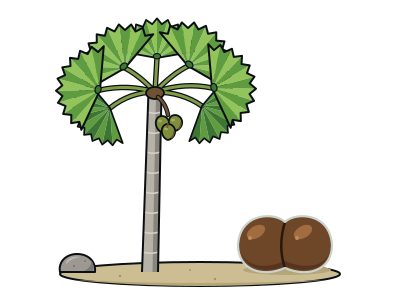
Palms are a big family of about 2,600 kinds. You have probably eaten something from one today, because palms give us coconuts, dates and palm oil. The family also holds a record: the coco de mer grows the biggest seed of any plant. A single seed can weigh about 10 to 25 kilograms. That is as heavy as a young child.
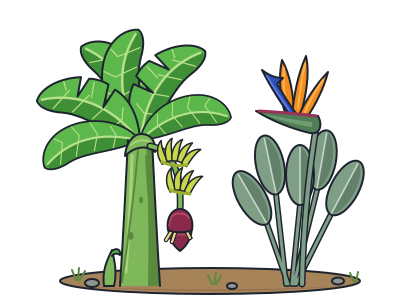
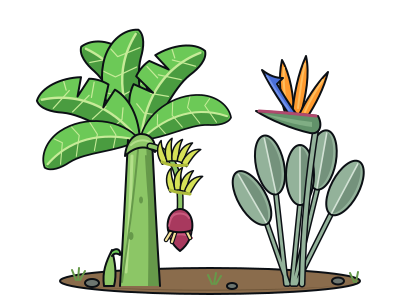
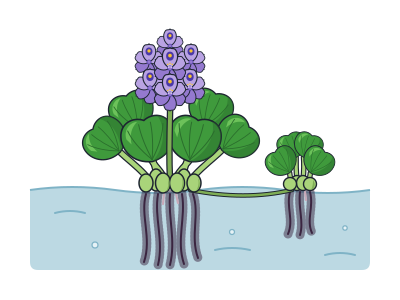
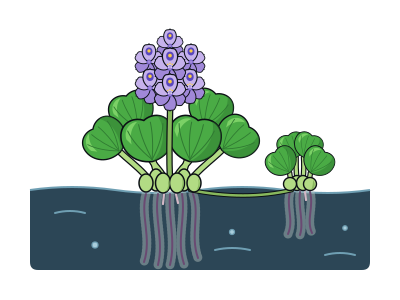
Palms look like trees, but they are not closely related to oaks or gum trees. On the tree of life, their relatives include grasses, bananas, gingers and water hyacinth. A palm trunk also grows differently. It cannot get wider each year the way an oak's trunk does. Instead, each stem grows from a single bud at the very top.
Most palms live in warm places, such as rainforests, beaches and desert oases. A few wild palms grow as far north as Italy and as far south as New Zealand's Chatham Islands. The tallest, the Quindío wax palm, can grow about 60 metres high. That is taller than a 15-storey building.
The coco de mer's name means 'coconut of the sea', but a living seed is too heavy to float. This helps explain why it grows wild on only two islands in the Seychelles. Today it is endangered.
Record-breaking leaves
Raffia palms have the largest leaves of any plant. Each one can be about 25 metres long, which is about as long as two buses parked end to end.
Seeds that woke up
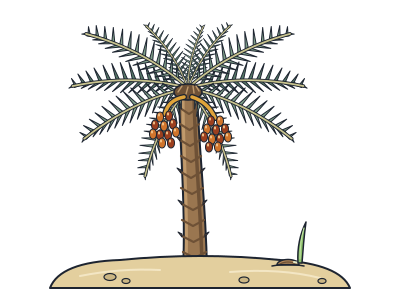
Seven Judean date palm seeds, each about 2,000 years old, have sprouted and grown into trees. People nicknamed the first one 'Methuselah'.
Not all 'palms' are palms
Some plants with 'palm' in their name are not palms at all. The sago palm is a cycad, and the Madagascar palm is a relative of oleanders.
Inside palms
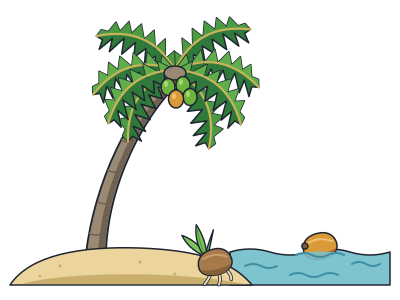
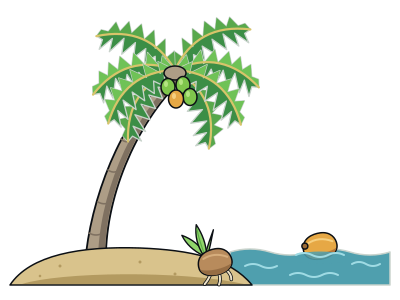
- Coconut palmIts seed can float across oceans for months and still sprout on a distant beach.
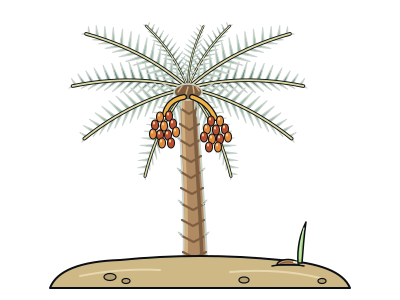
- Date palmA 2,000-year-old seed from Masada was sprouted into a living tree.
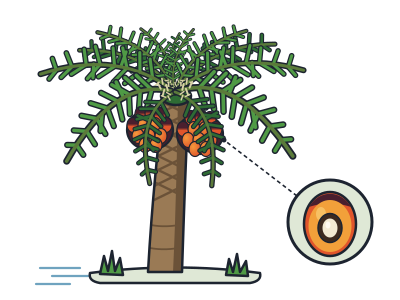
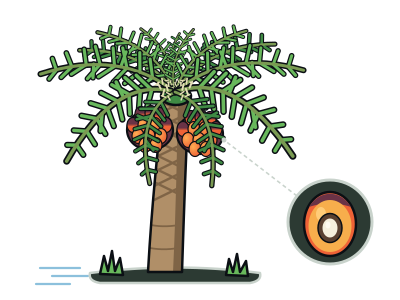
- Oil palmIts fruit makes the world's most used vegetable oil, found in half of supermarket products.
- Coco de merGrows the largest seed of any plant, up to 25 kilograms, on two Seychelles islands.