A group of living things
Ostriches and kin
Palaeognathae
Neighbours are not always the closest family.
This branch is shown at about 80 million years ago; its age is a rough estimate.
You and ostriches and kin meet in the Amniotes branch, shown at about 320 million years ago (on 4 December, in a calendar from life's shared ancestor to today).
The kiwi’s closest known relatives are Madagascar’s giant elephant birds, now extinct—not New Zealand’s moa. Sharing a home country does not mean sharing the closest family connection. Moa have another surprising link: their closest living relatives are the tinamous of the Americas, birds that can fly.
This wider family includes ostriches, emus, cassowaries, rheas, kiwi and tinamous, as well as those extinct giants. Many members cannot fly, but that does not make them one simple flightless branch. Evidence from their genes shows that the ability to fly was lost several separate times within the family.
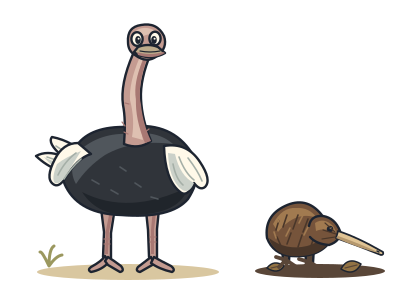
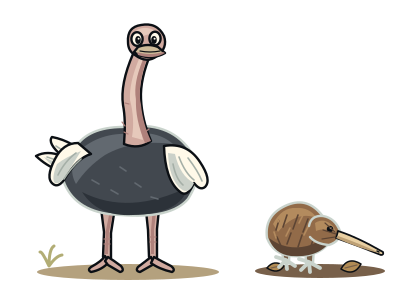
Picture an ostrich beside a kiwi: one towers above most people, while the other is roughly chicken-sized. An ostrich still has substantial wings. It uses them for displays and to help keep its balance while running and changing direction.
Two-toed feet
Ostriches have just two toes on each foot, unlike other living birds.
A weighty egg
An ostrich egg averages about 15 centimetres long and weighs about 1.5 kilograms.
Independent chicks
Kiwi chicks hatch fully feathered and find their own food. Their parents do not feed them.
Inside ostriches and kin
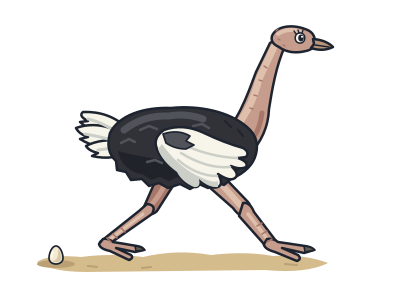
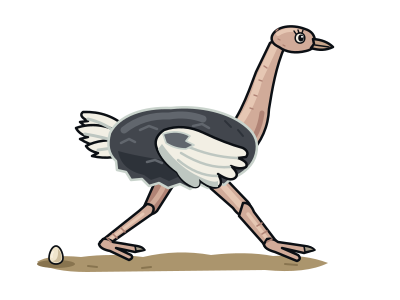
- Common ostrichThe largest living bird lays the largest egg and runs at about 70 km/h.
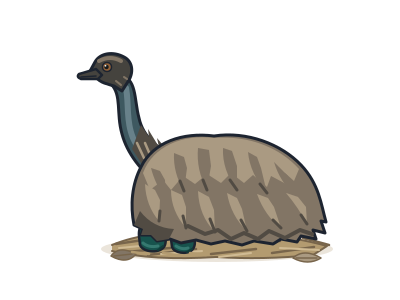
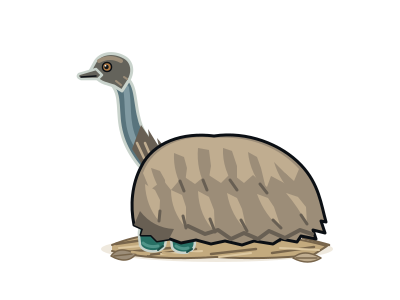
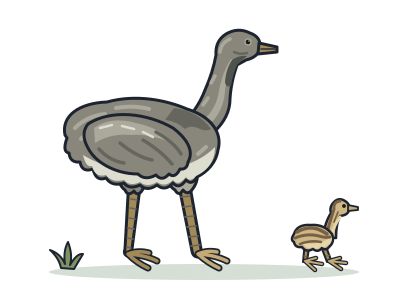
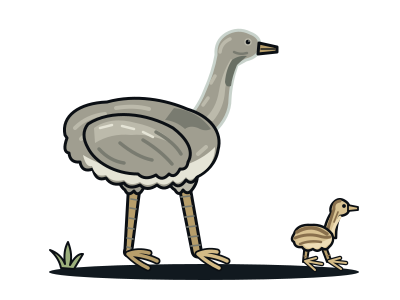
- EmuAustralia's tall runner: the father sits on the eggs for eight weeks.
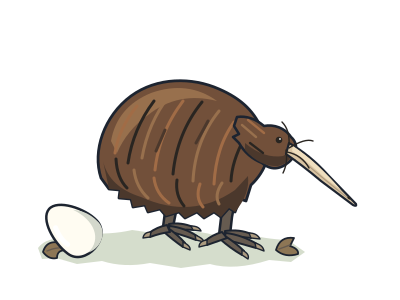
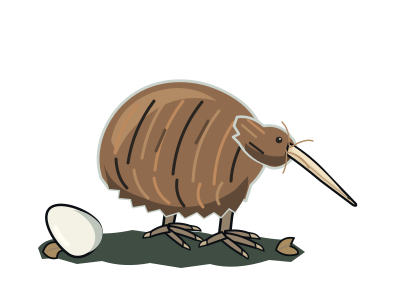
- North Island brown kiwiA hen-sized bird that lays an egg about a fifth of its own weight.
- Elephant birdA 3-metre Madagascar giant whose eggs held as much as 150 hen's eggs.
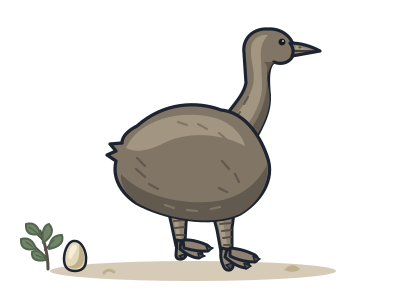
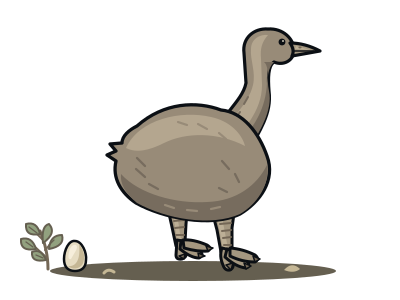
- South Island giant moaA wingless giant up to 3.6 metres tall, hunted out within about 200 years of people arriving.
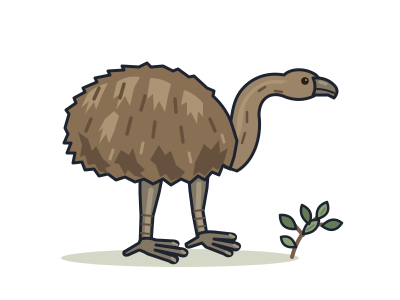
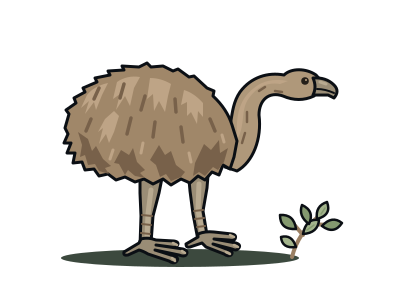
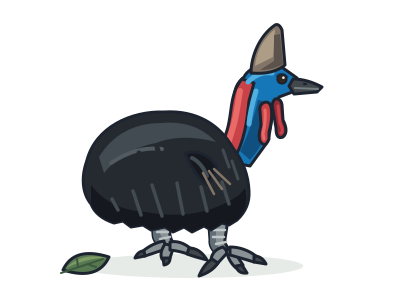
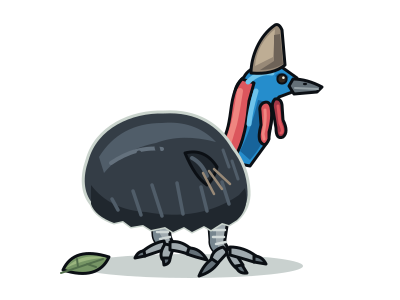
- Southern cassowaryA dinosaur-like rainforest bird with a helmet and a dagger claw on each foot.
- Greater rheaSouth America's big runner; males raise chicks from several females' eggs.
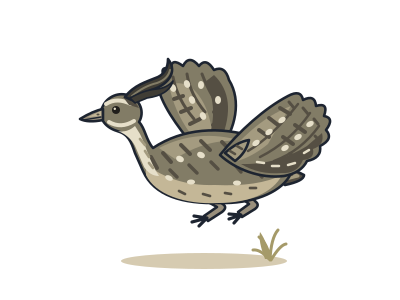
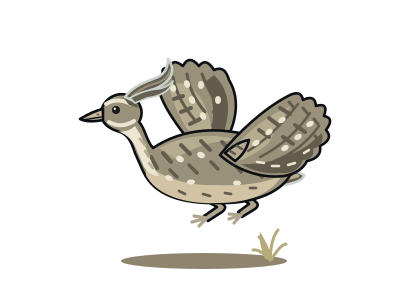
- Elegant crested tinamouA tinamou: a palaeognath that can still fly, and the moa's closest living relative.