An extinct species
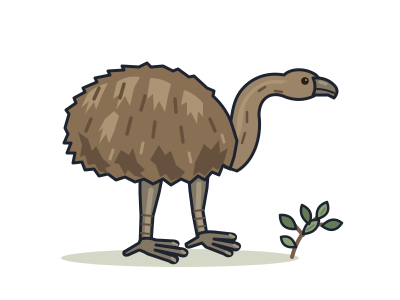
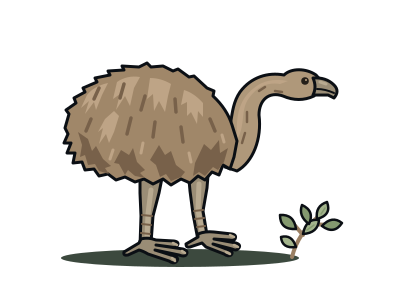
South Island giant moa †
Dinornis robustus
A wingless giant with flying relatives
Lived about 2.6–0.001 million years ago.
You and the south island giant moa meet in the Amniotes branch, shown at about 320 million years ago (on 4 December, in a calendar from life's shared ancestor to today).
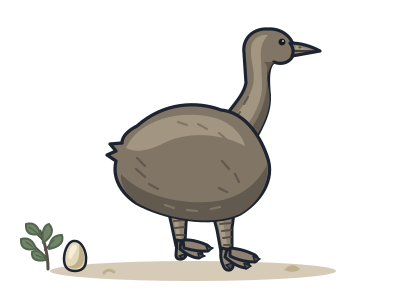
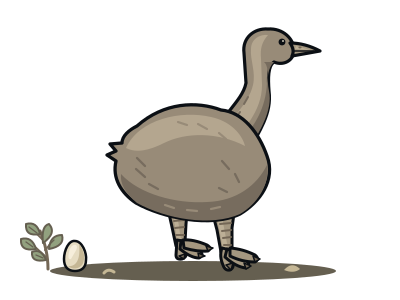
The South Island giant moa was completely wingless, yet its closest living relatives were the flying tinamous of South America—not New Zealand’s kiwi. From its skeleton, scientists estimated that exceptional females could reach leaves about 3.6 metres above the ground. That was an upward reach, not their normal standing height.
These birds lived in New Zealand until about 600 years ago. Their skeletons lacked wing bones altogether, unlike those of other flightless birds. They inhabited forests, shrublands, coastal dunes and mountain grasslands. Their food included leaves, twigs, flowers, berries and seeds, rather than grass alone.
Human hunting and habitat removal drove moa to extinction. Across New Zealand, moa disappeared in little more than 200 years after people arrived, with dated remains supporting extinction by about AD 1450. Their bones and other preserved remains left many clues to their lives.
Much heavier females
Female giant moa could weigh more than twice as much as males.
An eagle hunted them
Before people arrived, Haast’s eagle was their main predator.
Bones became tools
Archaeological sites showed that Māori used moa bones for fishhooks, pendants and tools.
Next to it on the tree
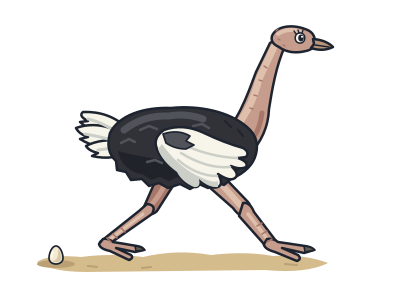
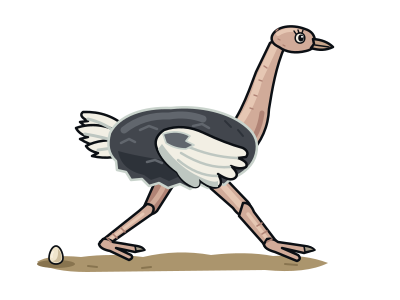
- Common ostrichThe largest living bird lays the largest egg and runs at about 70 km/h.
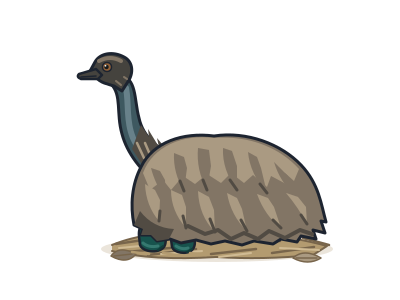
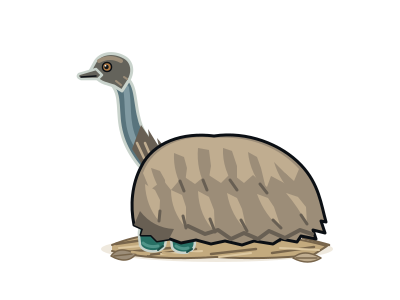
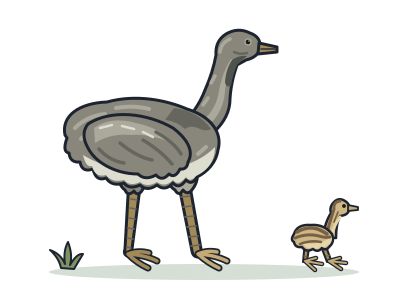
- EmuAustralia's tall runner: the father sits on the eggs for eight weeks.
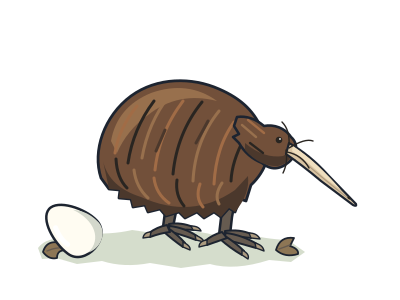
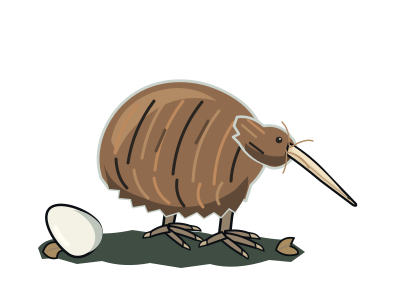
- North Island brown kiwiA hen-sized bird that lays an egg about a fifth of its own weight.
- Elephant birdA 3-metre Madagascar giant whose eggs held as much as 150 hen's eggs.
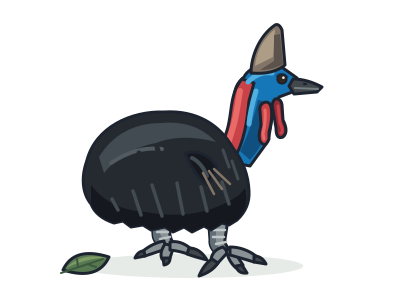
- Southern cassowaryA dinosaur-like rainforest bird with a helmet and a dagger claw on each foot.
- Greater rheaSouth America's big runner; males raise chicks from several females' eggs.
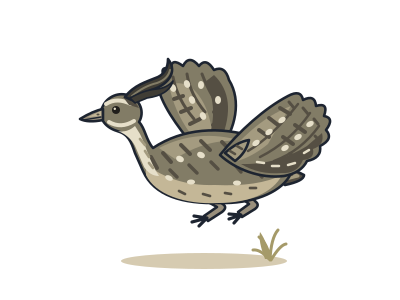
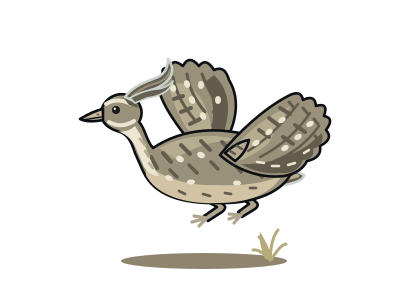
- Elegant crested tinamouA tinamou: a palaeognath that can still fly, and the moa's closest living relative.