A species
Greater rhea
Rhea americana
South America's big runner, with a father-led nursery
You and the greater rhea meet in the Amniotes branch, shown at about 320 million years ago (on 4 December, in a calendar from life's shared ancestor to today).
South America's biggest bird is a runner with an unusual family routine: the male raises chicks from several females' eggs. It belongs to the same broad bird branch as ostriches, emus, cassowaries and kiwis. Surprisingly, that branch also includes tinamous, which can fly. Being part of this family does not mean giving up flight.
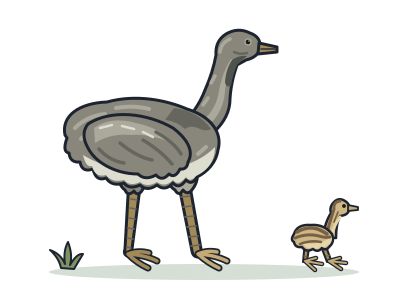
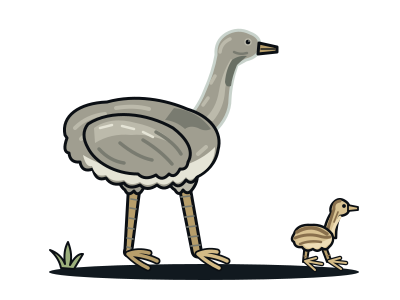
The male makes a shallow nest on the ground and lines it with grass and leaves. Several females lay eggs there, then leave him to keep the eggs warm and raise the chicks alone. Females can move on to lay in other males' nests. The father guards his chicks closely, even driving away female rheas that come too near.
Although it cannot fly, a greater rhea still has useful wings. They help it balance and turn while running, including zigzag turns when threatened. It lives in open grasslands, lightly wooded areas and farmland. Most of its food is plants, but it also eats insects and small animals.
Three-toed feet
Each foot has three toes, unlike an ostrich's two.
Stones for grinding
Swallowed small stones help grind food inside its muscular stomach.
A dusty bath
Rheas bathe in dust, tossing loose earth over their feathers.
Next to it on the tree
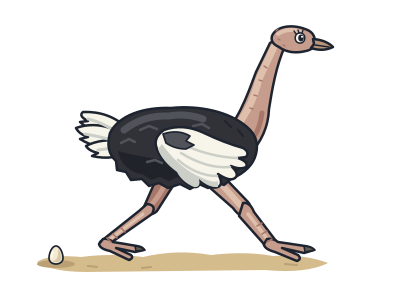
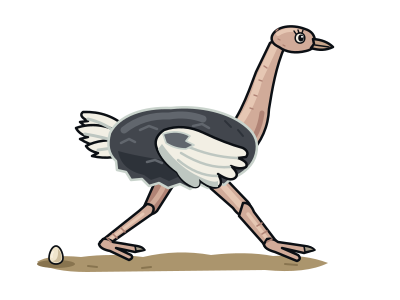
- Common ostrichThe largest living bird lays the largest egg and runs at about 70 km/h.
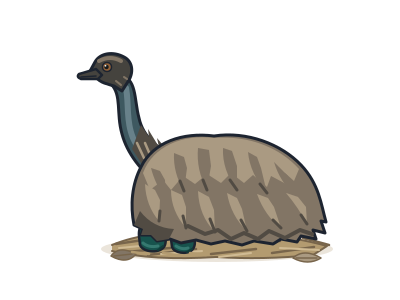
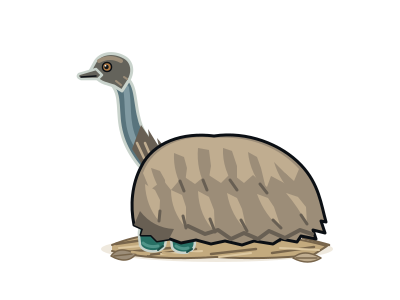
- EmuAustralia's tall runner: the father sits on the eggs for eight weeks.
- North Island brown kiwiA hen-sized bird that lays an egg about a fifth of its own weight.
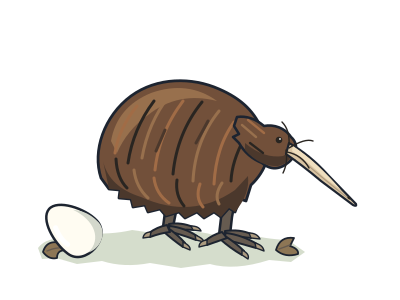
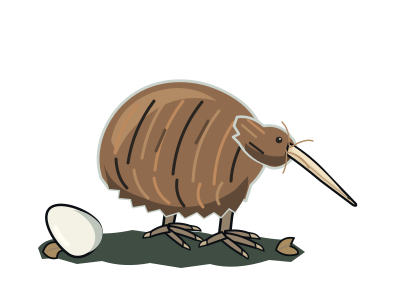
- Elephant birdA 3-metre Madagascar giant whose eggs held as much as 150 hen's eggs.
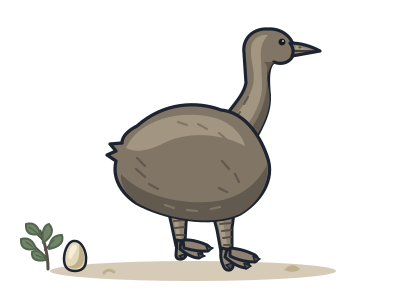
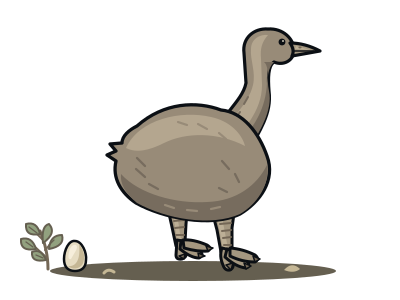
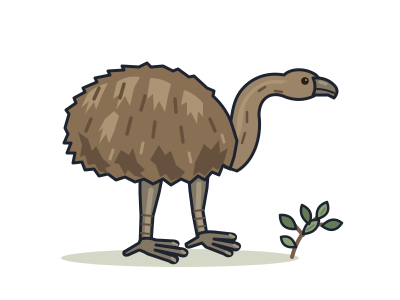
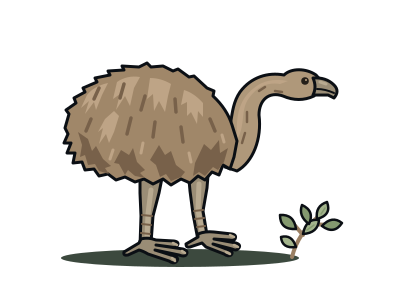
- South Island giant moaA wingless giant up to 3.6 metres tall, hunted out within about 200 years of people arriving.
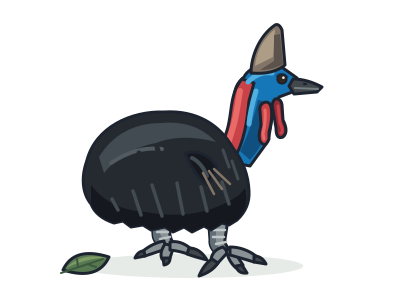
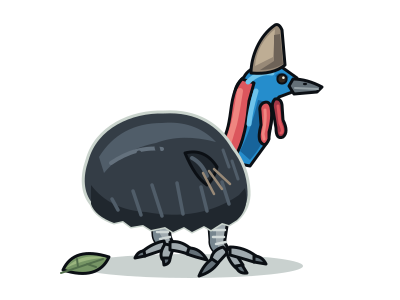
- Southern cassowaryA dinosaur-like rainforest bird with a helmet and a dagger claw on each foot.
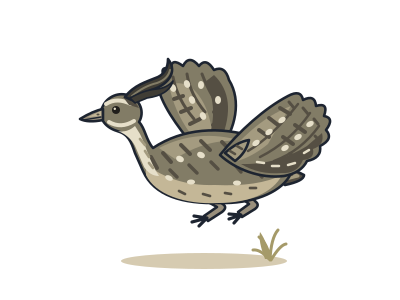
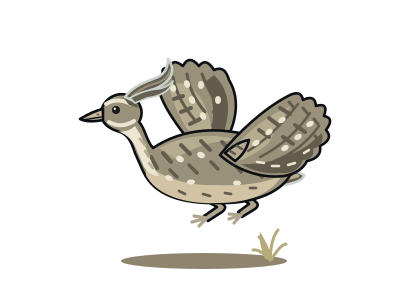
- Elegant crested tinamouA tinamou: a palaeognath that can still fly, and the moa's closest living relative.