An extinct species
Elephant bird †
Aepyornis maximus
A Madagascar giant with enormous eggs and tiny kiwi relatives.
Lived about 2.6–0.001 million years ago.
You and the elephant bird meet in the Amniotes branch, shown at about 320 million years ago (on 4 December, in a calendar from life's shared ancestor to today).
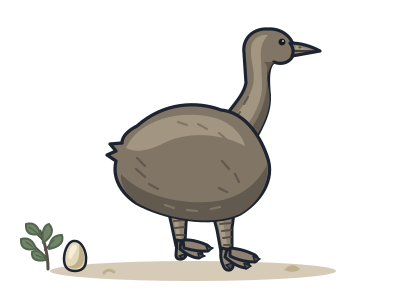
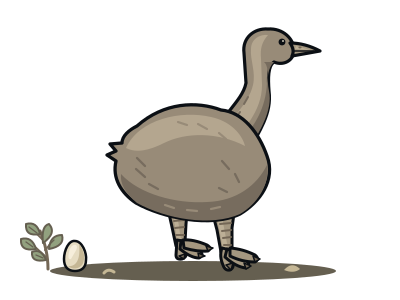
This Madagascar giant could reach about 3 metres tall. Large eggs attributed to it held roughly the volume of 150 hen’s eggs. That compared their volume, not the number it laid. Yet its closest living relatives were not ostriches: they were New Zealand’s much smaller kiwi.
This flightless bird lived on Madagascar, the large island off Africa’s south-eastern coast. It survived until roughly 1,000 years ago, although its exact extinction date remained uncertain. It belonged to the wider bird group that also included ostriches, emus and the extinct moa.
Much of its story came from hard remains, not a preserved bird with feathers. Researchers had incomplete bones and plentiful eggshell to work with. Broken elephant bird shells survived in large numbers on Madagascar’s coastal beaches and dunes. These remains provided evidence of the vanished giants, but did not reveal their original feather colours.
An egg longer than a ruler
Large eggs attributed to this species reached about 34 centimetres long and 25 centimetres wide.
A heavy load
The largest eggs were estimated to have weighed about 10 kilograms when fresh.
A museum puzzle
Canterbury Museum’s whole-looking egg was actually assembled from part of one egg and separate shell fragments.
Next to it on the tree
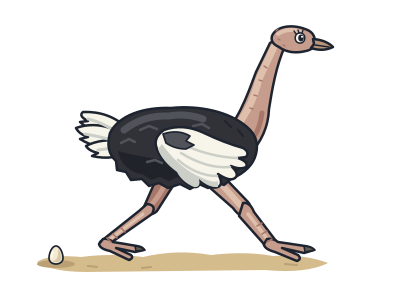
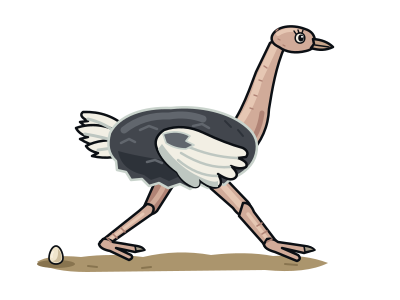
- Common ostrichThe largest living bird lays the largest egg and runs at about 70 km/h.
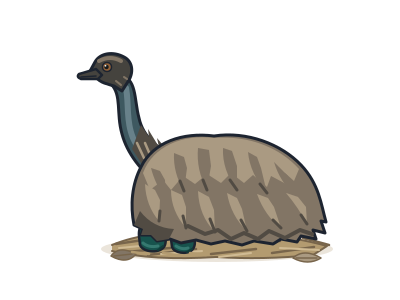
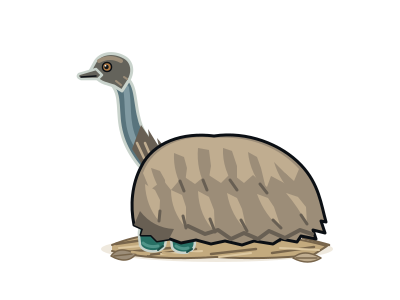
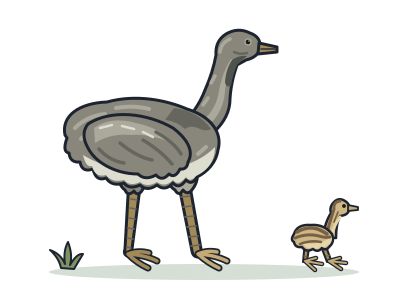
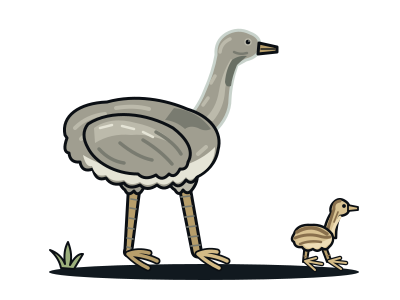
- EmuAustralia's tall runner: the father sits on the eggs for eight weeks.
- North Island brown kiwiA hen-sized bird that lays an egg about a fifth of its own weight.
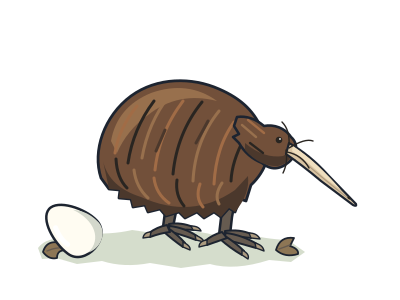
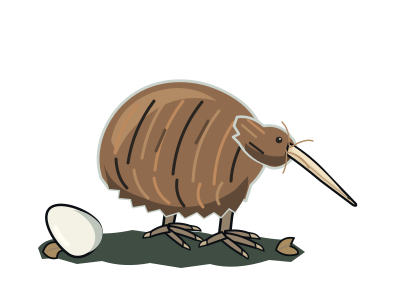
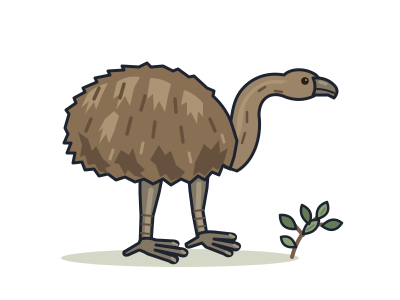
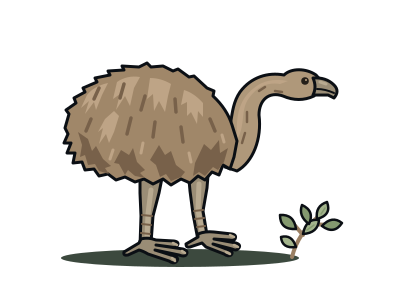
- South Island giant moaA wingless giant up to 3.6 metres tall, hunted out within about 200 years of people arriving.
- Southern cassowaryA dinosaur-like rainforest bird with a helmet and a dagger claw on each foot.
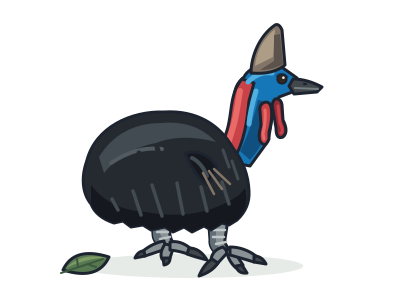
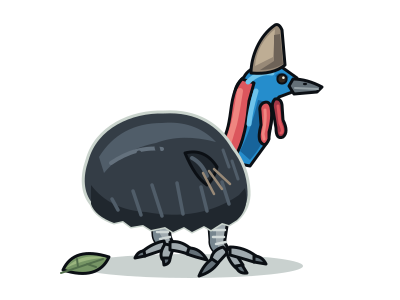
- Greater rheaSouth America's big runner; males raise chicks from several females' eggs.
- Elegant crested tinamouA tinamou: a palaeognath that can still fly, and the moa's closest living relative.