A group of living things
Thrushes, chats and starlings
Muscicapoidea
Songbirds famous for their voices, from nightingales and blackbirds to mimics like mockingbirds.
This branch is shown at about 16 million years ago; its age is a rough estimate.
You and thrushes, chats and starlings meet in the Amniotes branch, shown at about 320 million years ago (on 4 December, in a calendar from life's shared ancestor to today).
AmniotesMammals and their ancestorsMammalsLive-bearing mammalsPlacental mammalsPrimates, rodents and rabbitsPrimatesApesGreat apesHumans and chimpanzeesHumanReptiles and birdsTurtles, crocodiles and birdsCrocodiles and dinosaursPterosaurs and dinosaursDinosaursLizard-hipped dinosaursTheropodsStiff-tailed theropodsFeathered theropodsRaptors and birdsBirdsAll other birdsNeoavesLand birdsFalcons, parrots and songbirdsParrots and songbirdsPerching birdsSongbirdsPasseridesThrushes, chats and starlings
Songbirds famous for their voices, from nightingales and blackbirds to mimics like mockingbirds.
The full page for Thrushes, chats and starlings is still being written and drawn.
Inside thrushes, chats and starlings
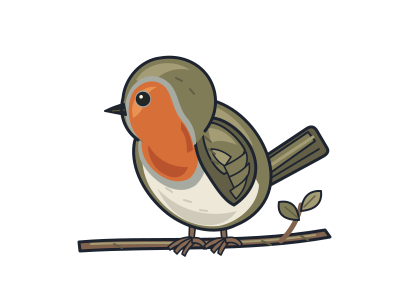
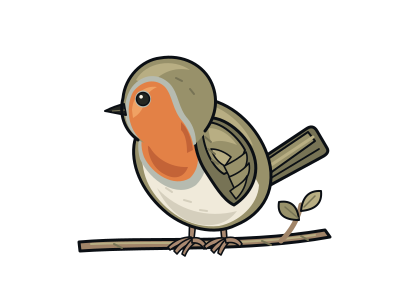
- European robinSenses Earth's magnetic field with its eyes to find its way.
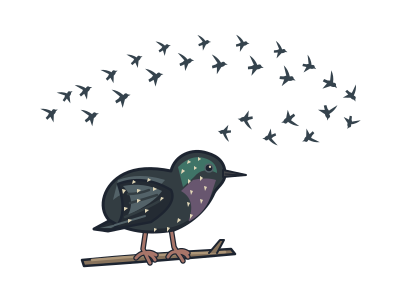
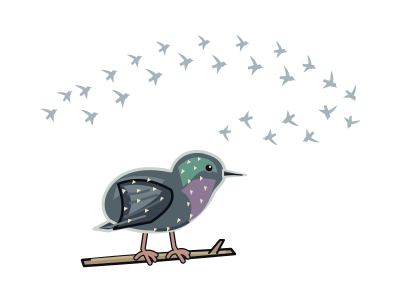
- Common starlingGathers in huge swirling flocks called murmurations.
- American robinA red-breasted thrush named after Europe's robin by homesick settlers; it is really a thrush.
- Common blackbirdCity blackbirds sing earlier, louder and higher than forest ones to beat the noise.
- Common nightingaleA plain brown bird with a famous night song of more than 200 phrases.
- Northern mockingbirdCopies the songs of dozens of other birds, as well as car alarms and squeaky gates.
- White-throated dipperA songbird that walks underwater along stream beds to hunt insect larvae.
Next to it on the tree
- HuiaMales had short, strong beaks and females long, curved ones, so pairs fed in different ways.
- Tits and chickadeesSmall, acrobatic garden birds that hang upside down to feed and nest in holes.
- Larks, swallows and warblersMostly small, insect-eating songbirds, including Old World warblers, larks and bulbuls.
- Eurasian wrenOne of Europe's smallest birds has one of its loudest songs for its size.
- Eurasian nuthatchClimbs down tree trunks head-first, unlike woodpeckers, and plasters its nest hole with mud.
- Sparrows, finches and kinMostly seed-eating songbirds, including sparrows, finches, weavers and the American tanagers.