A species
American robin
Turdus migratorius
A red-breasted thrush named after Europe's robin by homesick settlers; it is really a thrush.
You and the american robin meet in the Amniotes branch, shown at about 320 million years ago (on 4 December, in a calendar from life's shared ancestor to today).
AmniotesMammals and their ancestorsMammalsLive-bearing mammalsPlacental mammalsPrimates, rodents and rabbitsPrimatesApesGreat apesHumans and chimpanzeesHumanReptiles and birdsTurtles, crocodiles and birdsCrocodiles and dinosaursPterosaurs and dinosaursDinosaursLizard-hipped dinosaursTheropodsStiff-tailed theropodsFeathered theropodsRaptors and birdsBirdsAll other birdsNeoavesLand birdsFalcons, parrots and songbirdsParrots and songbirdsPerching birdsSongbirdsPasseridesThrushes, chats and starlingsAmerican robin
A red-breasted thrush named after Europe's robin by homesick settlers; it is really a thrush.
The full page for American robin is still being written and drawn.
Next to it on the tree
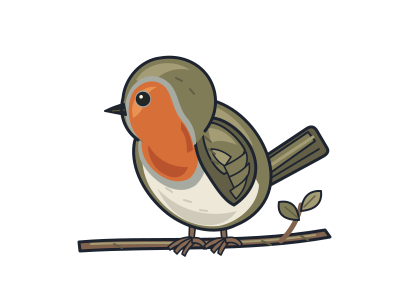
- European robinSenses Earth's magnetic field with its eyes to find its way.
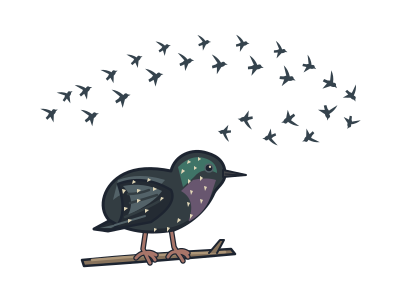
- Common starlingGathers in huge swirling flocks called murmurations.
- Common blackbirdCity blackbirds sing earlier, louder and higher than forest ones to beat the noise.
- Common nightingaleA plain brown bird with a famous night song of more than 200 phrases.
- Northern mockingbirdCopies the songs of dozens of other birds, as well as car alarms and squeaky gates.
- White-throated dipperA songbird that walks underwater along stream beds to hunt insect larvae.