A group of living things
True flies
Diptera
Insects that fly on one pair of wings, steadied by two tiny balancers
This branch is shown at about 250 million years ago; its age is a rough estimate.
You and true flies meet in the Two-sided animals branch, shown at about 580 million years ago (on 11 November, in a calendar from life's shared ancestor to today).
Most winged insects have two pairs of wings. True flies use just one, and a few have lost their wings altogether. The back pair has shrunk into two tiny knobs shaped like drumsticks, called halteres. They are not useless leftovers. They beat very fast while the fly is flying, and they sense when its body starts to turn. That lets the fly correct its flight in an instant and pull off amazing stunts in the air.
Many insects called 'flies' are not true flies at all. Dragonflies, mayflies and fireflies belong to other groups. True flies are relatives of beetles, butterflies and bees. Like them, they go through a complete change from egg to larva to pupa to adult, and fly larvae have no true legs. Fleas and scorpionflies are thought to be among their closest living relatives.
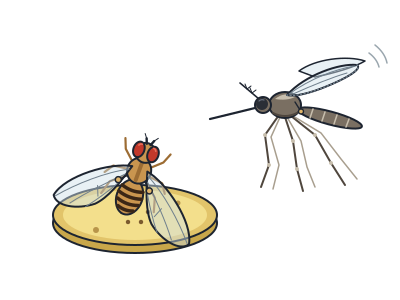
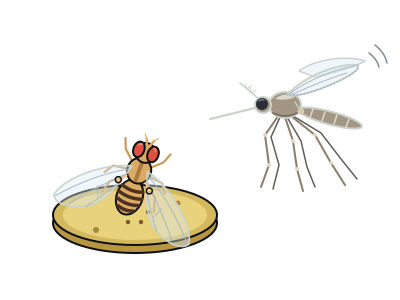
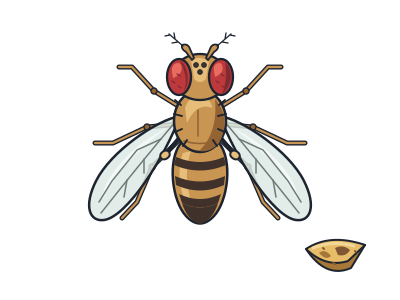
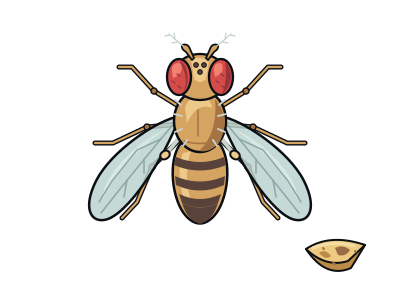
This group includes the fruit fly and the mosquito. A fruit fly is only about 2.5 mm long, with bright brick-red eyes. A mosquito is slender, with very long, thin legs. Male and female mosquitoes both sip nectar. In blood-feeding kinds, only the females bite, because they need blood to make eggs.
Flies live on every continent, even Antarctica, where a tiny wingless midge survives. They are found in almost every land and freshwater habitat. There are more known kinds of fly than kinds of fish, reptiles, amphibians, birds and mammals put together.
A master gene for wings
In fruit flies, one master gene steers the tiny balancers to grow as balancers instead of wings. When scientists changed how that gene works in the right part of the body, the flies grew a full second pair of wings.
Thank a fly for chocolate
Tiny midges are important pollinators of the cacao tree, which gives us chocolate. Overall, flies are the second-biggest group of pollinators after bees, wasps and their relatives.
A tiny lab superstar
About three-quarters of known human disease genes have a recognisable match in the fruit fly. Scientists who worked with fruit flies have won at least six Nobel Prizes.
Inside true flies
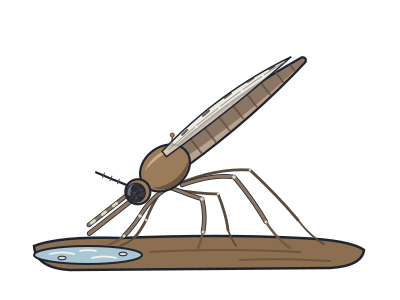
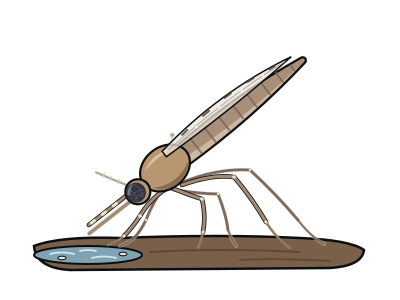
- Malaria mosquitoBy carrying malaria, it may be the deadliest animal to humans.
- Fruit flyA kitchen fly that taught scientists how genes build bodies.
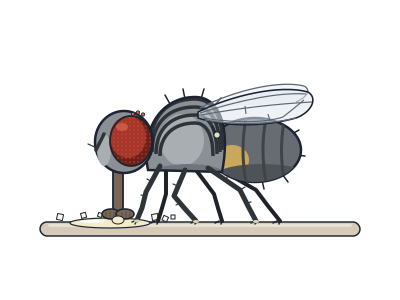
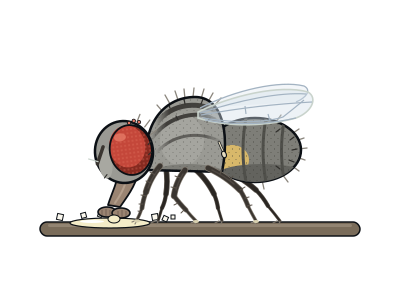
- HouseflyTastes with its feet and spits on food before sucking it up.
- Giant crane flyA daddy-long-legs with patterned wings; its larvae are leatherjackets in the soil.
- HoverfliesFlies dressed as bees and wasps that can hover still in mid-air.
- Hornet robberflyAn agile hunter that catches other insects in flight.
- Stalk-eyed flyMales have eyes on long stalks and size each other up eye to eye.
- Black soldier flyIts larvae turn food waste into animal feed and are farmed by the tonne.
- New Zealand glowwormGnat larvae that glow on cave ceilings and hang sticky threads to catch insects.
Next to it on the tree
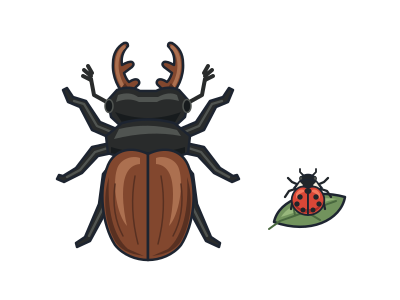
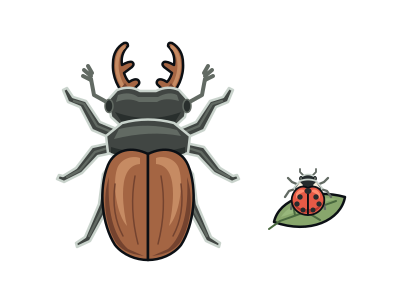
- BeetlesInsects with hard front wings like armour; about one in four animal species is a beetle.
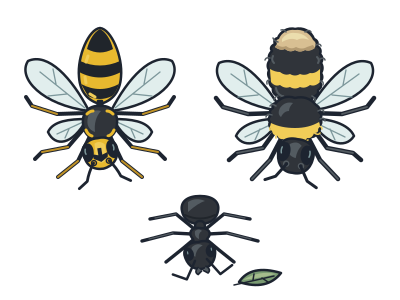
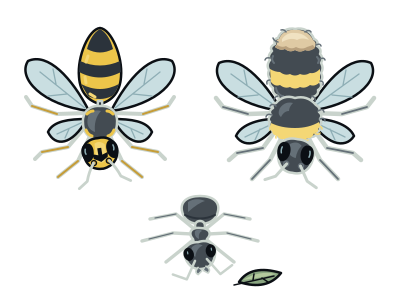
- Bees, wasps and antsAnts and bees are both specialised wasps.
- Butterflies and mothsWings covered in tiny scales; butterflies are just one branch of the moths.
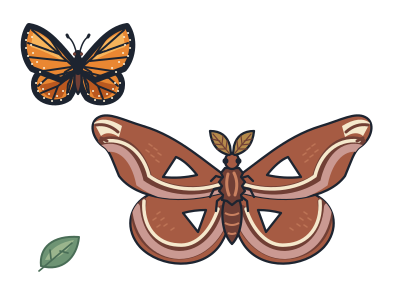
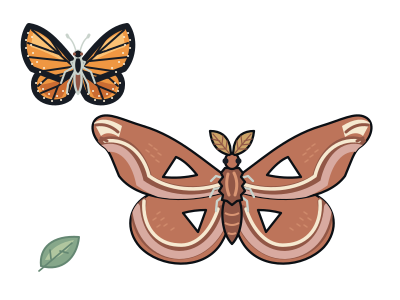
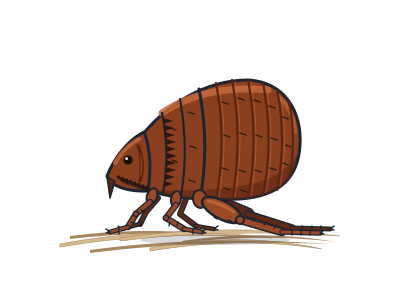
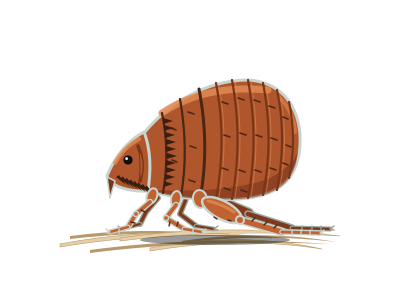
- Cat fleaA wingless insect that can jump over a hundred times its body length.
- Lacewings and kinNet-winged insects whose larvae are fierce hunters, from aphid lions to antlions.
- Great red sedgeIts larva builds a portable tube of plant bits glued with silk, a case it carries everywhere.
- Common scorpionflyMales have a curled tail tip like a scorpion's sting, but it is harmless.
- ColeopsisThe oldest known beetle relative, from 295-million-year-old rocks in Germany.