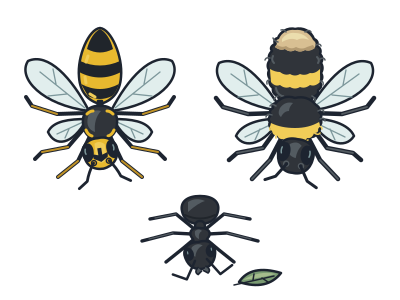
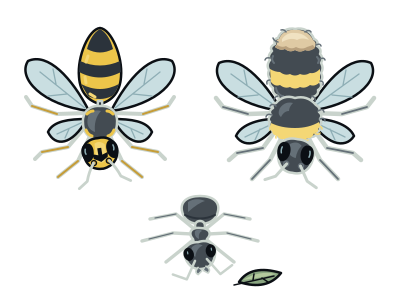
A group of living things
Bees, wasps and ants
Hymenoptera
A wasp family with familiar surprises.
This branch is shown at about 280 million years ago; its age is a rough estimate.
You and bees, wasps and ants meet in the Two-sided animals branch, shown at about 580 million years ago (on 11 November, in a calendar from life's shared ancestor to today).
Ants and bees are both specialised wasps. That describes their place in the family tree, rather than what we usually call them. An ant walking across a path and a bee visiting a flower belong within the wider stinging-wasp branch. Their familiar names can hide this family connection.
Bees, ants and narrow-waisted wasps share a pinched connection between body sections. But their bodies change greatly as they grow. Each begins as an egg, then becomes a larva, a pupa and finally an adult. A young bee or ant is not simply a miniature version of the adult you recognise.
A busy colony is only one way to live. Most species in the narrow-waisted branch live alone, rather than in colonies with queens and workers. In Australia, members of this wider insect group occupy nearly every kind of land habitat, including soil, fallen leaves and flowering vegetation.
Wings that hook together
Winged members generally have four thin wings. Tiny hooks join each smaller rear wing to the wing in front during flight.
Paper made from wood
Common wasps build paper nests from chewed wood. Other wasps use different nest designs.
Not really flies
This group also includes sawflies. Despite their name, they are not true flies.
Inside bees, wasps and ants
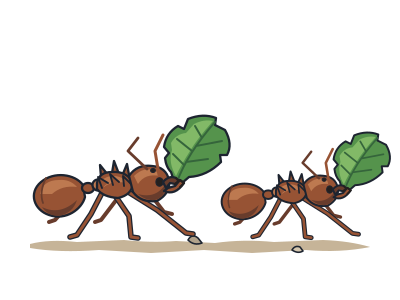
- AntsSocial wasps that gave up wings for most of their lives and built colonies of millions.
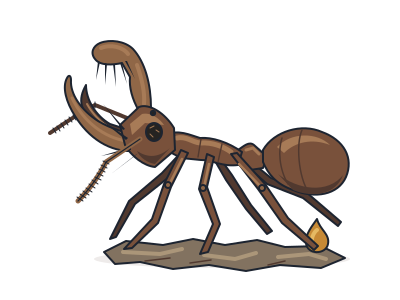
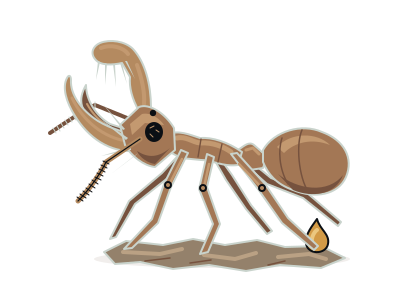
- Hell antA Cretaceous ant with a horn and jaws that snapped upwards, preserved in amber.
- BeesWasps that turned vegetarian, feeding their young on pollen instead of prey.
- Hornets and paper waspsWasps that chew wood into paper, from solitary potters to colonies of thousands.
- Giant woodwaspA harmless sawfly relative that drills into pine with a long egg-laying tube.
- Fig waspA tiny wasp that pollinates figs from the inside, in a partnership tens of millions of years old.
Next to it on the tree
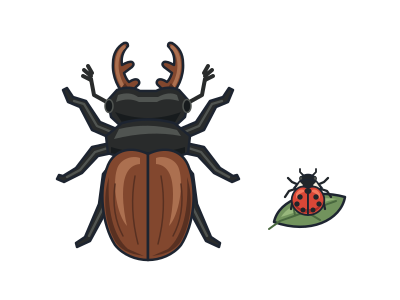
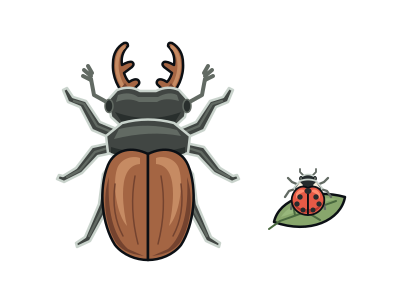
- BeetlesInsects with hard front wings like armour; about one in four animal species is a beetle.
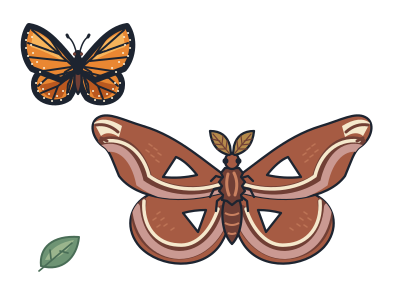
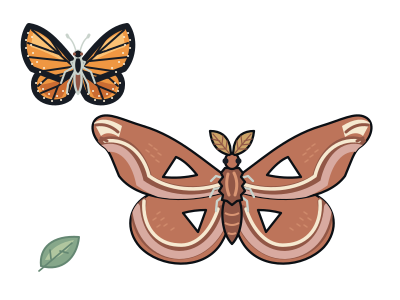
- Butterflies and mothsWings covered in tiny scales; butterflies are just one branch of the moths.
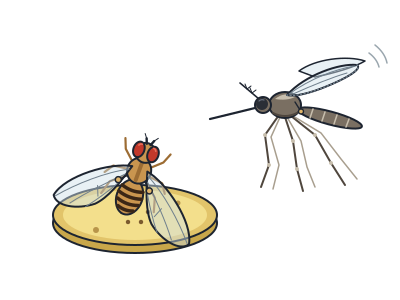
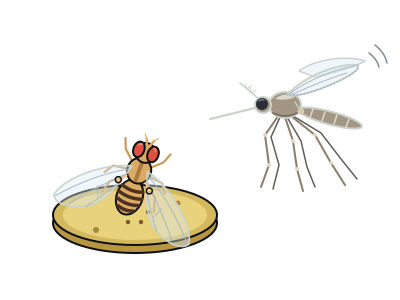
- True fliesInsects with one pair of wings; the back pair became tiny balancers.
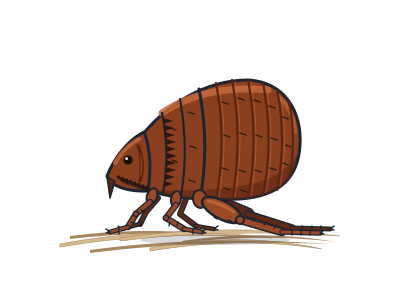
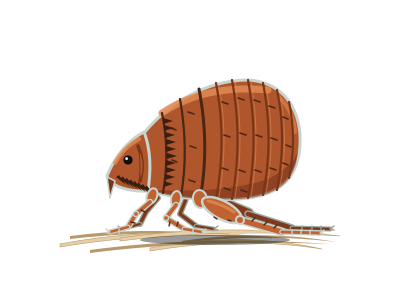
- Cat fleaA wingless insect that can jump over a hundred times its body length.
- Lacewings and kinNet-winged insects whose larvae are fierce hunters, from aphid lions to antlions.
- Great red sedgeIts larva builds a portable tube of plant bits glued with silk, a case it carries everywhere.
- Common scorpionflyMales have a curled tail tip like a scorpion's sting, but it is harmless.
- ColeopsisThe oldest known beetle relative, from 295-million-year-old rocks in Germany.