A group of living things
Hornets and paper wasps
Vespidae
Wasps that chew wood into paper, from solitary potters to colonies of thousands.
This branch is shown at about 90 million years ago; its age is a rough estimate.
You and hornets and paper wasps meet in the Two-sided animals branch, shown at about 580 million years ago (on 11 November, in a calendar from life's shared ancestor to today).
Two-sided animalsStarfish, sea squirts and usChordatesVertebratesJawed vertebratesBony fish and their descendantsLobe-finned fishFish on the way to landFour-limbed animalsAmniotesMammals and their ancestorsMammalsLive-bearing mammalsPlacental mammalsPrimates, rodents and rabbitsPrimatesApesGreat apesHumans and chimpanzeesHumanMouth-first animalsMoulting animalsArthropods and kinArthropodsCrustaceans and insectsInsectsWinged insectsInsects with full metamorphosisBees, wasps and antsHornets and paper wasps
Wasps that chew wood into paper, from solitary potters to colonies of thousands.
The full page for Hornets and paper wasps is still being written and drawn.
Inside hornets and paper wasps
- Common waspBuilds a paper nest from chewed wood and hunts pests in summer.
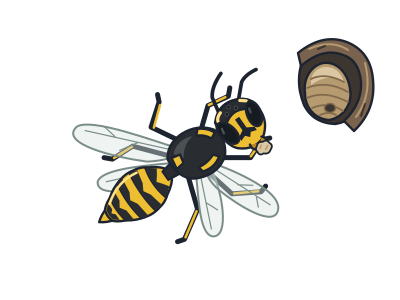
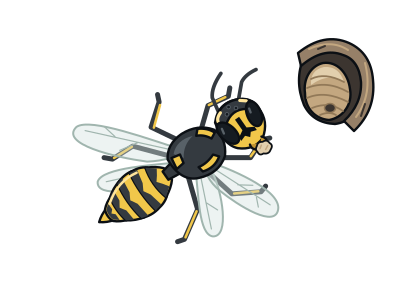
- European hornetA big, fairly calm wasp that hunts by night as well as by day.
- Northern giant hornetThe largest hornet; Japanese honeybees defend their hives by mobbing it in a ball and overheating it.
- European paper waspBuilds an open, umbrella-shaped paper nest and has spread from Europe across North America.
- Heath potter waspA solitary wasp that builds a tiny clay pot on a heather stem for each egg.
Next to it on the tree
- AntsSocial wasps that gave up wings for most of their lives and built colonies of millions.
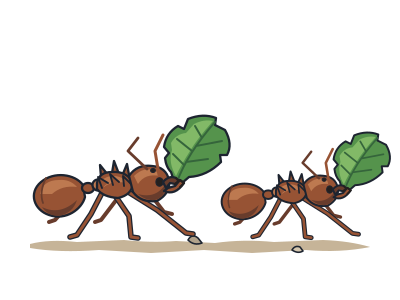
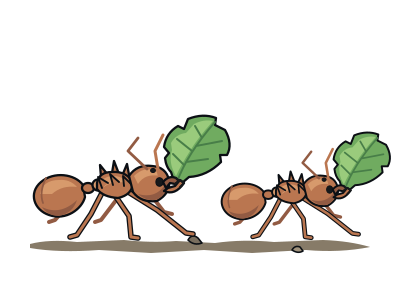
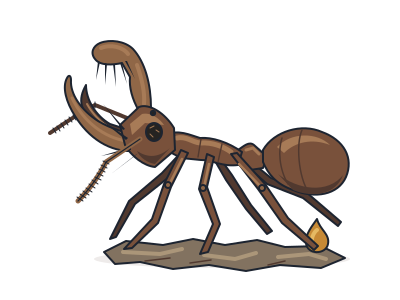
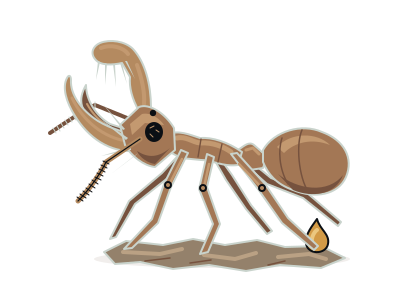
- Hell antA Cretaceous ant with a horn and jaws that snapped upwards, preserved in amber.
- BeesWasps that turned vegetarian, feeding their young on pollen instead of prey.
- Giant woodwaspA harmless sawfly relative that drills into pine with a long egg-laying tube.
- Fig waspA tiny wasp that pollinates figs from the inside, in a partnership tens of millions of years old.