A species
Common scorpionfly
Panorpa communis
Males have a curled tail tip like a scorpion's sting, but it is harmless.
You and the common scorpionfly meet in the Two-sided animals branch, shown at about 580 million years ago (on 11 November, in a calendar from life's shared ancestor to today).
Two-sided animalsStarfish, sea squirts and usChordatesVertebratesJawed vertebratesBony fish and their descendantsLobe-finned fishFish on the way to landFour-limbed animalsAmniotesMammals and their ancestorsMammalsLive-bearing mammalsPlacental mammalsPrimates, rodents and rabbitsPrimatesApesGreat apesHumans and chimpanzeesHumanMouth-first animalsMoulting animalsArthropods and kinArthropodsCrustaceans and insectsInsectsWinged insectsInsects with full metamorphosisCommon scorpionfly
Males have a curled tail tip like a scorpion's sting, but it is harmless.
The full page for Common scorpionfly is still being written and drawn.
Next to it on the tree
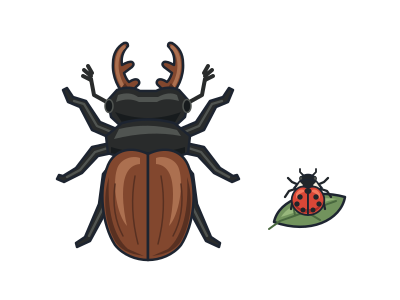
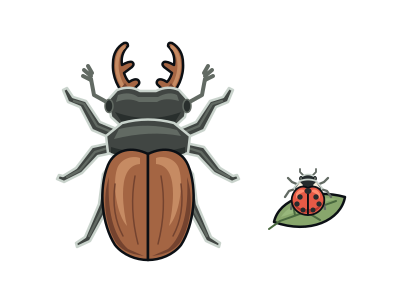
- BeetlesInsects with hard front wings like armour; about one in four animal species is a beetle.
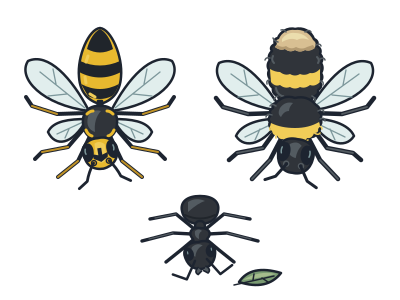
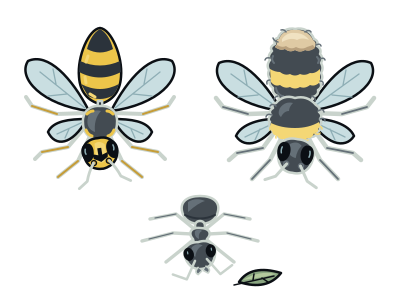
- Bees, wasps and antsAnts and bees are both specialised wasps.
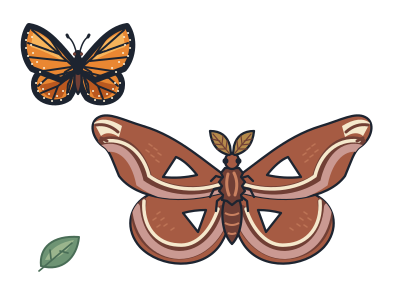
- Butterflies and mothsWings covered in tiny scales; butterflies are just one branch of the moths.
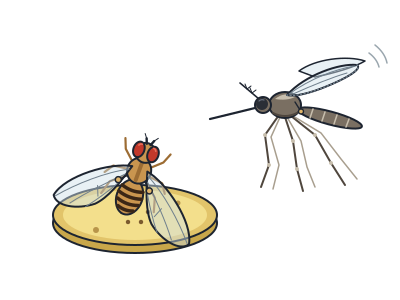
- True fliesInsects with one pair of wings; the back pair became tiny balancers.
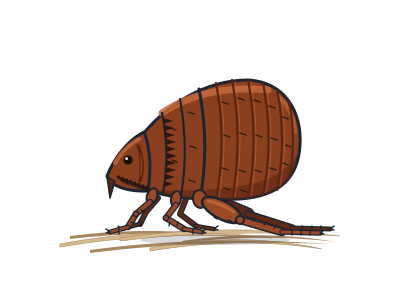
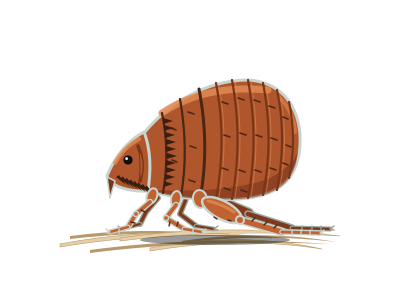
- Cat fleaA wingless insect that can jump over a hundred times its body length.
- Lacewings and kinNet-winged insects whose larvae are fierce hunters, from aphid lions to antlions.
- Great red sedgeIts larva builds a portable tube of plant bits glued with silk, a case it carries everywhere.
- ColeopsisThe oldest known beetle relative, from 295-million-year-old rocks in Germany.