A species
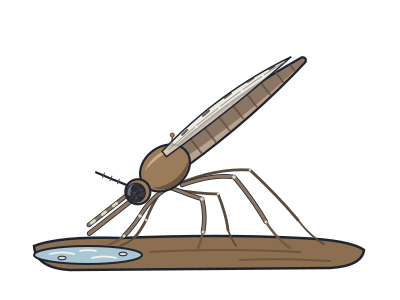
Malaria mosquito
Anopheles gambiae
A tiny fly that may be the deadliest animal to people
You and the malaria mosquito meet in the Two-sided animals branch, shown at about 580 million years ago (on 11 November, in a calendar from life's shared ancestor to today).
This small, delicate mosquito may be the deadliest animal to people. The bite itself does not kill. The danger is a tiny parasite that females can carry from one person to the next, and that parasite causes malaria. In 2024, malaria spread by this mosquito and its relatives killed about 610,000 people. Most of those deaths were in Africa, and many were children under five.
Surprisingly, it is a true fly, a relative of the housefly and the fruit fly. Like them, it flies with just one pair of wings. Its back pair has shrunk into tiny knobs that help it balance.
Only females bite. They need the protein and iron in blood to make their eggs. Their saliva helps stop the blood from clotting, and people often don't feel the bite. Females usually feed late in the evening or at night, often indoors. That is why bed nets treated with insecticide protect people so well.
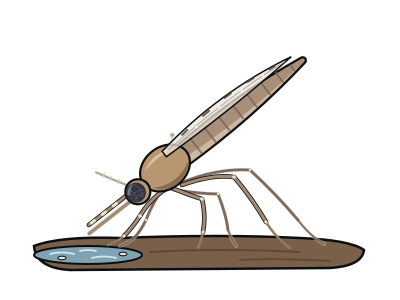
Its young grow in shallow, sunny puddles left by rain, even in tyre tracks and hoof prints. When an adult lands, it tilts its body up steeply, so it looks as if it is doing a headstand.
Read early
In 2002 it became one of the first insects to have its full genome published. That is about 278 million DNA 'letters', with about 14,000 genes that make proteins.
Quick to grow up
It takes only about 10 to 14 days to go from egg to flying adult. The egg, larva and pupa stages all live in water.
Hidden twins
It has close sibling species that look almost identical. One of them breeds in longer-lasting water such as rice fields, while this one prefers short-lived rain pools.
Next to it on the tree
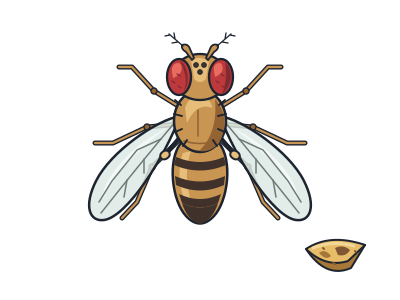
- Fruit flyA kitchen fly that taught scientists how genes build bodies.
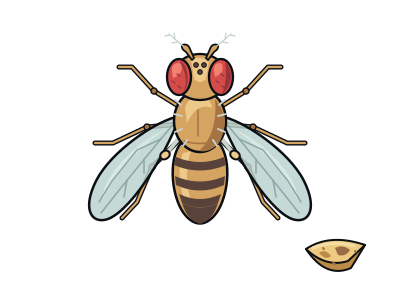
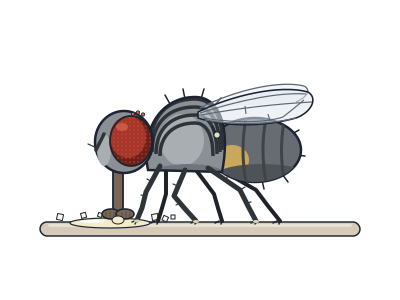
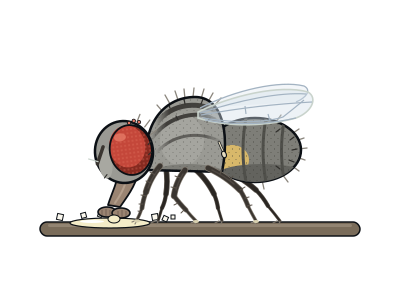
- HouseflyTastes with its feet and spits on food before sucking it up.
- Giant crane flyA daddy-long-legs with patterned wings; its larvae are leatherjackets in the soil.
- HoverfliesFlies dressed as bees and wasps that can hover still in mid-air.
- Hornet robberflyAn agile hunter that catches other insects in flight.
- Stalk-eyed flyMales have eyes on long stalks and size each other up eye to eye.
- Black soldier flyIts larvae turn food waste into animal feed and are farmed by the tonne.
- New Zealand glowwormGnat larvae that glow on cave ceilings and hang sticky threads to catch insects.