A species
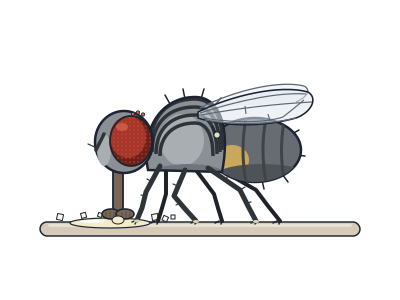
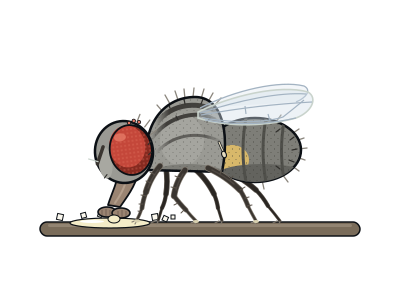
Fruit fly
Drosophila melanogaster
A kitchen fly that helped explain how genes build bodies.
You and the fruit fly meet in the Two-sided animals branch, shown at about 580 million years ago (on 11 November, in a calendar from life's shared ancestor to today).
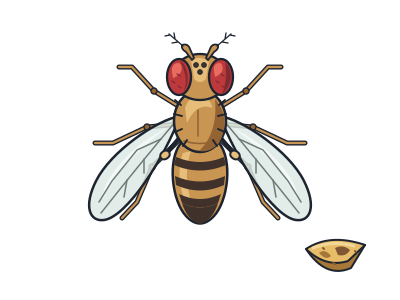
This familiar kitchen fly helped scientists discover how genes tell a growing body which parts to build and where to put them. Humans have relatives of these fly genes, helping guide the development of structures including our limbs. That does not mean we build identical bodies. Related genes help organise very different shapes. In flies, certain gene changes can even produce four wings instead of the usual two.
Its place beside houseflies and mosquitoes on the tree reflects another connection: all belong to the true flies. Their shared flying design uses just one pair of wings. The back pair has become two tiny, club-shaped organs that help them balance in flight.
The young look very different from their parents: they are tiny white, legless maggots. Yeasts and bacteria living in rotting fruit are important food for them. So the name ‘fruit fly’ does not mean the young simply eat fruit flesh.
Five eyes
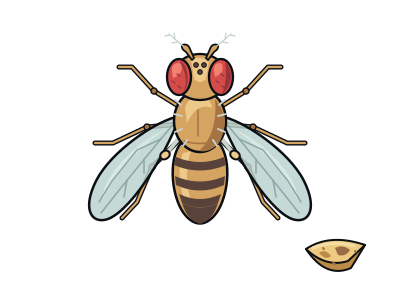
Adults have two large eyes made of many tiny viewing units, plus three much smaller simple eyes.
Almost worldwide
This species occurs on every continent except Antarctica. Humans have helped it spread.
A confusing name
Also called a vinegar fly, it belongs to a different family from the ‘true fruit flies’ that include many crop pests.
Next to it on the tree
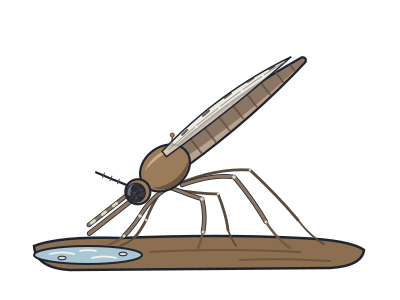
- Malaria mosquitoBy carrying malaria, it may be the deadliest animal to humans.
- HouseflyTastes with its feet and spits on food before sucking it up.
- Giant crane flyA daddy-long-legs with patterned wings; its larvae are leatherjackets in the soil.
- HoverfliesFlies dressed as bees and wasps that can hover still in mid-air.
- Hornet robberflyAn agile hunter that catches other insects in flight.
- Stalk-eyed flyMales have eyes on long stalks and size each other up eye to eye.
- Black soldier flyIts larvae turn food waste into animal feed and are farmed by the tonne.
- New Zealand glowwormGnat larvae that glow on cave ceilings and hang sticky threads to catch insects.