An extinct species
Archaeolepis †
Archaeolepis mane
One of the oldest moth fossils: scaly wings from about 190 million years ago, found in Dorset.
Lived about 200–193 million years ago.
You and the archaeolepis meet in the Two-sided animals branch, shown at about 580 million years ago (on 11 November, in a calendar from life's shared ancestor to today).
Two-sided animalsStarfish, sea squirts and usChordatesVertebratesJawed vertebratesBony fish and their descendantsLobe-finned fishFish on the way to landFour-limbed animalsAmniotesMammals and their ancestorsMammalsLive-bearing mammalsPlacental mammalsPrimates, rodents and rabbitsPrimatesApesGreat apesHumans and chimpanzeesHumanMouth-first animalsMoulting animalsArthropods and kinArthropodsCrustaceans and insectsInsectsWinged insectsInsects with full metamorphosisButterflies and mothsArchaeolepis †
One of the oldest moth fossils: scaly wings from about 190 million years ago, found in Dorset.
The full page for Archaeolepis is still being written and drawn.
Next to it on the tree
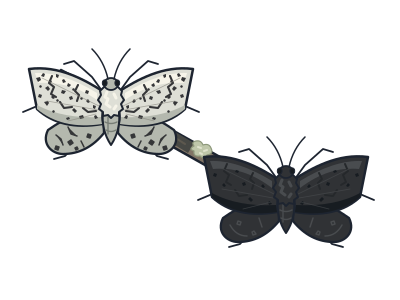
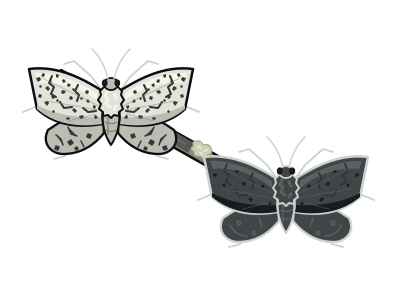
- Peppered mothTurned dark during the soot of the Industrial Revolution, a classic case of evolution.
- ButterfliesDay-flying moths with clubbed antennae, now about 19,000 species.
- Silk moths and hawk mothsBig moths: hovering hawk moths and wild silk moths, some with no mouths as adults.
- Owlet and tiger mothsThe largest group of moths, with tiger moths that click back at bats.
- Small mandibulate mothA tiny moth that still has chewing jaws and eats pollen, like the earliest moths.
- Common clothes mothIts caterpillars eat wool and fur, which is why it chews holes in jumpers.
- Six-spot burnetA red-spotted day-flying moth that makes cyanide to protect itself.