A species
Small mandibulate moth
Micropterix calthella
A tiny moth that still has chewing jaws and eats pollen, like the earliest moths.
You and the small mandibulate moth meet in the Two-sided animals branch, shown at about 580 million years ago (on 11 November, in a calendar from life's shared ancestor to today).
Two-sided animalsStarfish, sea squirts and usChordatesVertebratesJawed vertebratesBony fish and their descendantsLobe-finned fishFish on the way to landFour-limbed animalsAmniotesMammals and their ancestorsMammalsLive-bearing mammalsPlacental mammalsPrimates, rodents and rabbitsPrimatesApesGreat apesHumans and chimpanzeesHumanMouth-first animalsMoulting animalsArthropods and kinArthropodsCrustaceans and insectsInsectsWinged insectsInsects with full metamorphosisButterflies and mothsSmall mandibulate moth
A tiny moth that still has chewing jaws and eats pollen, like the earliest moths.
The full page for Small mandibulate moth is still being written and drawn.
Next to it on the tree
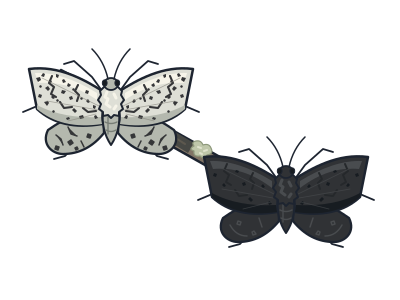
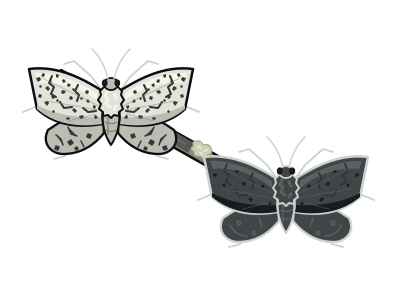
- Peppered mothTurned dark during the soot of the Industrial Revolution, a classic case of evolution.
- ButterfliesDay-flying moths with clubbed antennae, now about 19,000 species.
- Silk moths and hawk mothsBig moths: hovering hawk moths and wild silk moths, some with no mouths as adults.
- Owlet and tiger mothsThe largest group of moths, with tiger moths that click back at bats.
- Common clothes mothIts caterpillars eat wool and fur, which is why it chews holes in jumpers.
- Six-spot burnetA red-spotted day-flying moth that makes cyanide to protect itself.
- ArchaeolepisOne of the oldest moth fossils: scaly wings from about 190 million years ago, found in Dorset.