A group of living things
Buntings, tanagers and cardinals
Emberizoidea
Seed- and insect-eating songbirds that spread across the Americas: cardinals, sparrows, warblers and tanagers.
This branch is shown at about 15 million years ago; its age is a rough estimate.
You and buntings, tanagers and cardinals meet in the Amniotes branch, shown at about 320 million years ago (on 4 December, in a calendar from life's shared ancestor to today).
AmniotesMammals and their ancestorsMammalsLive-bearing mammalsPlacental mammalsPrimates, rodents and rabbitsPrimatesApesGreat apesHumans and chimpanzeesHumanReptiles and birdsTurtles, crocodiles and birdsCrocodiles and dinosaursPterosaurs and dinosaursDinosaursLizard-hipped dinosaursTheropodsStiff-tailed theropodsFeathered theropodsRaptors and birdsBirdsAll other birdsNeoavesLand birdsFalcons, parrots and songbirdsParrots and songbirdsPerching birdsSongbirdsPasseridesSparrows, finches and kinBuntings, tanagers and cardinals
Seed- and insect-eating songbirds that spread across the Americas: cardinals, sparrows, warblers and tanagers.
The full page for Buntings, tanagers and cardinals is still being written and drawn.
Inside buntings, tanagers and cardinals
- Northern cardinalMales are bright red; both sexes sing.
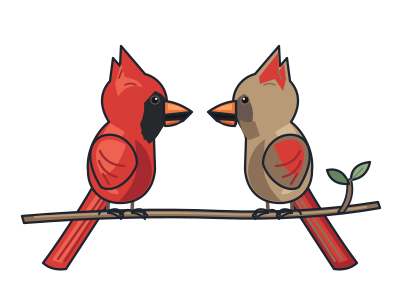
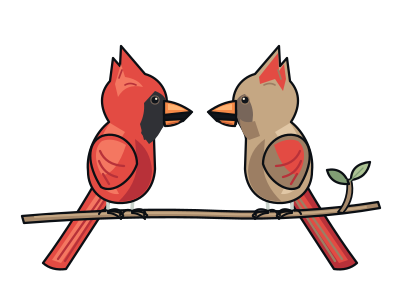
- Painted buntingMales are blue, green and red, perhaps the most colourful bird in North America.
- Song sparrowEach male sings up to 20 song types, and neighbours match each other's songs.
- Red-winged blackbirdMales flash red shoulder patches from cattails; it is one of North America's most numerous birds.
- Yellow warblerIts cheerful song is often written as 'sweet, sweet, I'm so sweet'; it migrates to the tropics.
- YellowhammerIts song is said to sound like 'a little bit of bread and no cheese'.
- TanagersA huge, colourful American family that, surprisingly, includes Darwin's finches.
Next to it on the tree
- House sparrowHas followed people around the world, nesting in our buildings.
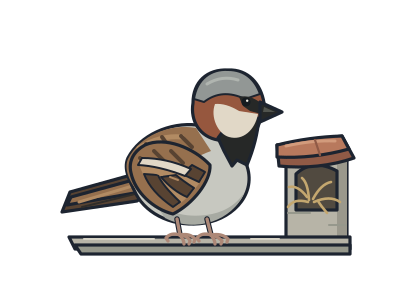
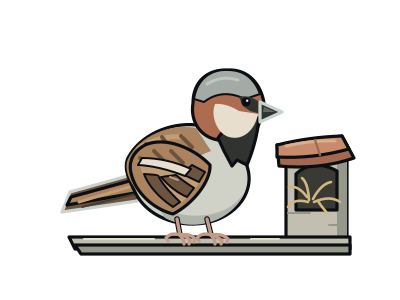
- Malachite sunbirdAn emerald African nectar-feeder: the Old World's answer to the hummingbird.
- Sociable weaverHundreds share one giant haystack-like nest that can last for a century.
- Zebra finchYoung males learn their song from their father, making it a key species for studying how we learn to talk.
- White wagtailPumps its long tail up and down as it runs after flies in car parks and fields.
- True finchesSeed-crackers with strong conical beaks, including canaries and Hawaii's honeycreepers.