A group of living things
True finches
Fringillidae
Seed-crackers with strong conical beaks, including canaries and Hawaii's honeycreepers.
This branch is shown at about 19 million years ago; its age is a rough estimate.
You and true finches meet in the Amniotes branch, shown at about 320 million years ago (on 4 December, in a calendar from life's shared ancestor to today).
AmniotesMammals and their ancestorsMammalsLive-bearing mammalsPlacental mammalsPrimates, rodents and rabbitsPrimatesApesGreat apesHumans and chimpanzeesHumanReptiles and birdsTurtles, crocodiles and birdsCrocodiles and dinosaursPterosaurs and dinosaursDinosaursLizard-hipped dinosaursTheropodsStiff-tailed theropodsFeathered theropodsRaptors and birdsBirdsAll other birdsNeoavesLand birdsFalcons, parrots and songbirdsParrots and songbirdsPerching birdsSongbirdsPasseridesSparrows, finches and kinTrue finches
Seed-crackers with strong conical beaks, including canaries and Hawaii's honeycreepers.
The full page for True finches is still being written and drawn.
Inside true finches
- European goldfinchA red-faced finch that picks seeds from thistle heads with its fine beak.
- Atlantic canaryThe wild ancestor of the pet canary, from the Canary Islands, Madeira and the Azores.
- ʻIʻiwiA scarlet Hawaiian honeycreeper with a curved beak that matches the flowers it feeds from.
- PoʻouliA small brown Hawaiian honeycreeper discovered in 1973; the last known one died in 2004.
Next to it on the tree
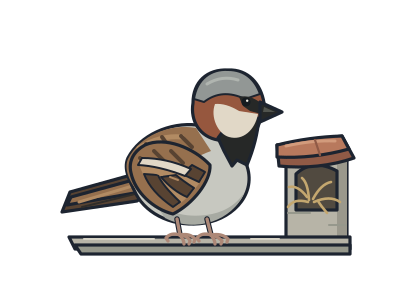
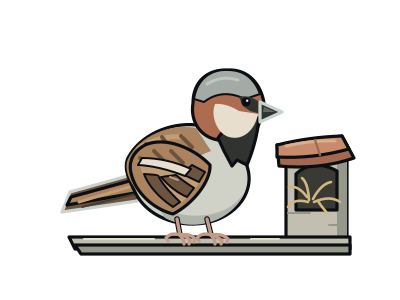
- House sparrowHas followed people around the world, nesting in our buildings.
- Malachite sunbirdAn emerald African nectar-feeder: the Old World's answer to the hummingbird.
- Sociable weaverHundreds share one giant haystack-like nest that can last for a century.
- Zebra finchYoung males learn their song from their father, making it a key species for studying how we learn to talk.
- White wagtailPumps its long tail up and down as it runs after flies in car parks and fields.
- Buntings, tanagers and cardinalsSeed- and insect-eating songbirds that spread across the Americas: cardinals, sparrows, warblers and tanagers.