A species
Yellow warbler
Setophaga petechia
Its cheerful song is often written as 'sweet, sweet, I'm so sweet'; it migrates to the tropics.
You and the yellow warbler meet in the Amniotes branch, shown at about 320 million years ago (on 4 December, in a calendar from life's shared ancestor to today).
AmniotesMammals and their ancestorsMammalsLive-bearing mammalsPlacental mammalsPrimates, rodents and rabbitsPrimatesApesGreat apesHumans and chimpanzeesHumanReptiles and birdsTurtles, crocodiles and birdsCrocodiles and dinosaursPterosaurs and dinosaursDinosaursLizard-hipped dinosaursTheropodsStiff-tailed theropodsFeathered theropodsRaptors and birdsBirdsAll other birdsNeoavesLand birdsFalcons, parrots and songbirdsParrots and songbirdsPerching birdsSongbirdsPasseridesSparrows, finches and kinBuntings, tanagers and cardinalsYellow warbler
Its cheerful song is often written as 'sweet, sweet, I'm so sweet'; it migrates to the tropics.
The full page for Yellow warbler is still being written and drawn.
Next to it on the tree
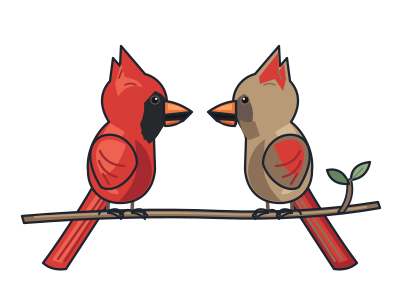
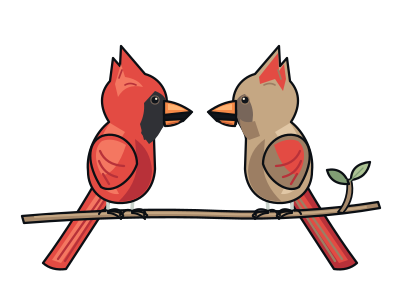
- Northern cardinalMales are bright red; both sexes sing.
- Painted buntingMales are blue, green and red, perhaps the most colourful bird in North America.
- Song sparrowEach male sings up to 20 song types, and neighbours match each other's songs.
- Red-winged blackbirdMales flash red shoulder patches from cattails; it is one of North America's most numerous birds.
- YellowhammerIts song is said to sound like 'a little bit of bread and no cheese'.
- TanagersA huge, colourful American family that, surprisingly, includes Darwin's finches.