A species
Common bean
Phaseolus vulgaris
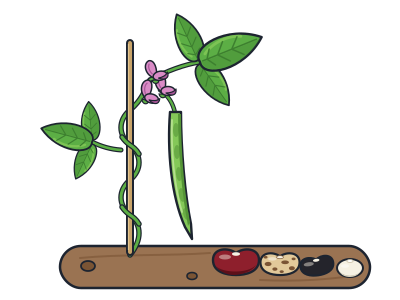
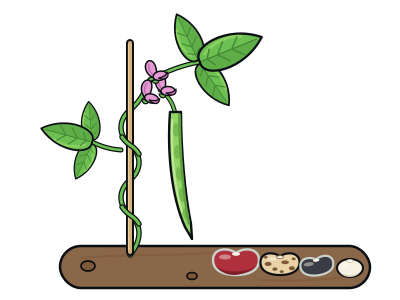
Kidney, pinto, black and green beans: one plant from the Americas, in many disguises.
You and the common bean meet in the Eukaryotes branch, shown at about 1.8 billion years ago (on 28 July, in a calendar from life's shared ancestor to today).
Kidney beans, pinto beans, black beans, navy beans and green beans look and taste different, but they all come from one kind of plant. Green beans are the pods eaten before they are ripe, mostly from types bred to have tender pods. Other named types include cranberry, Appaloosa and Anasazi beans, and the seeds come in many colours and patterns.
This plant comes from the Americas. People tamed it at least twice, separately: once in Mexico and Central America, and once in the Andes of South America. That began several thousand years ago, perhaps about 8,000 years ago. The common bean only reached Europe in the 1500s, after Columbus. Indigenous farmers in the Americas grew beans together with maize and squash, a team known as the 'Three Sisters'.
On the tree, the common bean sits among the legumes, with relatives such as garden peas, soybeans, peanuts and chickpeas. Like other legumes, it has helpful bacteria in its roots. They take nitrogen from the air and turn it into a form the plant can use.
All wild common beans climb. Climbing types make vines about 2 to 3 metres long, taller than an adult. The knee-high bush types were bred by people. Each leaf has three leaflets, and the small white, pink or purple flowers turn into pods up to about the length of a pencil.
Cook them properly
Raw or undercooked red kidney beans contain a natural toxin. Eating just four or five badly cooked beans can cause severe vomiting, though people usually recover within a few hours. Soaking dry beans for at least 5 hours and then boiling them in fresh water for at least 30 minutes destroys the toxin. A slow cooker may not get hot enough.
Five tamed species
The bean genus has about 70 to 80 wild species. People tamed five of them: the common bean, lima bean, runner bean, tepary bean and year bean.
A mountain of beans
In 2022 the world grew about 28 million tonnes of dry common beans. India grew the most, nearly a quarter of the total.
Next to it on the tree
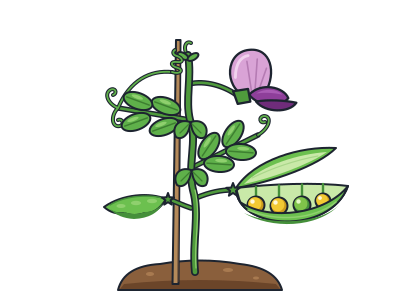
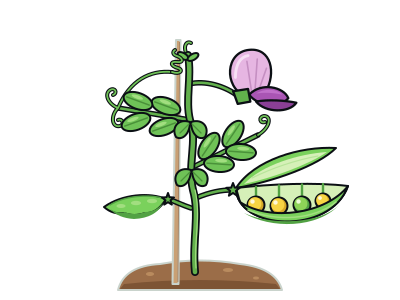
- Garden peaThe plant Gregor Mendel used to discover how traits are inherited.
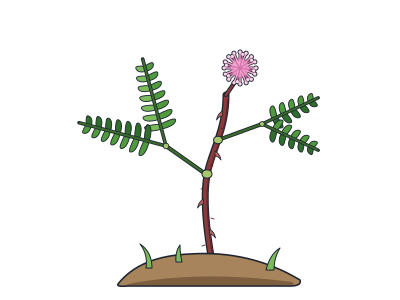
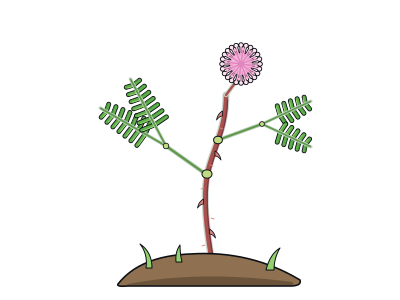
- Sensitive plantFolds its leaves within seconds when touched.
- SoybeanOne of the world's biggest crops, rich in protein thanks to its root bacteria.
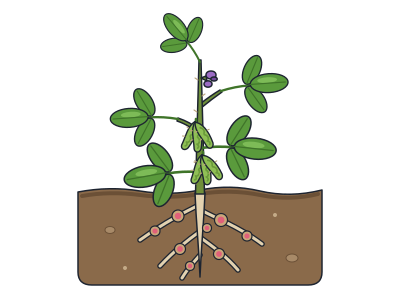
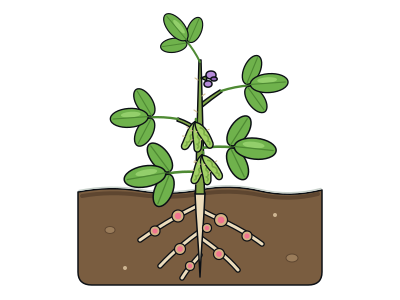
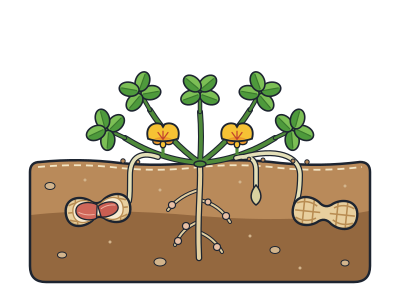
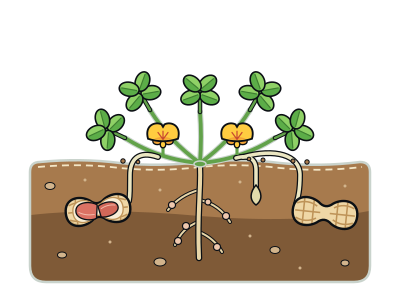
- PeanutNot a nut: its flower stalks dive into the soil so pods ripen underground.
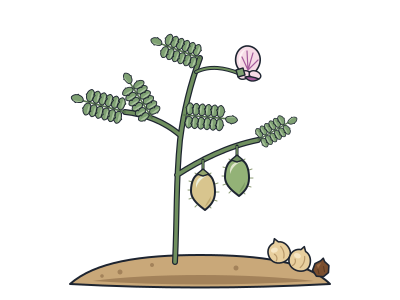
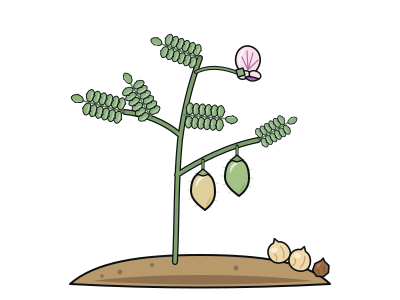
- ChickpeaThe bean behind hummus, grown for over 9,000 years.
- Umbrella thorn acaciaThe flat-topped tree of African savanna, whose long thorns slow down browsers such as giraffes.