A group of living things
Auks
Alcidae
Northern seabirds that 'fly' underwater with their short wings, like penguins of the north.
This branch is shown at about 43 million years ago; its age is a rough estimate.
You and auks meet in the Amniotes branch, shown at about 320 million years ago (on 4 December, in a calendar from life's shared ancestor to today).
AmniotesMammals and their ancestorsMammalsLive-bearing mammalsPlacental mammalsPrimates, rodents and rabbitsPrimatesApesGreat apesHumans and chimpanzeesHumanReptiles and birdsTurtles, crocodiles and birdsCrocodiles and dinosaursPterosaurs and dinosaursDinosaursLizard-hipped dinosaursTheropodsStiff-tailed theropodsFeathered theropodsRaptors and birdsBirdsAll other birdsNeoavesShorebirds, gulls and auksAuks
Northern seabirds that 'fly' underwater with their short wings, like penguins of the north.
The full page for Auks is still being written and drawn.
Inside auks
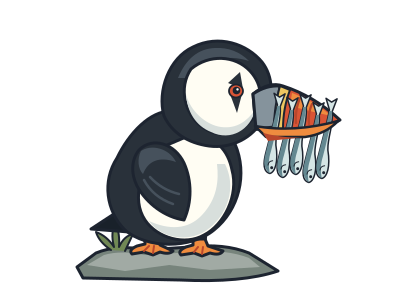
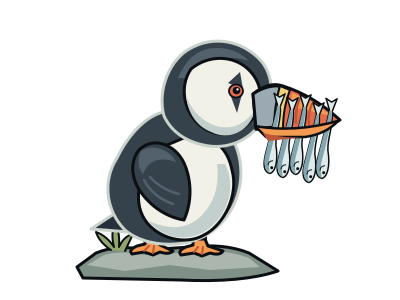
- Atlantic puffinCarries a row of fish crosswise in its colourful beak.
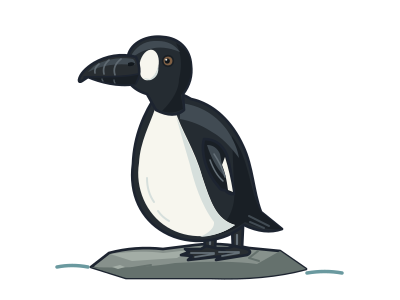
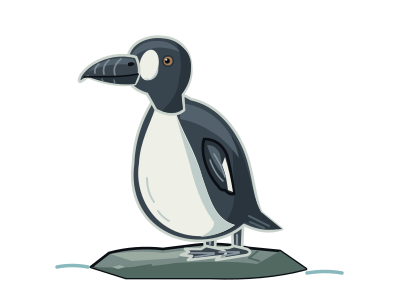
- Great aukThe original 'penguin': a flightless North Atlantic bird; last documented breeding pair killed in 1844.
- RazorbillA black-and-white seabird with a deep, blade-like beak; the great auk's closest living relative.
- Common guillemotIts chicks leap off cliff ledges before they can fly, and their father raises them at sea.
Next to it on the tree
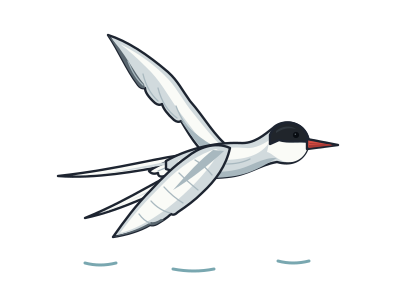
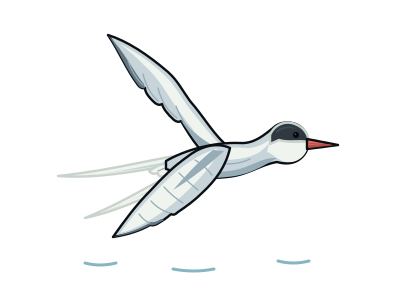
- Arctic ternFlies from the Arctic to the Antarctic and back each year, the longest migration known.
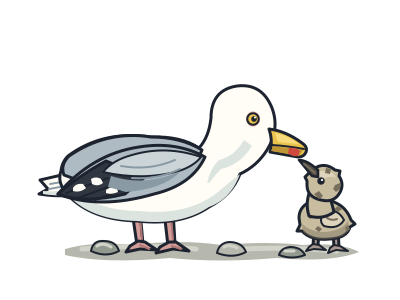
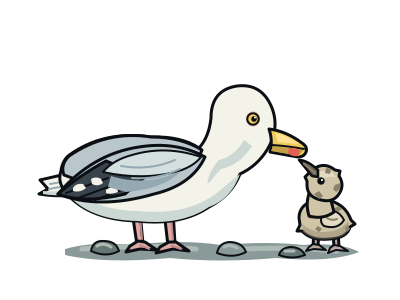
- Herring gullThe bold seaside gull whose chicks peck the red spot on a parent's beak to ask for food.
- KilldeerA plover that lures danger away from its nest by pretending to have a broken wing.
- Eurasian oystercatcherUses its long orange beak to pry open mussels and hammer through shells.
- Bar-tailed godwitFlies from Alaska to New Zealand without stopping: over 13,000 km in about 11 days.
- Eurasian woodcockA forest wader with eyes set so far back it can see behind itself without turning.
- African jacanaWalks across lily pads on enormous toes; fathers care for the chicks, even carrying them under their wings.