A species
Sweet chestnut
Castanea sativa
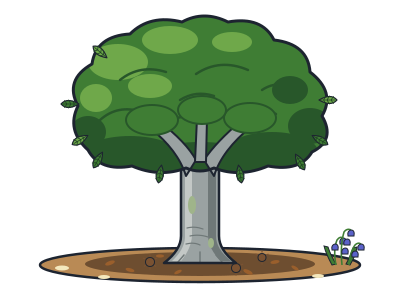
Spiny cases hide the chestnuts roasted on winter streets.
You and the sweet chestnut meet in the Eukaryotes branch, shown at about 1.8 billion years ago (on 28 July, in a calendar from life's shared ancestor to today).
EukaryotesAmoebas, fungi and animalsFungi and animalsAnimals and their single-celled cousinsAnimalsTwo-sided animalsStarfish, sea squirts and usChordatesVertebratesJawed vertebratesBony fish and their descendantsLobe-finned fishFish on the way to landFour-limbed animalsAmniotesMammals and their ancestorsMammalsLive-bearing mammalsPlacental mammalsPrimates, rodents and rabbitsPrimatesApesGreat apesHumans and chimpanzeesHumanPlants and red algaeGreen plantsLand plants and their algal kinLand plantsVascular plantsFerns and seed plantsSeed plantsFlowering plantsEudicotsRosidsRoses, beans and oaksOaks, beeches and birchesSweet chestnut
Spiny cases hide the chestnuts roasted on winter streets.
The full page for Sweet chestnut is still being written and drawn.
Next to it on the tree
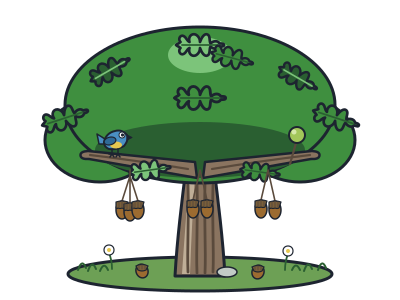
- English oakOne oak can host hundreds of species of insects, birds and fungi.
- Silver birchWhite papery bark and one of the first trees to recolonise land after the Ice Age.
- WalnutIts roots release a chemical that stops other plants growing nearby.
- European beechSmooth grey bark and a dense canopy that leaves little light for anything below.