A species
Astaxanthin yeast
Xanthophyllomyces dendrorhous
A pink yeast from birch sap that helps turn farmed salmon pink
You and the astaxanthin yeast meet in the Fungi and animals branch, shown at about 1.3 billion years ago (on 10 September, in a calendar from life's shared ancestor to today).
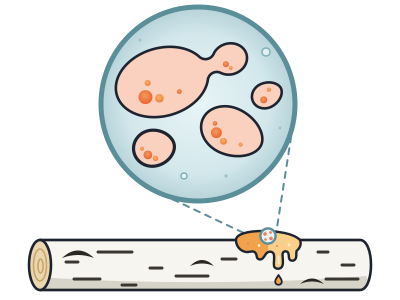
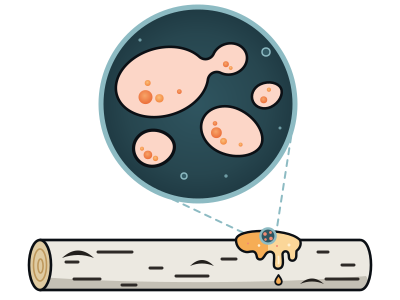
This tiny orange-pink yeast lives in the sweet sap that oozes from wounded birch trees in spring. Its pigment, astaxanthin, is one of the colours added to the feed of farmed salmon and trout to turn their flesh pink. Wild salmon get the same kind of pigment from their food, such as krill. Without added pigment, farmed salmon flesh would be creamy instead of pink.
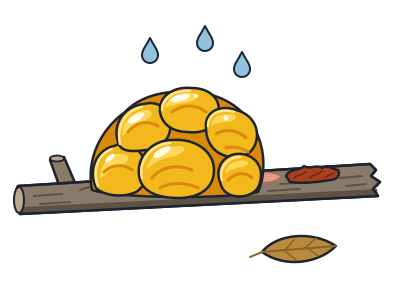
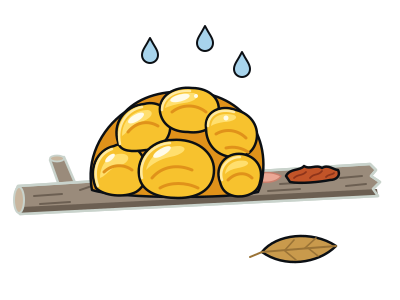
It may be just a single cell, but it belongs to the mushroom fungi, the same big group as toadstools and brackets. Its closer relatives include jelly fungi such as witch's butter, which grows wobbly yellow blobs on wood. Unlike a mushroom, this yeast never grows threads. Each cell is a smooth oval or almost round, and it makes new cells by budding them off its ends.
It likes the cold. It grows best at about 17 to 21 °C and stops growing above about 27 to 30 °C. Scientists first collected it in the late 1960s from tree sap in the mountains of Japan and in Alaska. Since then it has turned up in Europe and South America too. Besides birch, it lives in the oozing sap of alder, beech and dogwood trees.
Sunny egg yolks
Its pigment is also added to chicken and quail feed to make egg yolks a deeper colour.
No sunlight needed
Its main natural rival for making this pigment is a tiny green alga. The yeast can make its pigment in the dark, and it grows fairly fast.
Named after its finder
Its other name is Phaffia rhodozyma. The Phaffia part honours Herman Phaff, the yeast scientist whose team first collected it.
Next to it on the tree
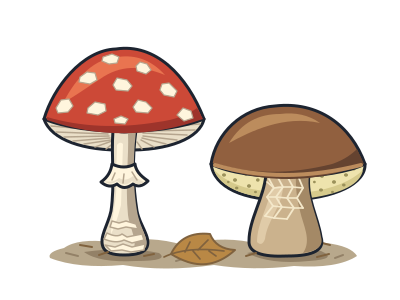
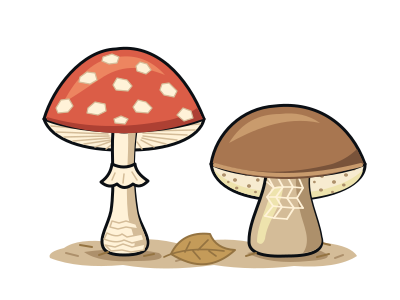
- Gilled mushrooms and boletesClassic cap-and-stalk mushrooms with gills or sponge-like pores underneath.
- Witch's butterA wobbly yellow jelly on dead branches that dries crisp and revives after rain.
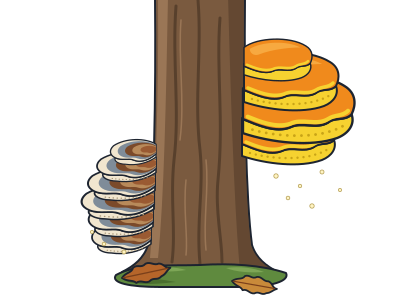
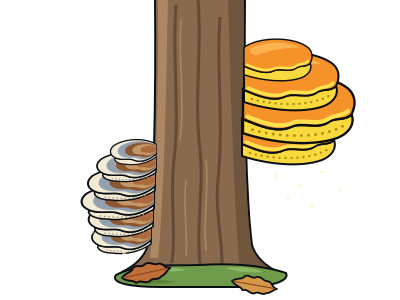
- Bracket fungiShelves and brackets on trees that recycle wood, with pores instead of gills underneath.
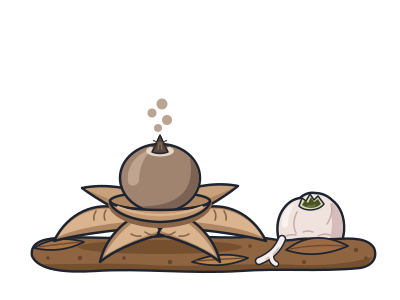
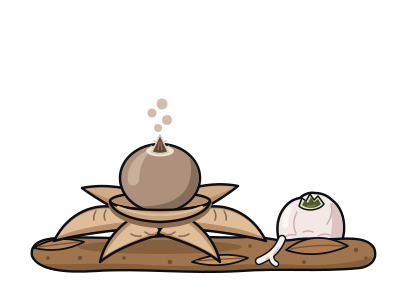
- Stinkhorns and earthstarsFungi that hatch from eggs: smelly stinkhorns that use flies, and earthstars that peel open into stars.
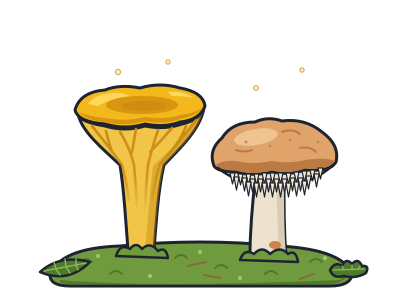
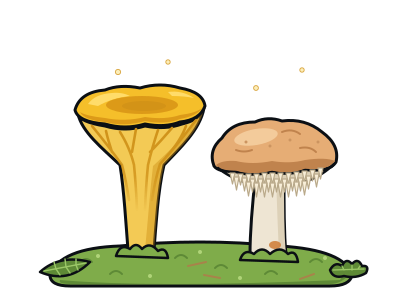
- Chanterelles and kinAn early branch of the mushroom fungi, with wrinkles or spines instead of gills, plus orchid helpers.
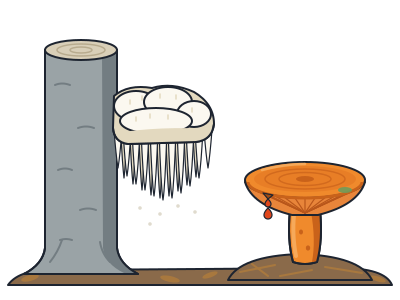
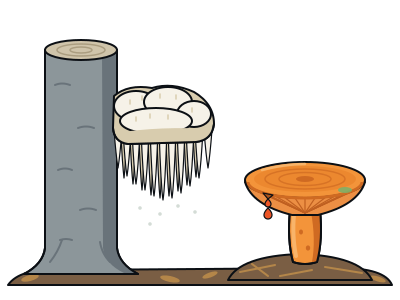
- Milkcaps, brittlegills and lion's maneA group of very different shapes: milky gilled caps, crumbly brittlegills and icicle-like tooth fungi.
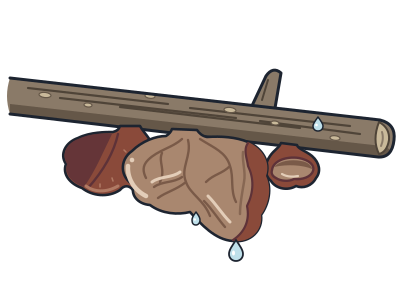
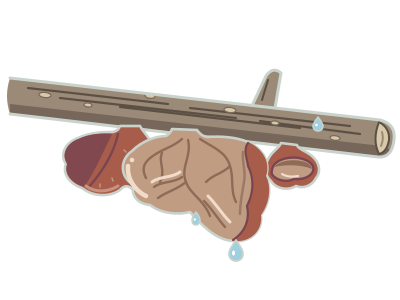
- Jelly earA rubbery brown ear on elder branches; its close relative, wood ear, is a staple of Chinese cooking.