A species
Fly-killing fungus
Entomophthora muscae
A fungus that makes dying flies climb high, then showers their neighbours with spores.
You and the fly-killing fungus meet in the Fungi and animals branch, shown at about 1.3 billion years ago (on 10 September, in a calendar from life's shared ancestor to today).
This fungus infects living flies, mostly house flies, and changes what they do. It starts when a spore lands on a fly and grows a tube through its skin. Inside, the fungus multiplies in the fly's blood and uses it up over about a week. It also grows into the fly's nervous system.
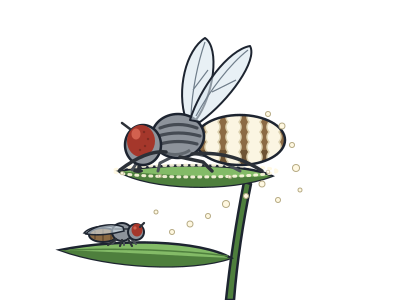
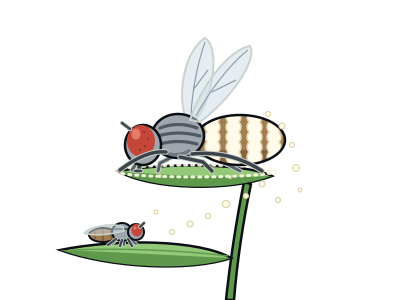
Around sunset, the sick fly suddenly starts walking and climbing. It ends up perched high on something like a window or a stem. It stretches its mouthparts down, sticks there, and raises its wings. Then it dies. Scientists call this 'summiting'.
About three hours later, the fungus starts shooting spores out of the fly's belly. The raised wings keep the way clear, and the spores spray out in a shower, often leaving a pale ring around the body. The spores can only infect for a few hours, so launching them from up high gives them a better chance of landing on a new fly below.
It looks nothing like a mushroom, but it is a true fungus. On the tree it sits on the fungus branch next to chytrids, pin moulds and the sac and mushroom fungi. Surprisingly, fungi share a bigger branch with animals, so this fly-killer is closer kin to the flies it kills than to any plant.
A deadly attraction
Dead infected female house flies give off fungus chemicals that attract healthy males. When healthy males were kept with bodies at a late stage of the disease, about 73 in every 100 caught the infection.
A busy first day
A dead house fly does most of its spore shooting within the first day or day and a half after it dies.
Cool-weather killer
Outbreaks usually happen in cool, damp spring and autumn weather. Hot midsummer temperatures hold the disease back.
Next to it on the tree
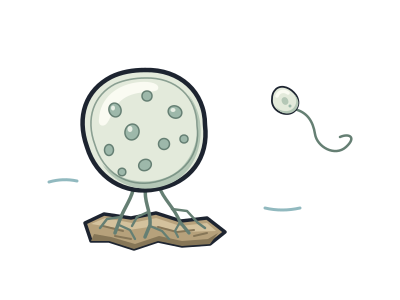
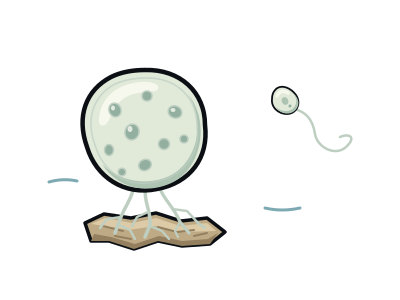
- ChytridsTiny water fungi with swimming spores and tails, like the fungi of the earliest kind.
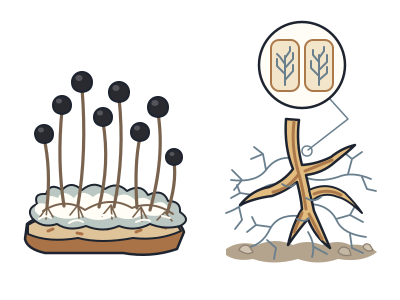
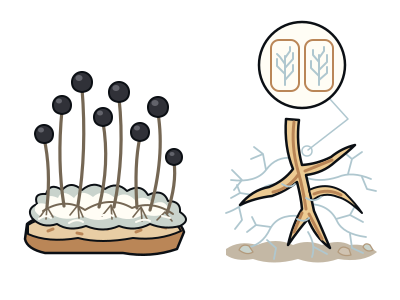
- Pin moulds and root partnersFuzzy bread mould is a cousin of the fungi that helped the first plants move onto land.
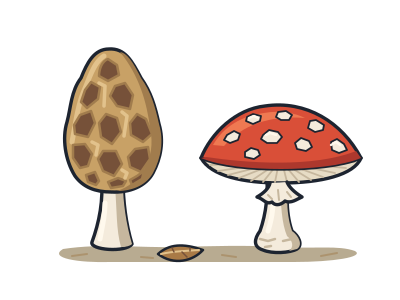
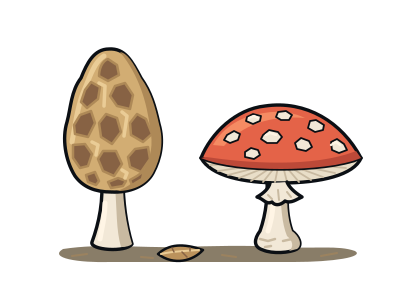
- Sac and mushroom fungiMost fungi you know, from yeast to truffles to toadstools, belong to this one big branch.
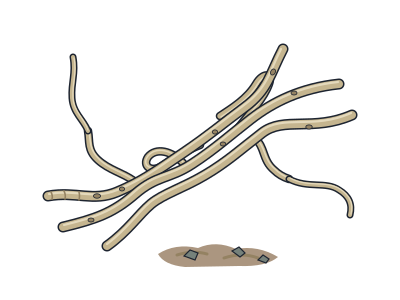
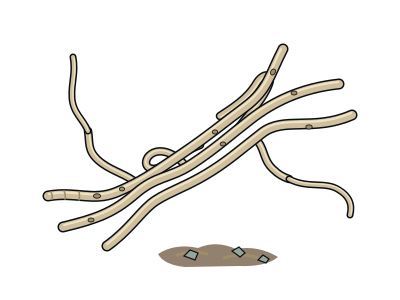
- OurasphairaMicroscopic threads and spores from a billion years ago, possibly the oldest fungus fossil known.
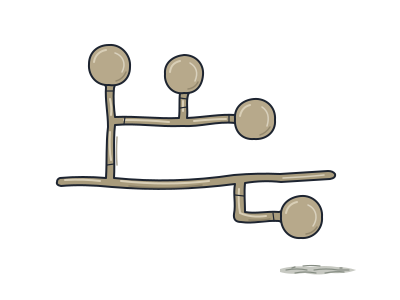
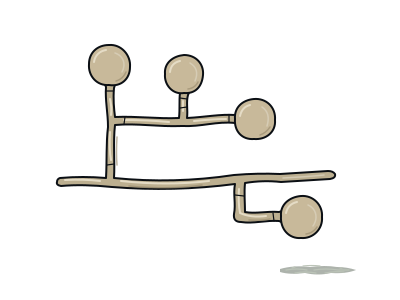
- TortotubusBranching threads 440 million years old, among the oldest fossils of a fungus living on land.
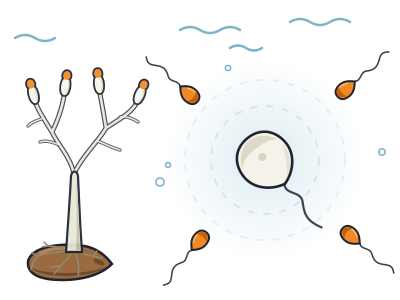
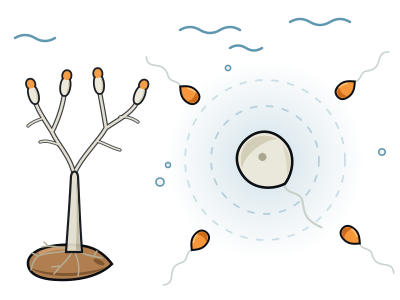
- Allomyces water mouldA water fungus whose swimming cells use one tail to find partners; a lab model for how sex cells meet.
- PalaeoblastocladiaTiny fungi on a 407-million-year-old plant stem, with swimming-spore sacs like living Allomyces.