An extinct species
Tortotubus †
Tortotubus protuberans
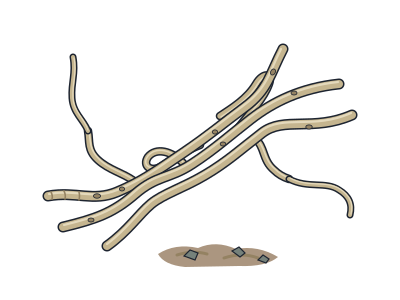
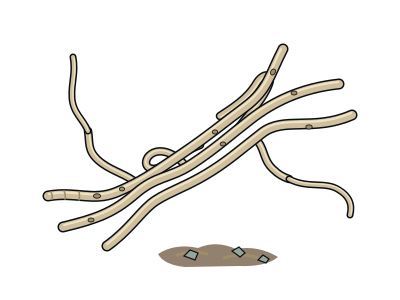
Branching fungal threads from about 440 million years ago.
Known from about 440 million years ago.
You and the tortotubus meet in the Fungi and animals branch, shown at about 1.3 billion years ago (on 10 September, in a calendar from life's shared ancestor to today).
About 440 million years ago, this fungus grew branching threads on land. Its remains were among the oldest known fossils of a land-living fungus. The threads gathered into thicker cords, resembling structures made by some living fungi. It belonged to the fungal family alongside mushrooms, but these fossils preserved threads rather than confirmed caps and stalks.
Researchers reconstructed how the cords formed from fossils showing different growth stages. Side branches grew backwards along an existing thread, then multiplied to build a thicker bundle. Some preserved threads were flattened and had uneven bumps on their surfaces. The shapes and surface details were visible in the fossils themselves.
The remains were tiny fragments, not a complete organism. Preserved pieces reached about a millimetre long, so they could not reveal the full spread of the living network. Researchers studied material from places including Gotland in Sweden, Scotland and New York.
Double-layered walls
Early threads preserved cell walls made of two layers.
Openings between cells
Dividing walls inside the threads had simple openings between neighbouring cells.
Two names, one growth story
Fossils once called Ornatifilum lornensis were identified as early growth stages of this fungus.
Next to it on the tree
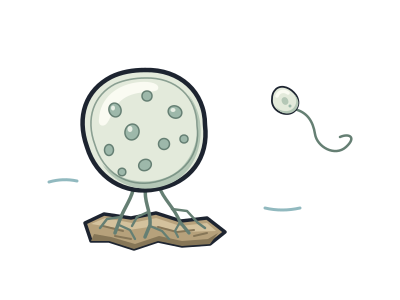
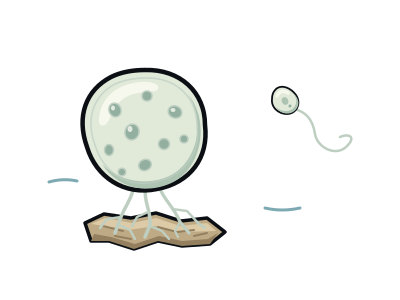
- ChytridsTiny water fungi with swimming spores and tails, like the fungi of the earliest kind.
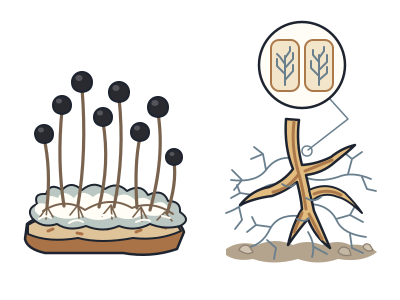
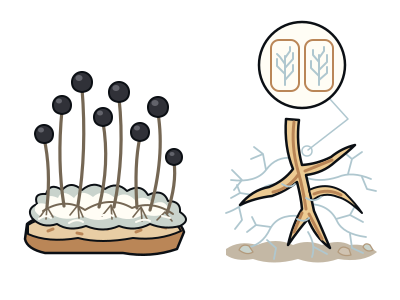
- Pin moulds and root partnersFuzzy bread mould is a cousin of the fungi that helped the first plants move onto land.
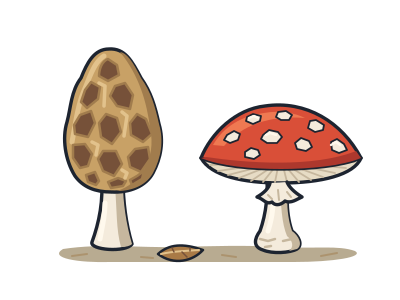
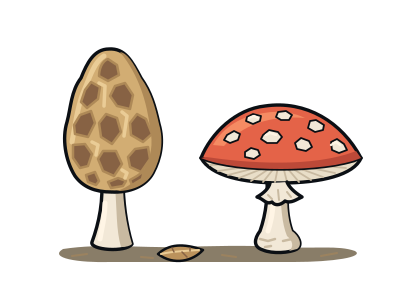
- Sac and mushroom fungiMost fungi you know, from yeast to truffles to toadstools, belong to this one big branch.
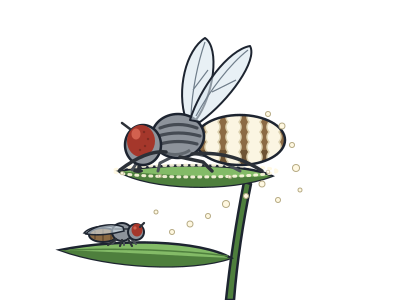
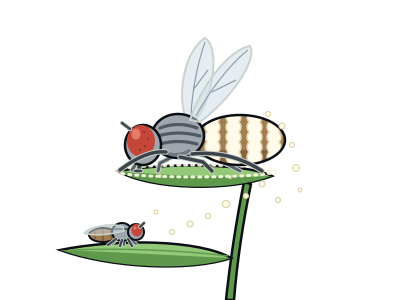
- Fly-killing fungusInfects house flies, makes them climb high, then sprays spores from their bodies onto flies below.
- OurasphairaMicroscopic threads and spores from a billion years ago, possibly the oldest fungus fossil known.
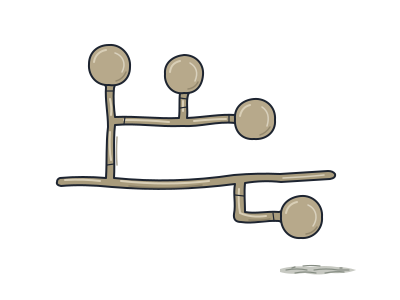
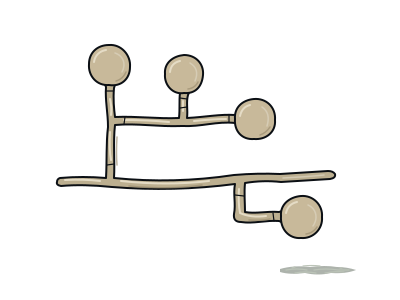
- Allomyces water mouldA water fungus whose swimming cells use one tail to find partners; a lab model for how sex cells meet.
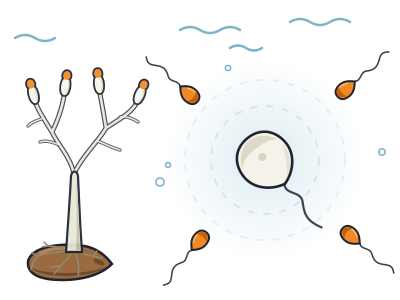
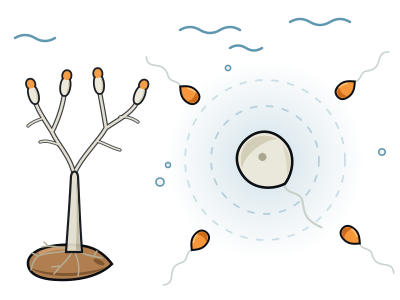
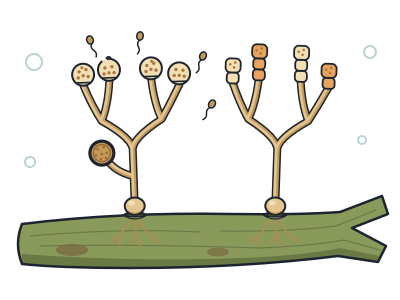
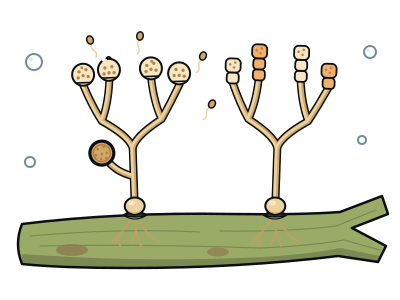
- PalaeoblastocladiaTiny fungi on a 407-million-year-old plant stem, with swimming-spore sacs like living Allomyces.