An extinct species
Ourasphaira †
Ourasphaira giraldae
Billion-year-old threads, possibly among the oldest fungal fossils
Lived about 1,010–890 million years ago.
You and the ourasphaira meet in the Fungi and animals branch, shown at about 1.3 billion years ago (on 10 September, in a calendar from life's shared ancestor to today).
Microscopic threads and possible spores made this a candidate for one of the oldest known fungi. If that identification was right, this tiny organism belonged to the same broad family as mushrooms—and, more distantly, animals. Its thread-like shape fitted that possibility: much of a typical mushroom-forming fungus consists of microscopic threads.
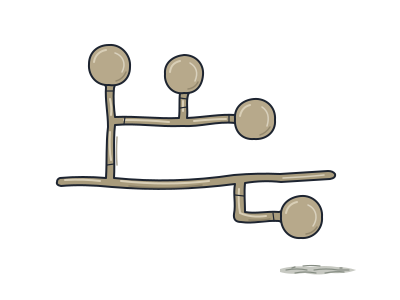
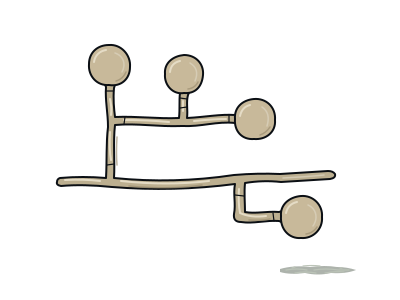
It lived about 1,010 to 890 million years ago, according to the age of the rocks holding its fossils. That range did not show that the species survived throughout the whole interval. The fossils showed fine threads with round structures attached. Researchers interpreted those structures as spores, but their role in reproduction was inferred rather than directly preserved.
The remains were buried in mud in a shallow place where river water met the sea. That burial setting did not establish where the organism had lived. It might have been washed in from land or carried in from the sea.
More than one cell
The organism had several cells, rather than being a single isolated cell.
Tiny T-junctions
Its threads branched at right angles, making recognisable T-shaped junctions.
Walls, not bones
The preserved remains were organic cell walls—not bones, shells or footprints.
Next to it on the tree
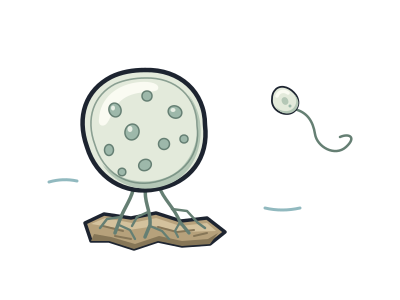
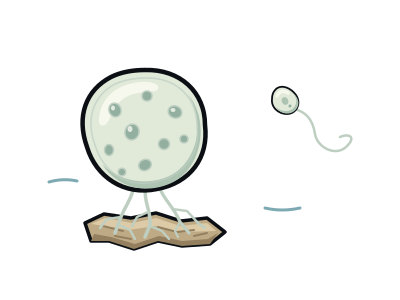
- ChytridsTiny water fungi with swimming spores and tails, like the fungi of the earliest kind.
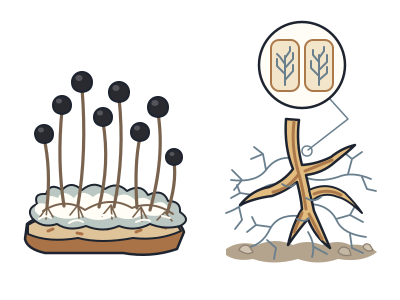
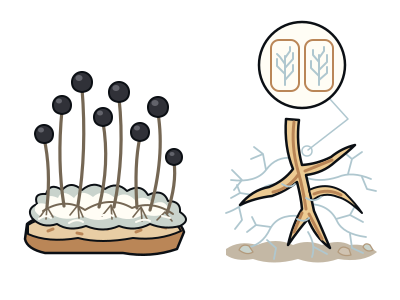
- Pin moulds and root partnersFuzzy bread mould is a cousin of the fungi that helped the first plants move onto land.
- Sac and mushroom fungiMost fungi you know, from yeast to truffles to toadstools, belong to this one big branch.
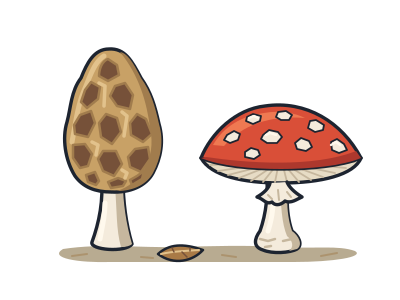
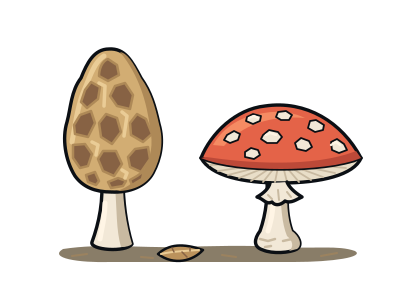
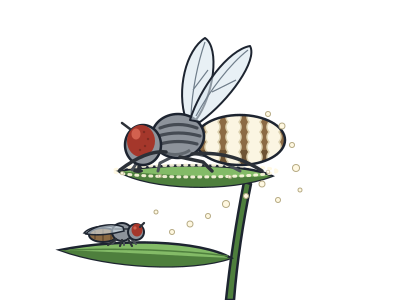
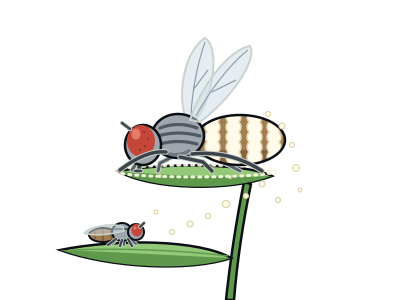
- Fly-killing fungusInfects house flies, makes them climb high, then sprays spores from their bodies onto flies below.
- TortotubusBranching threads 440 million years old, among the oldest fossils of a fungus living on land.
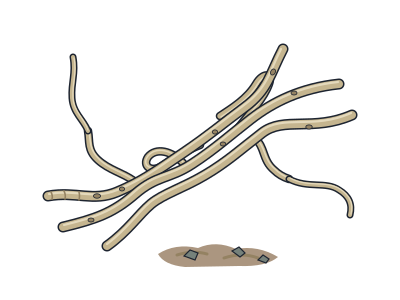
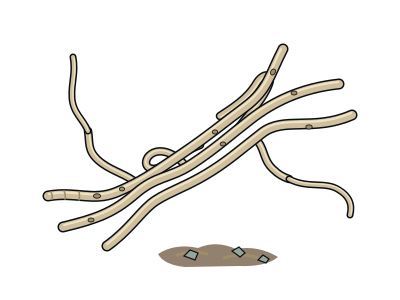
- Allomyces water mouldA water fungus whose swimming cells use one tail to find partners; a lab model for how sex cells meet.
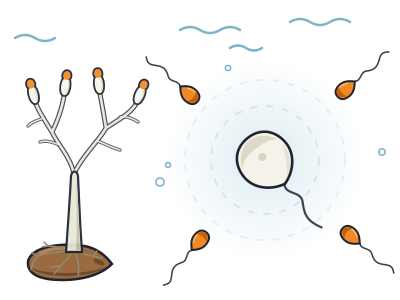
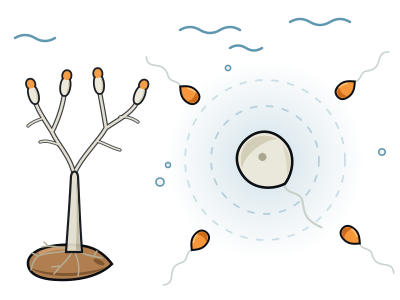
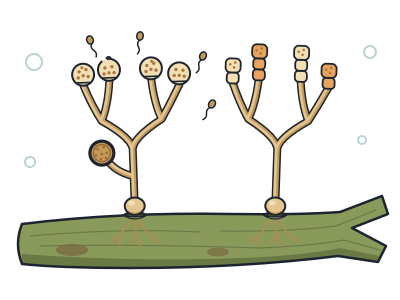
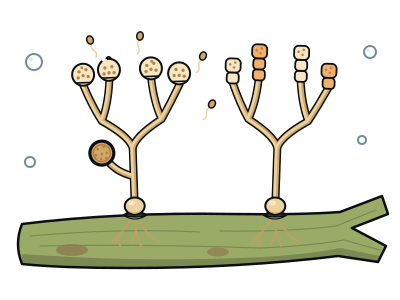
- PalaeoblastocladiaTiny fungi on a 407-million-year-old plant stem, with swimming-spore sacs like living Allomyces.