A group of living things
Chytrids
Chytridiomycota
Tiny fungal relatives of mushrooms, with spores that swim.
This branch is shown at about 800 million years ago; its age is a rough estimate.
You and chytrids meet in the Fungi and animals branch, shown at about 1.3 billion years ago (on 10 September, in a calendar from life's shared ancestor to today).
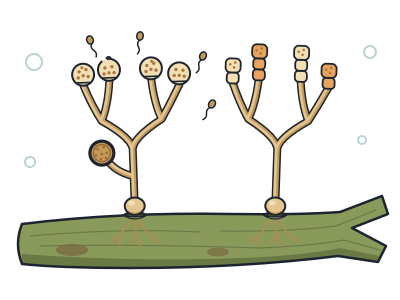
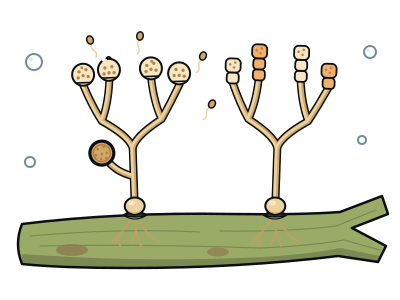
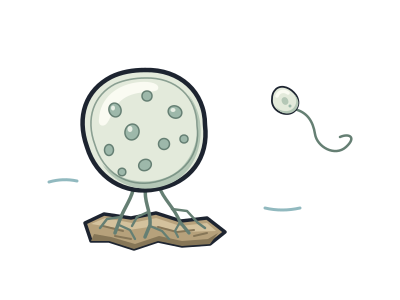
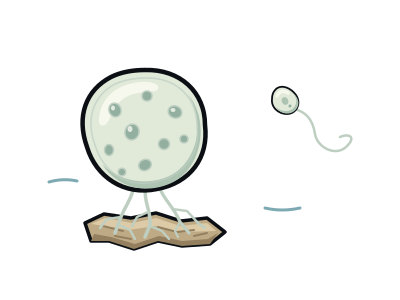
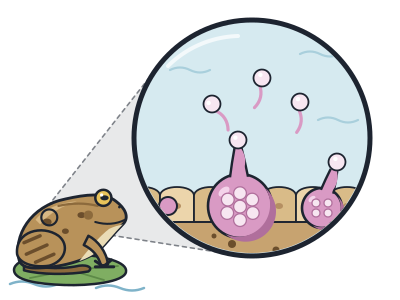
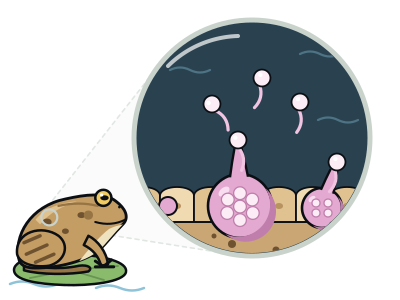
Chytrids are tiny water-loving relatives of mushrooms, but their spores can swim. A typical swimming spore has one whip-like tail that pushes it through water. This group branches off near the early splits in the fungal family tree. Its swimming stage preserves an ancient fungal feature, but living chytrids are not unchanged ancestors of mushrooms.
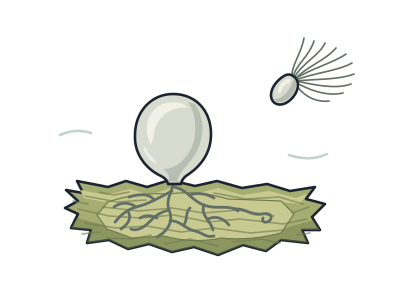
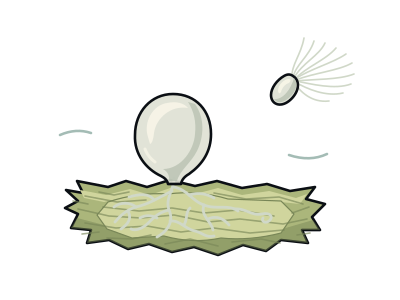
Picture two separate stages of life. The attached feeding stage often looks like a round sac with fine, branching threads. These threads anchor it to food and help it digest and absorb nutrients. They are not plant roots. The attached body can become a spore-making sac, releasing new swimmers rather than swimming around with its feeding threads.
Chytrids live in fresh water, some sea habitats and even the thin films of water around soil grains. Depending on the species, they feed on dead material or take food from living organisms. Their world is mostly too small for us to see without a microscope.
Not just swimmers
Some chytrid spores can also crawl like amoebas.
One-cell bodies
Many chytrids have a body made of just one cell.
A change of walls
The swimming spore lacks a rigid cell wall. The attached stage has a wall containing chitin, also found in familiar fungi.
Inside chytrids
Next to it on the tree
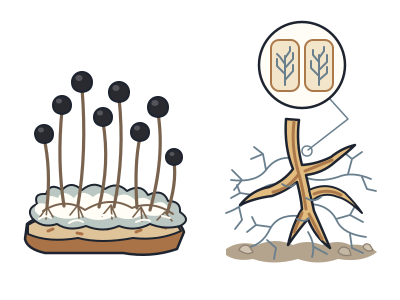
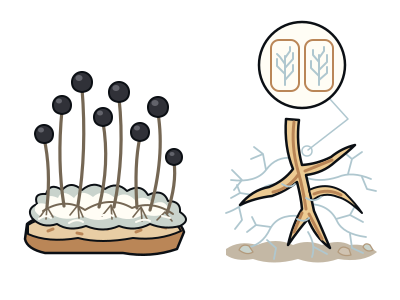
- Pin moulds and root partnersFuzzy bread mould is a cousin of the fungi that helped the first plants move onto land.
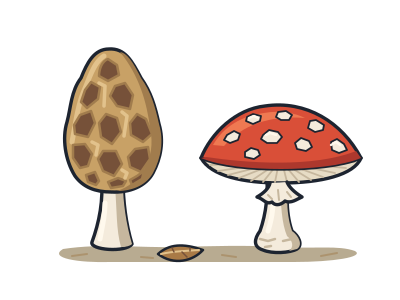
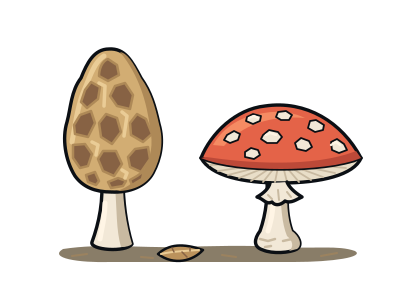
- Sac and mushroom fungiMost fungi you know, from yeast to truffles to toadstools, belong to this one big branch.
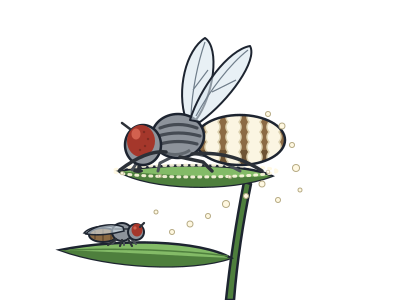
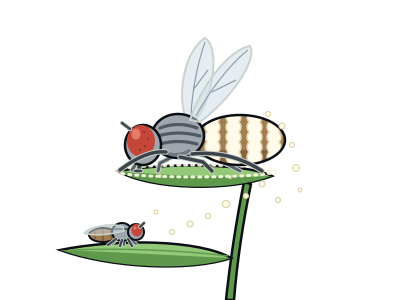
- Fly-killing fungusInfects house flies, makes them climb high, then sprays spores from their bodies onto flies below.
- OurasphairaMicroscopic threads and spores from a billion years ago, possibly the oldest fungus fossil known.
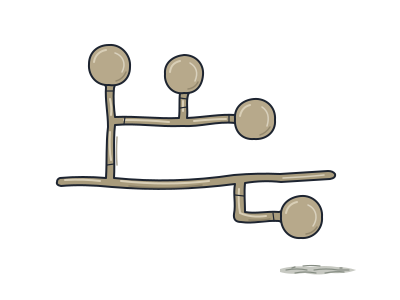
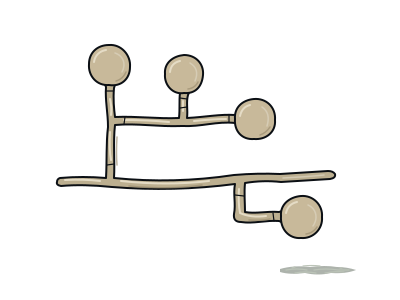
- TortotubusBranching threads 440 million years old, among the oldest fossils of a fungus living on land.
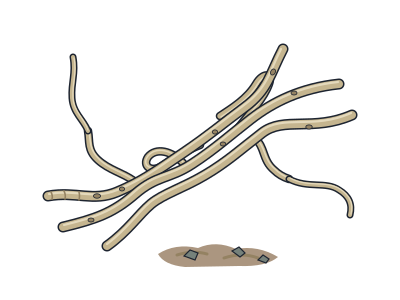
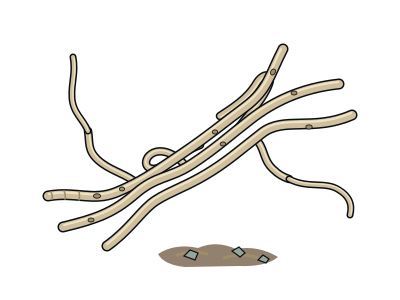
- Allomyces water mouldA water fungus whose swimming cells use one tail to find partners; a lab model for how sex cells meet.
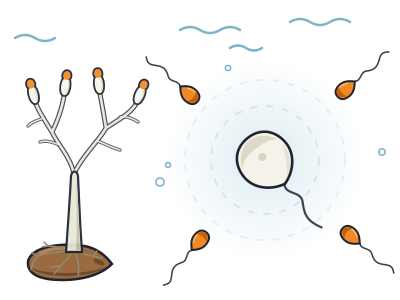
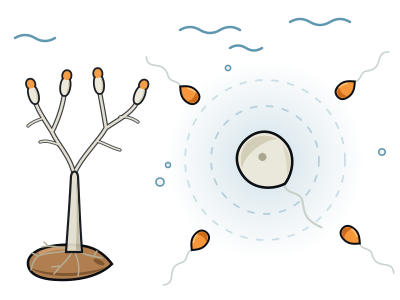
- PalaeoblastocladiaTiny fungi on a 407-million-year-old plant stem, with swimming-spore sacs like living Allomyces.