A species
Dark honey fungus
Armillaria ostoyae
A hidden fungus that spreads across nearly 10 square kilometres of forest
You and the dark honey fungus meet in the Fungi and animals branch, shown at about 1.3 billion years ago (on 10 September, in a calendar from life's shared ancestor to today).
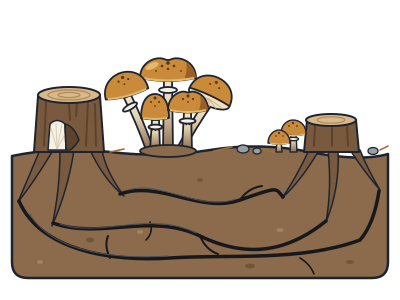
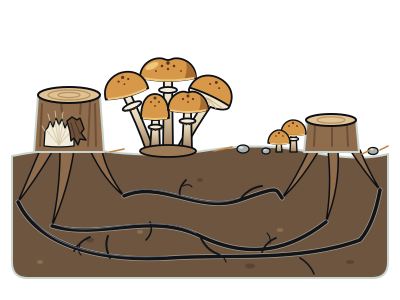
Hidden under a forest in Oregon, USA, lives a fungus that spreads across nearly 10 square kilometres. That is about the size of 1,350 football pitches. Scientists tested samples from across a huge patch of forest and found that they all came from one genetic individual. The two samples furthest apart were about 3.8 kilometres from each other.
For most of the year you would never know it was there. It lives as a thin white layer under tree bark. It also grows black cords like bootlaces, called rhizomorphs, that creep through the soil from root to root. Only for a few weeks each autumn does it send up clumps of honey-coloured mushrooms.
It belongs to the same big branch of gilled mushrooms as the button mushrooms sold in shops, shiitake and the red-and-white fly agaric. But unlike them, this one kills trees. It attacks the roots of conifers such as Douglas-fir and pines, then keeps feeding on the dead wood.
How old is the Oregon giant? Scientists worked it out from how far it has spread and how fast honey fungus is thought to creep through the roots. Nobody knows that speed exactly, so they tried three different speeds. Their estimates run from about 1,900 to 8,650 years.
Too heavy to weigh
Nobody can weigh it, but estimates put the Oregon giant at somewhere between about 6,800 and 31,750 tonnes. Guinness World Records lists it as both the largest and the heaviest fungus.
Much bigger than first thought
A Forest Service worker first noticed it in 1988. Back then it was thought to cover about 160 hectares. Later tests showed it was about six times bigger.
Not the first humongous fungus
A different kind of honey fungus in Michigan was the first 'humongous fungus' to make the news, in 1992. A later study in 2018 found it covers about 70 hectares. That is still small next to the Oregon giant.
Next to it on the tree
- ShiitakeGrown on logs in East Asia for about a thousand years and now a favourite in kitchens worldwide.
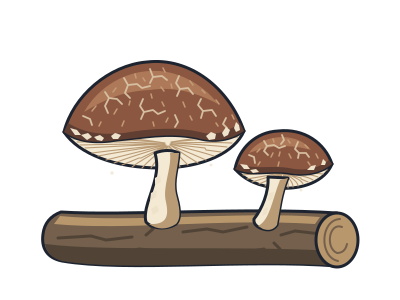
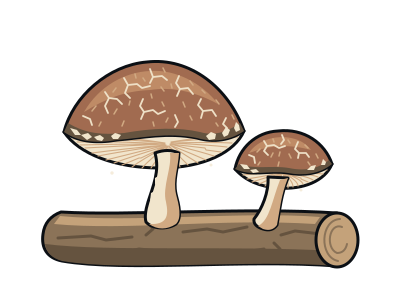
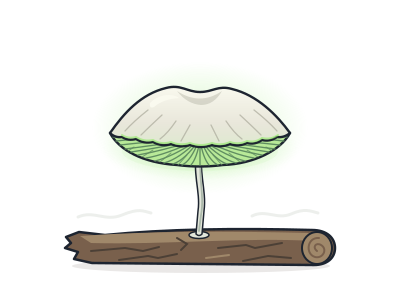
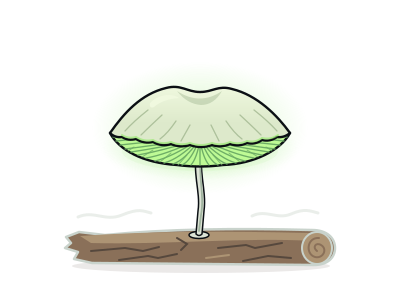
- Glowing mushroomTiny mushrooms that glow green at night on forest logs.
- EnokiGrown in jars in the dark, it becomes long white noodles; in the wild it is a sticky orange winter mushroom.


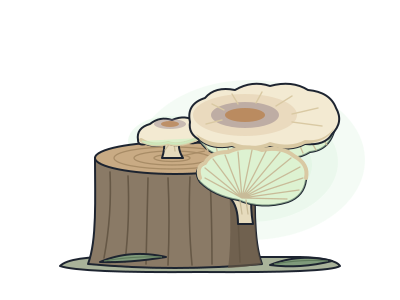
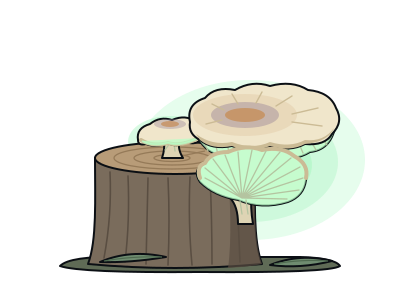
- Ghost fungusCreamy fans on Australian tree stumps that glow a soft green in the dark; poisonous to eat.
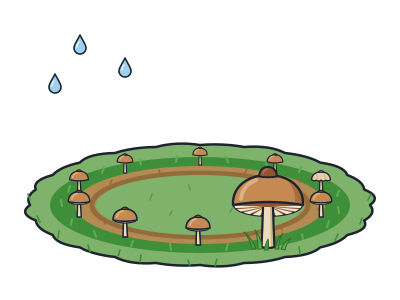
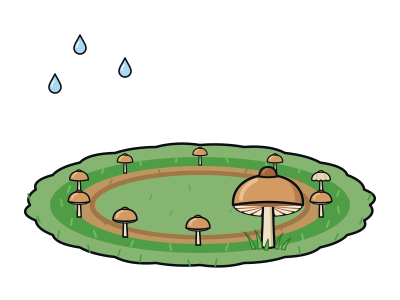
- Fairy ring champignonGrows in rings on lawns that widen each year; it shrivels in drought and springs back after rain.