A species
Ghost fungus
Omphalotus nidiformis
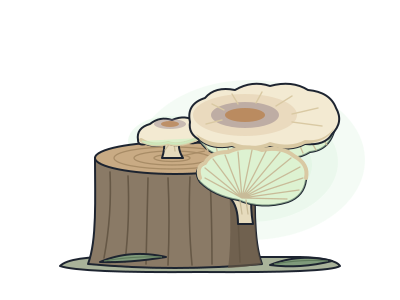
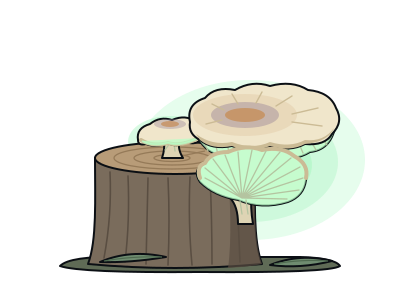
Creamy mushroom fans on Australian stumps that glow softly in the dark, and are poisonous to eat.
You and the ghost fungus meet in the Fungi and animals branch, shown at about 1.3 billion years ago (on 10 September, in a calendar from life's shared ancestor to today).
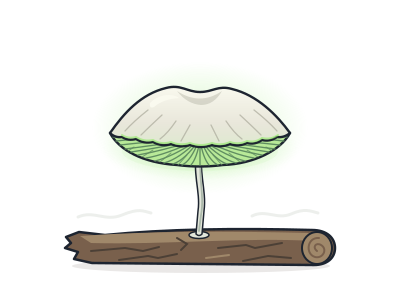
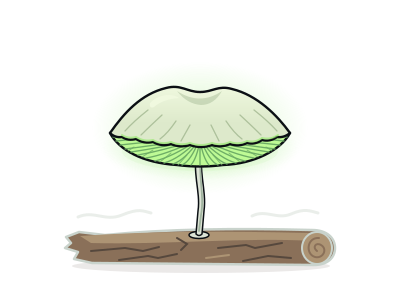
On old tree stumps in southern Australian forests, creamy mushrooms grow in clusters that overlap like shelves. Each fan-shaped cap can grow up to about 30 cm across. At night, the gills give off a soft glow. In photos the light looks green, but to your own eyes it is faint and whitish-blue. Fresh, cream-coloured mushrooms seem to glow brightest, and the light fades as they age.
The surprise is in the family tree. The ghost fungus has the same set of glow genes as some of its relatives: the honey fungi and the small glowing mushrooms. Scientists think glowing probably began just once, in an ancestor of all three groups, and that many later relatives lost it. Shiitake and enoki, which people buy to eat, sit on nearby branches of the same part of the tree.
It feeds on dead or dying wood from eucalypts, banksias, wattles and other trees, as well as introduced pines. Most mushrooms appear in autumn and early winter after rain.
Never eat it. It looks a bit like the oyster mushroom, which is safe to eat, and people in Victoria have mixed the two up. Its poisons cause vomiting and painful cramps. No deaths have been reported, and people get better.
Always switched on
A study on Kangaroo Island found the fungus glowed all the time, day and night. We only notice the light when it is dark.
No insect lure found
In an experiment on Kangaroo Island, traps baited with glowing ghost fungus caught no more insects than empty traps. The glow may simply be a side effect of the fungus's chemistry.
From poison to medicine
One of its poisons, called illudin S, was the starting point for a lab-made cancer drug called irofulven. The drug has been tested on patients in medical trials.
Next to it on the tree
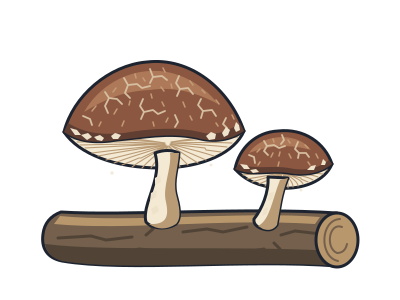
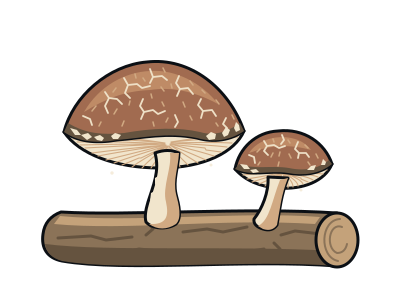
- ShiitakeGrown on logs in East Asia for about a thousand years and now a favourite in kitchens worldwide.
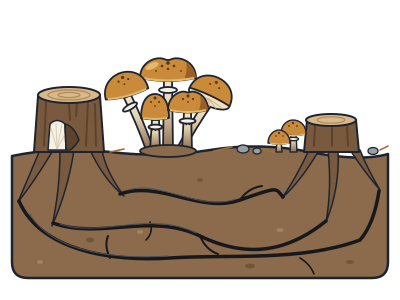
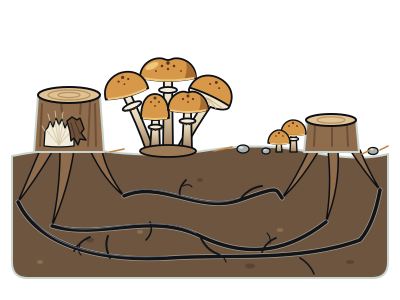
- Dark honey fungusOne underground fungus in Oregon spreads across nearly 10 square kilometres of forest.
- Glowing mushroomTiny mushrooms that glow green at night on forest logs.
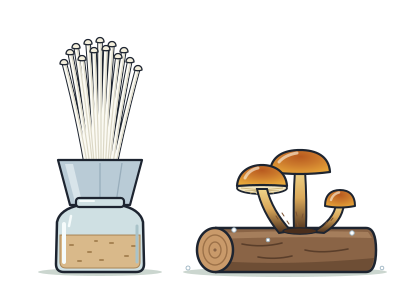
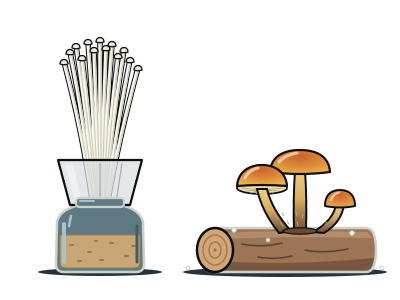
- EnokiGrown in jars in the dark, it becomes long white noodles; in the wild it is a sticky orange winter mushroom.
- Fairy ring champignonGrows in rings on lawns that widen each year; it shrivels in drought and springs back after rain.