A species
Weeping willow
Salix babylonica
Its drooping branches root easily, and willow bark inspired aspirin.
You and the weeping willow meet in the Eukaryotes branch, shown at about 1.8 billion years ago (on 28 July, in a calendar from life's shared ancestor to today).
EukaryotesAmoebas, fungi and animalsFungi and animalsAnimals and their single-celled cousinsAnimalsTwo-sided animalsStarfish, sea squirts and usChordatesVertebratesJawed vertebratesBony fish and their descendantsLobe-finned fishFish on the way to landFour-limbed animalsAmniotesMammals and their ancestorsMammalsLive-bearing mammalsPlacental mammalsPrimates, rodents and rabbitsPrimatesApesGreat apesHumans and chimpanzeesHumanPlants and red algaeGreen plantsLand plants and their algal kinLand plantsVascular plantsFerns and seed plantsSeed plantsFlowering plantsEudicotsRosidsWillows, rubber trees and kinWeeping willow
Its drooping branches root easily, and willow bark inspired aspirin.
The full page for Weeping willow is still being written and drawn.
Next to it on the tree
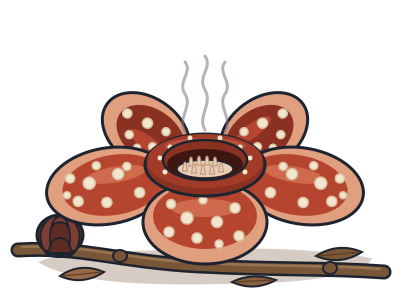
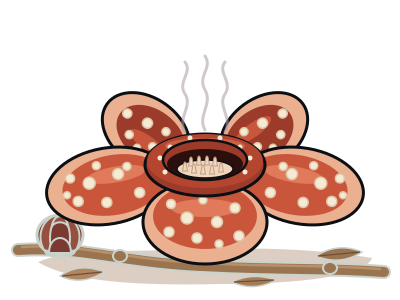
- Corpse lilyThe world's largest single flower, from a parasite with no leaves, stems or roots.
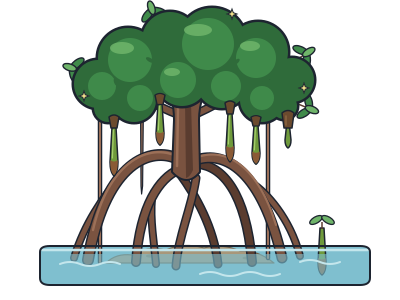
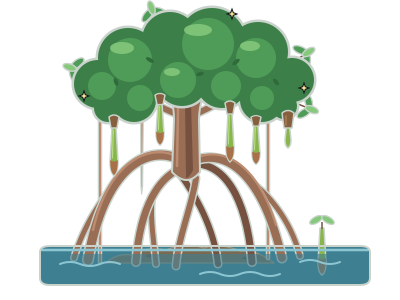
- Red mangroveStands on stilt roots in salt water and drops seedlings that sprout while still on the tree.
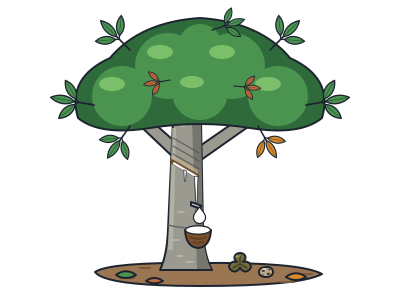
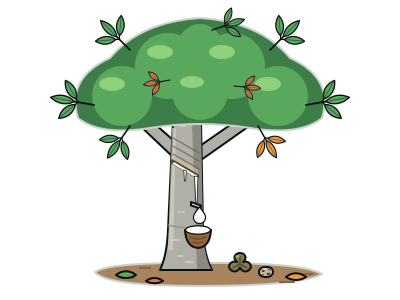
- Rubber treeIts milky sap became the rubber for tyres and balls.
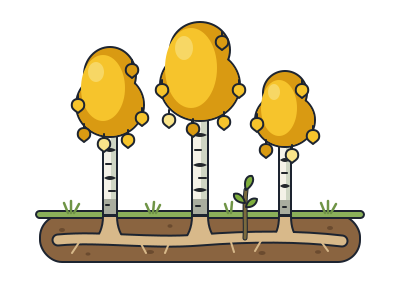
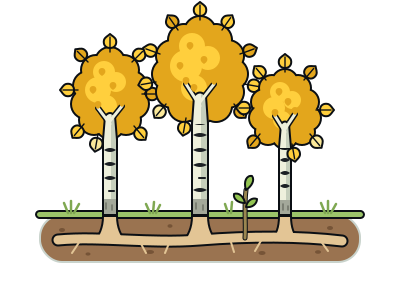
- Quaking aspenOne Utah grove, called Pando, is a single plant with about 47,000 trunks.
- CassavaA starchy root that feeds 800 million people but must be cooked to remove its poison.
- Passion fruitAn elaborate flower whose shape reminded missionaries of a religious story.