A species
Quaking aspen
Populus tremuloides
A whole grove that is secretly one giant living thing
You and the quaking aspen meet in the Eukaryotes branch, shown at about 1.8 billion years ago (on 28 July, in a calendar from life's shared ancestor to today).
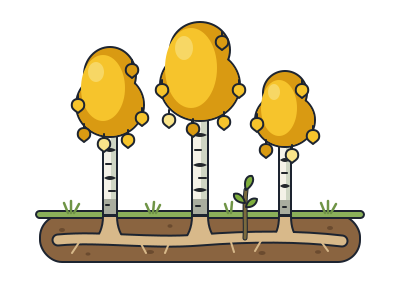
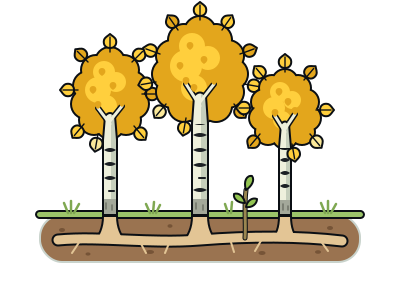
In Utah, a forest of about 47,000 white trunks is really one living thing. It is a quaking aspen called Pando. All its trunks grow from one shared root system and have almost exactly the same genes. Together they cover about 43 hectares, roughly 60 football pitches, and weigh about 6,000 tonnes. That is why Pando is often called the heaviest single living thing on Earth.
Even the oldest of Pando's trunks are only about 120 to 150 years old, but the root system is far older. When a trunk dies, a new shoot pushes up from the roots to replace it. Today deer and elk eat many of these young shoots soon after they appear, so fewer new trunks grow and Pando is slowly shrinking.
Aspen leaves sit on flattened stalks, so they shake in the lightest breeze. That is where the name 'quaking' comes from.
Aspen belongs to the willow family, part of a huge plant group of more than 16,000 species. Its surprising relatives include the rubber tree, the red mangrove and the corpse flower. These plants look so different that scientists needed DNA evidence to show they are related.
Food in winter
Under the white outer bark is a thin green layer that can make food from sunlight. This lets the tree make some food in winter, when it has no leaves.
What's in a name
'Pando' is Latin for 'I spread'. Genetic tests in 2008 showed that the whole grove is a single male plant.
Hungry visitors
Much of Pando is now surrounded by fences about 2.4 metres tall to keep mule deer and elk away from the young shoots.
Next to it on the tree
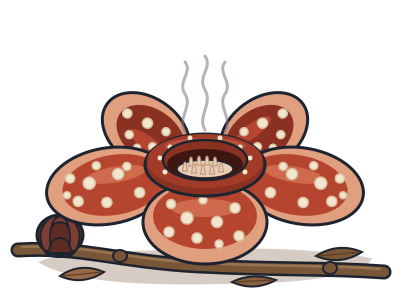
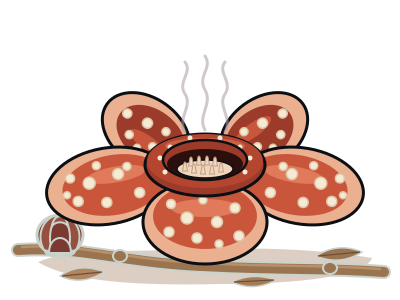
- Corpse lilyThe world's largest single flower, from a parasite with no leaves, stems or roots.
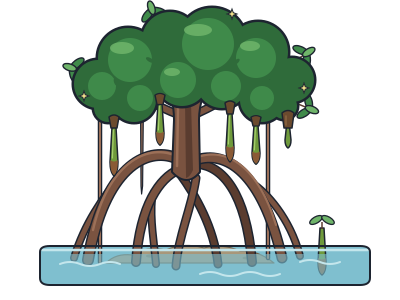
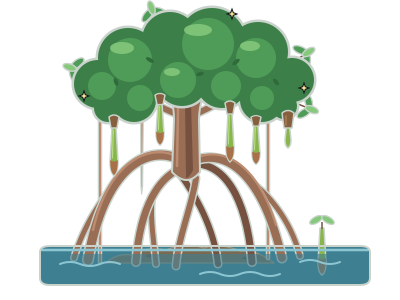
- Red mangroveStands on stilt roots in salt water and drops seedlings that sprout while still on the tree.
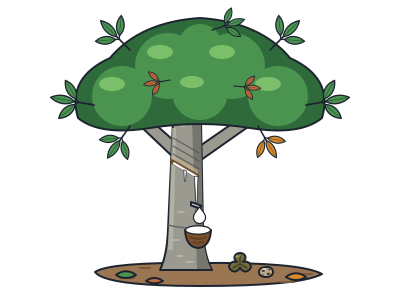
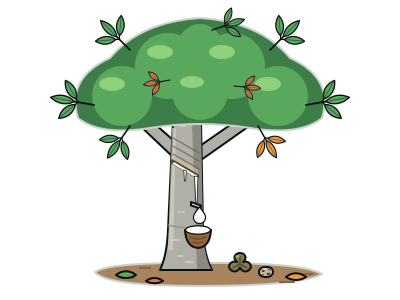
- Rubber treeIts milky sap became the rubber for tyres and balls.
- Weeping willowIts drooping branches root easily, and willow bark inspired aspirin.
- CassavaA starchy root that feeds 800 million people but must be cooked to remove its poison.
- Passion fruitAn elaborate flower whose shape reminded missionaries of a religious story.