A species
Shaggy ink cap
Coprinus comatus
A tall white mushroom that melts into black ink
You and the shaggy ink cap meet in the Fungi and animals branch, shown at about 1.3 billion years ago (on 10 September, in a calendar from life's shared ancestor to today).
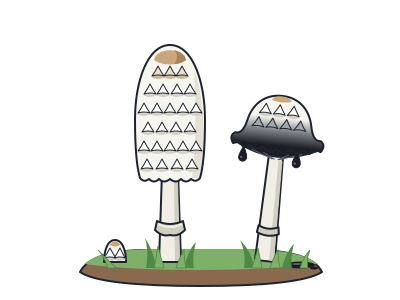
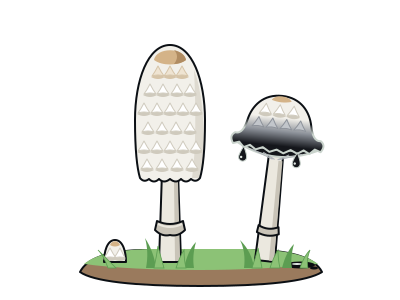
A young shaggy ink cap stands like a tall white egg on a stalk, covered in woolly scales. Once it starts dropping its spores, it can melt within hours. Its gills turn from white to pink to black, then dissolve into a dark, dripping liquid. This works from the edge of the cap inwards until the mushroom has nearly disappeared. In the past, this black liquid is said to have been used as ink for writing.
The melting is not rot. It is a normal part of the mushroom's life: it digests its own cap. Its spores ripen from the bottom of the cap upwards, and the self-digestion helps release them. The black ink is full of spores.
Despite its name, it is not a close relative of the common ink cap. DNA studies showed that the old ink cap group was really split across two families. The shaggy ink cap belongs to the same family as the button mushroom.
Look for it on lawns, in parks and on road verges, usually in small groups. A big one can be about as tall as a school ruler. It is native to Europe and North America and seems to have been brought to Australia and New Zealand.
A worm hunter underground
In lab tests, the fungus's hidden threads stopped about 98% of tiny roundworms moving within 30 minutes. They grow spiky balls that damage the worms' tough skin, and the fungus makes toxins too.
Lawyer's wig
It is also called 'lawyer's wig' and 'shaggy mane'. Its species name comes from the Latin word for hair, meaning hairy or shaggy.
Famous enough for a stamp
In Australia it was common enough to appear on a postage stamp in 1981.
Next to it on the tree
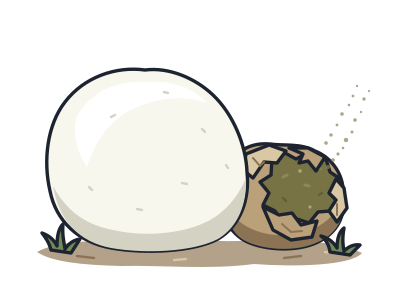
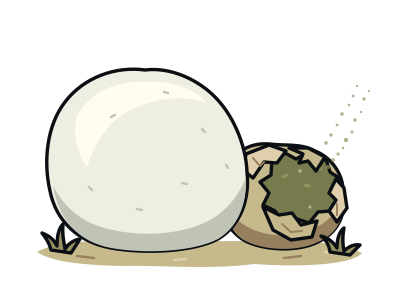
- Giant puffballA white ball as big as a football that can release trillions of spores in a puff.
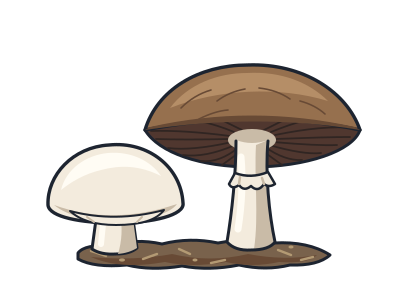
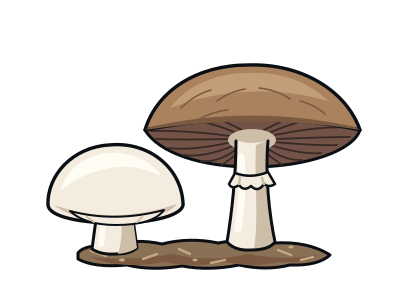
- Button mushroomThe everyday supermarket mushroom; portobellos are the same species grown bigger.
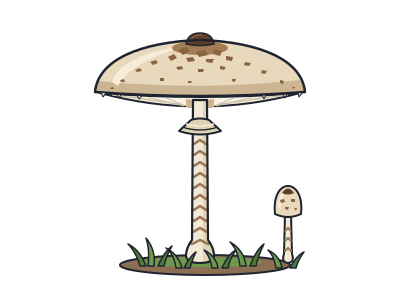
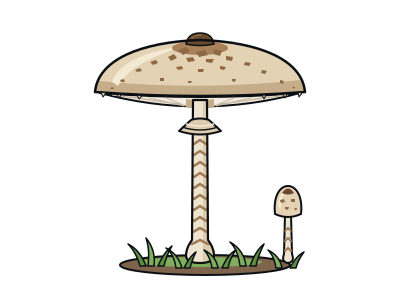
- Parasol mushroomA snakeskin-patterned stem holds up a cap as wide as a dinner plate, like an opened umbrella.
- Leafcutter ant fungusThe crop that leafcutter ants farm underground; it grows on chewed leaves and feeds the whole colony.