A group of living things
Proteobacteria
Pseudomonadota
The most varied bacterial branch, from gut dwellers to squid lights to the kin of our cells' power stations.
This branch is shown at about 2.3 billion years ago; its age is a rough estimate.
You and proteobacteria meet in the All life branch, shown at about 4.2 billion years ago (on 1 January, in a calendar from life's shared ancestor to today).
Few branches of life are as varied as this one. It holds a germ that lives quietly in your gut, the glowing partner of a tiny squid, helpers that feed pea and bean plants, and the closest known relatives of the power stations inside your own cells. Its old name, Proteobacteria, comes from Proteus, a Greek sea god who could change into many forms.
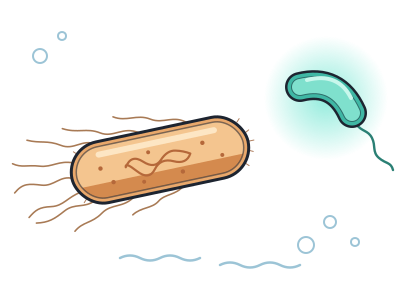
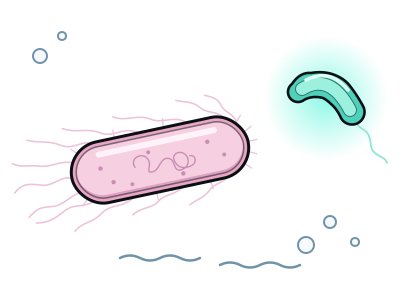
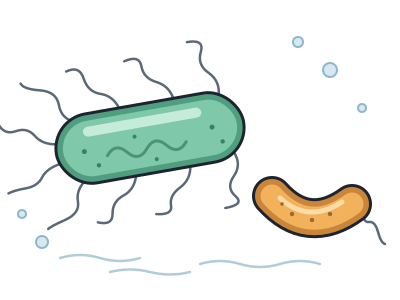
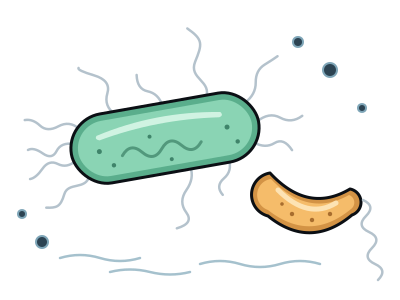
The best-known member is E. coli. It is a rod-shaped cell so small that about 500 laid end to end would only stretch a millimetre. Most strains are harmless gut residents, and some even make vitamin K2 and help keep harmful germs out.
A comma-shaped relative lives inside the Hawaiian bobtail squid. Its soft glow matches the moonlight, which hides the squid's shadow from hunters below as it hunts at night. In the soil, bacteria called rhizobia live in bumps on the roots of peas, beans and soybeans. They turn nitrogen from the air into plant food, and the plant pays them in sugars.
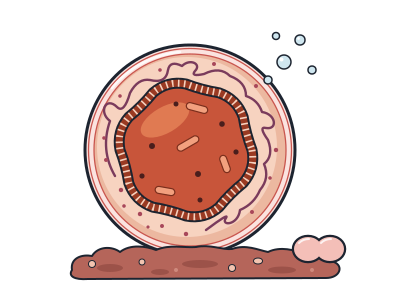
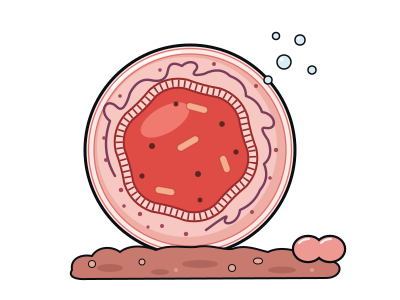
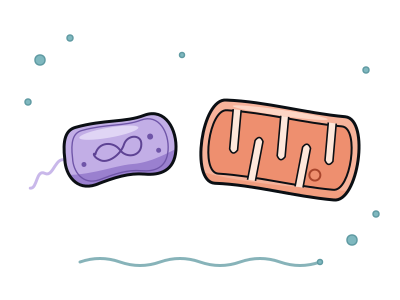
The biggest surprise is inside you. Mitochondria, the tiny power stations in the cells of animals, plants and fungi, are thought to come from an ancient bacterium related to the alphaproteobacteria, one of this group's main branches. Long ago, that bacterium was taken in by another cell and stayed.
Speedy splitter
In good lab conditions, an E. coli cell can divide into two in as little as 20 minutes.
Morning clean-out
Each morning the bobtail squid squirts out about 90% of its glowing bacteria. The ones left behind grow back in time for night.
Science's favourite
E. coli was identified by Theodor Escherich in 1885. It is now the most-studied bacterium in biology, and its full genome was published in 1997.
Inside proteobacteria

Next to it on the tree
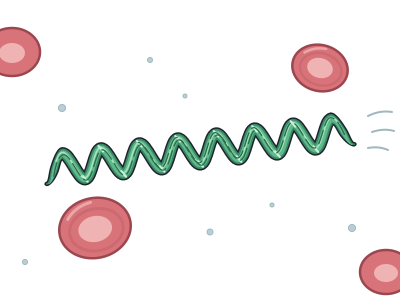
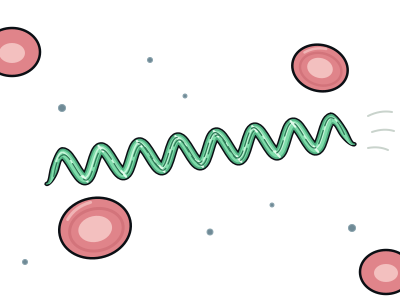
- Lyme disease spirochaeteA corkscrew-shaped bacterium that swims by twisting its whole body; ticks carry it between animals.
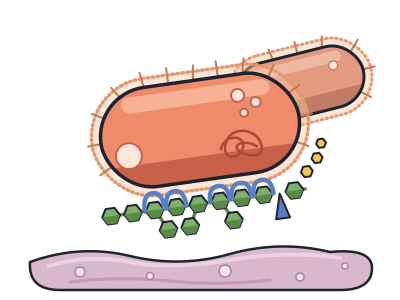
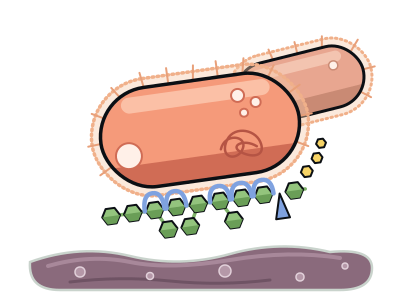
- Gut fibre-digesterA gut regular that breaks down plant fibre we cannot digest and shares the energy with us.
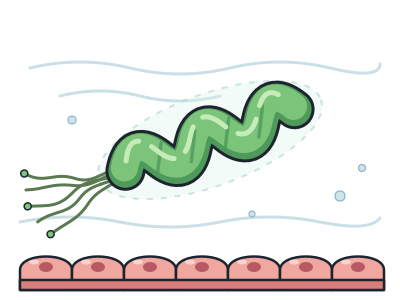
- Stomach ulcer bacteriumLives in the stomach's acid; a doctor drank it to prove it causes ulcers and later won a Nobel Prize.
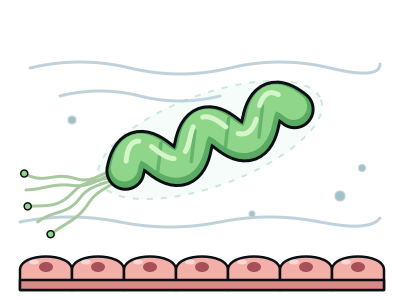
- Wolf-pack bacteriumHunts other microbes in swarms and, when food runs out, gathers by the thousand into tiny fruiting towers.
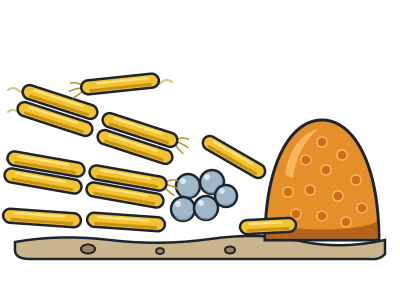
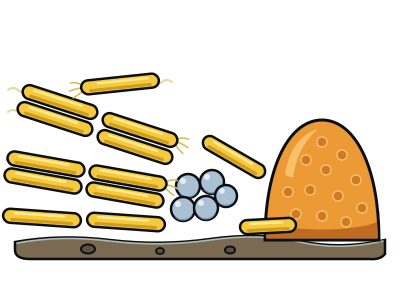
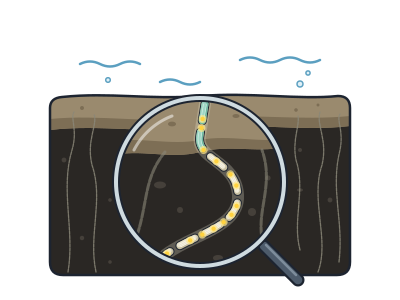
- Cable bacteriumThousands of cells link into centimetre-long living wires that carry electric current through sea mud.
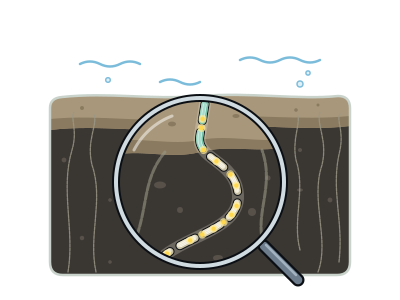
- Mucus-eating gut bacteriumGrazes on the mucus lining your gut, and may help keep that lining healthy and thick.
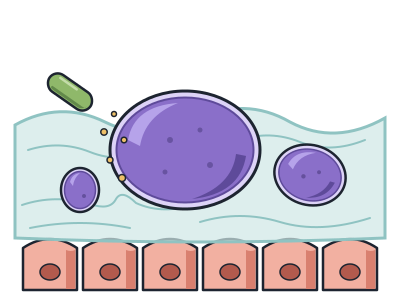
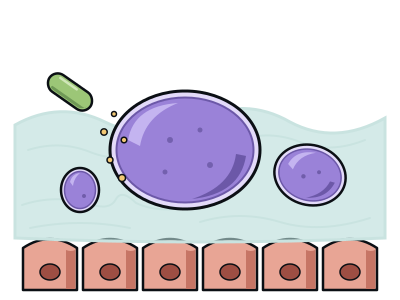
- Rocket-fuel bacteriumMakes hydrazine, a rocket fuel, inside a special compartment, and quietly cleans nitrogen from sewage.